



Stop the Cracks: Getting Brake Pad Curing Right with IR
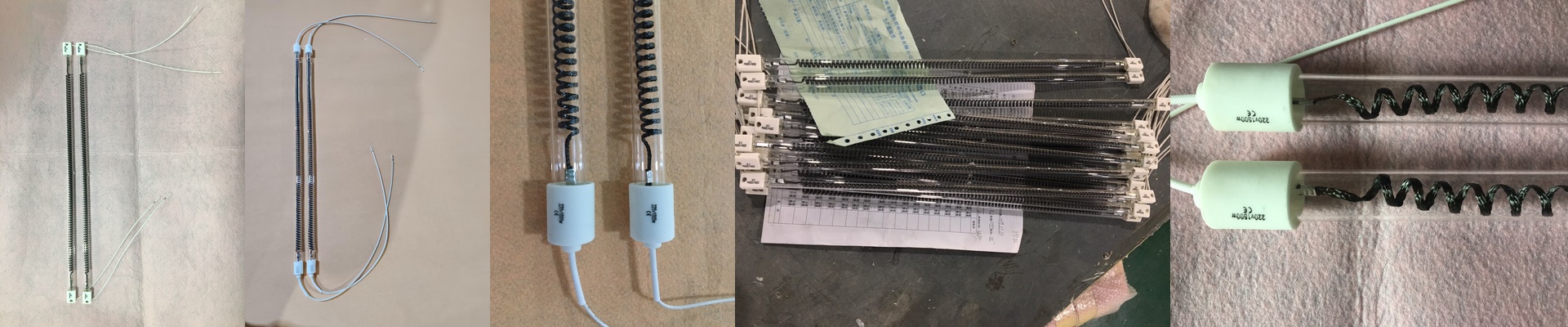
Curing brake pads is a bit of a balancing act. If you crank the heat too fast or hit the surface with uneven radiation, you’re asking for trouble. You get thermal shock. That’s where the nightmares start: surface cracks and internal porosity. Basically, the structural integrity of your friction material just vanishes. We fix this by using precision-tuned infrared (IR) heating. The trick is hitting the core of the pad without torching the outside. The battle against thermal gradients Here’s the thing: you can’t have a massive temperature gap between the surface and the center of the pad. When the outside cures way faster than the inside, the material shrinks unevenly. That tension is exactly why you see those annoying hairline cracks in cheap production runs. We use short-wave IR emitters because they actually dive deep into those organic or semi-metallic binders. By tweaking the wavelength, we make sure the heat soak is steady and uniform. Smart zoning and real-time fixes You can’t just blast heat and hope for the best. You need a zoned array. We split the curing tunnel into several independent IR banks. This lets you dial in the heat profile at every single stage of the conveyor. Plus, we pair these emitters with high-speed pyrometers for a constant feedback loop. If the surface temp spikes? The system throttles the power in milliseconds. It stops the binder from off-gassing too violently, which is usually what causes those tiny holes—the porosity—inside the pad. The reality of the trade-offs Now, there’s a catch. High-density IR arrays move things along quickly, but they put a lot of stress on your electrical switchgear. You’ll want to make sure your PID controllers can handle the rapid switching without frying the relays. And keep in mind, if you want tighter temperature tolerances, you’ll probably have to slow down the conveyor. You’re trading a bit of speed for a zero-defect rate. But honestly? It’s a trade worth making. It’s the only way to be sure those pads won’t fail when someone slams on the brakes.