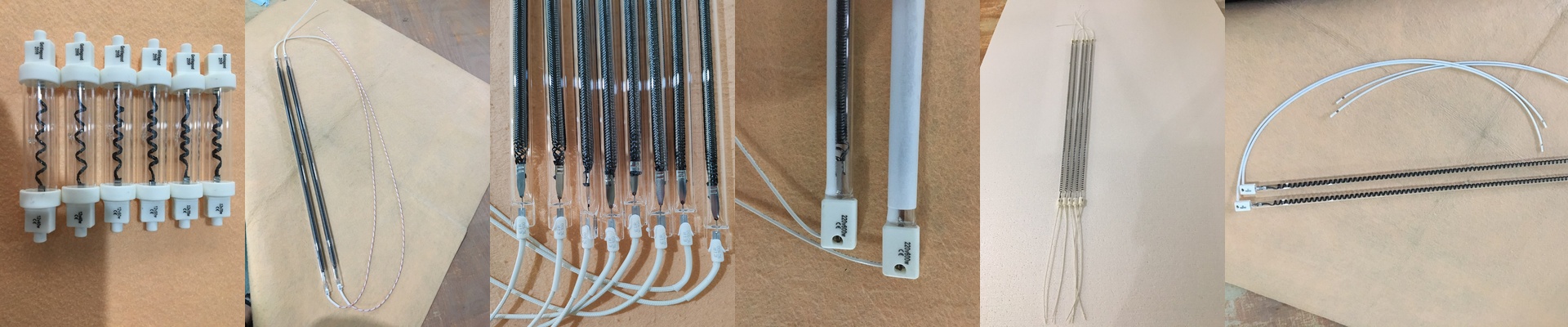
Introduction
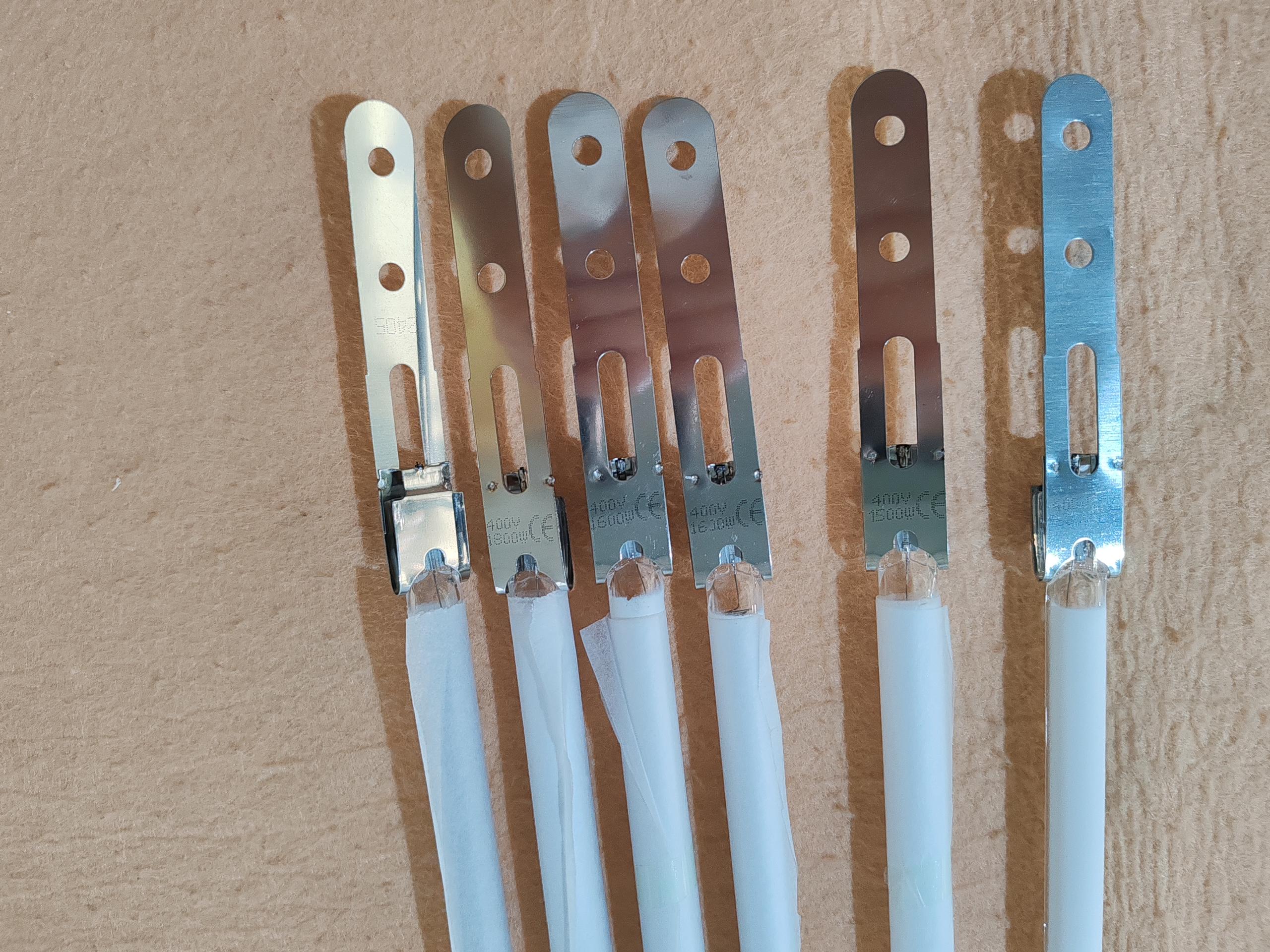
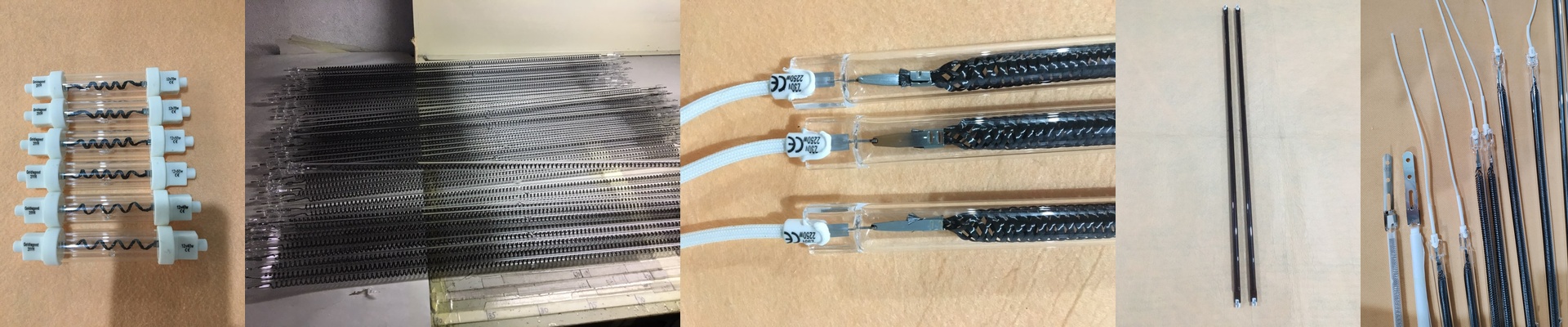
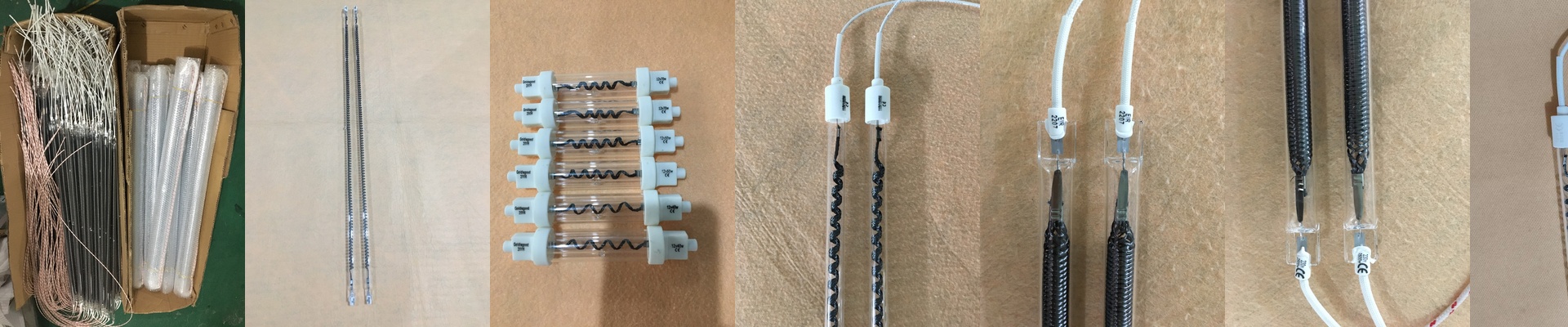
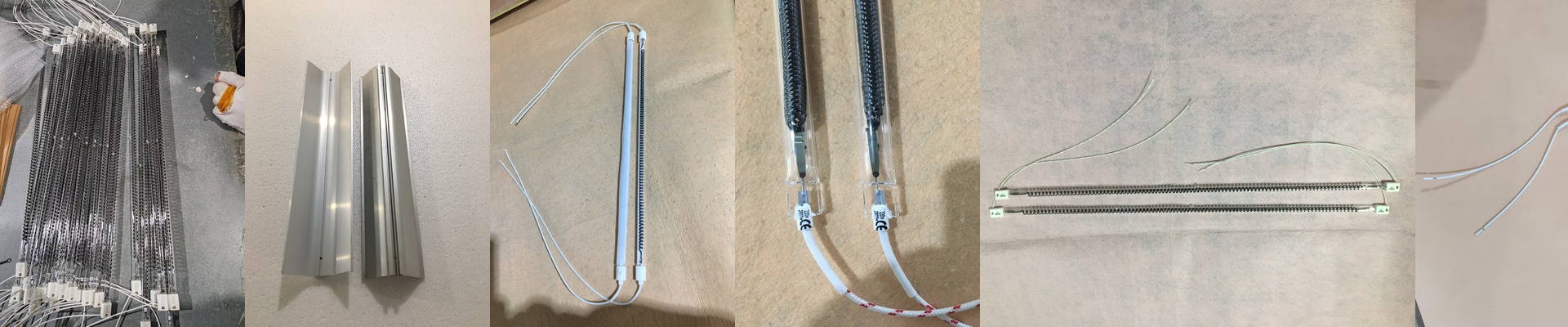
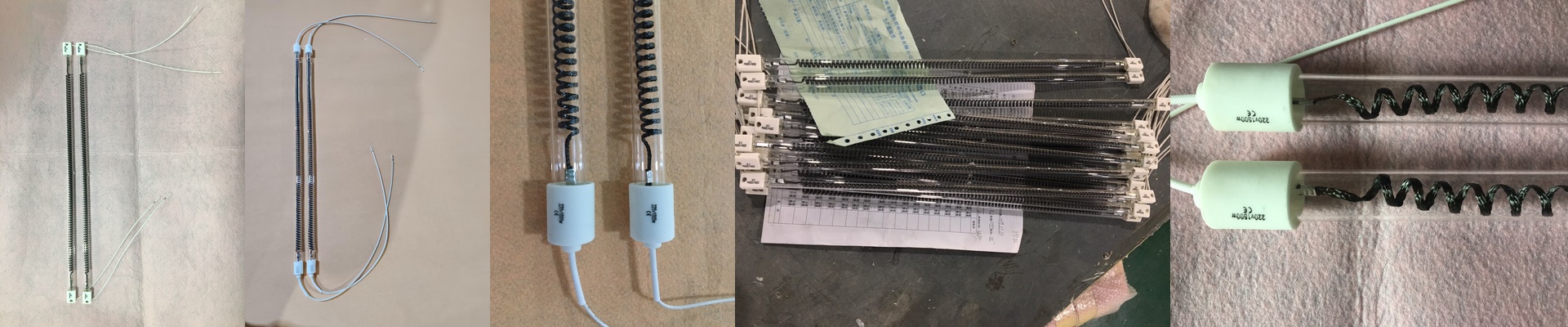
We built this Carbon Fiber Infrared Heat Bulb for engineers who need heat they can count on—especially when space is tight. It’s a shortwave infrared emitter, designed to give you fast, focused energy when your process demands a quick temperature jump and steady control. No drama. Just predictable heat, right where you need it.
Power, Voltage, and Size—Let’s Get Real
Here’s the core: a 300mm tube, 2500W of output, and 400V operation. That combo isn’t random. Packing 2500W into a 300mm space gives you serious heat density. The payoff? Lightning-fast ramp-up in tight zones—perfect for localized heating or processes that need heat in a straight line. The 400V rating is a deliberate choice for certain electrical setups. It lets you run the lamp on higher-voltage circuits, which can lower the current on your feeder wiring. In some installs, that means you can use smaller gauge cable. But it also means the control panel needs to be on point—contactors and insulation have to be rated for it.
What’s Inside—and Why It Matters
The filament uses carbon fiber inside a halogen cycle. The halogen gas helps protect the filament by putting evaporated material back where it belongs. That keeps output consistent over the life of the lamp and helps it handle repeated heating and cooling without burning out on you. The tube itself is quartz—because it can take thermal shock without cracking, and it transmits infrared really well. We added a reflector coating on the back half to push more energy forward, so more of the heat actually lands on your target. For the connections, we went with R7s. This double-ended connector gives you a secure, aligned mount that can handle the wattage, and it makes the lamp a simple drop-in replacement in standard fixtures. It stays stable even when vibration and thermal expansion are doing their thing.
Where It Shines—and What to Keep in Mind
This setup is built for real industrial work: PET blowing, plastic thermoforming, adhesive curing, coating drying. Shortwave infrared hits surfaces fast, without turning the whole machine frame into a sauna. The compact size plus the R7s interface makes integration straightforward—less rework, fewer alignment headaches, quicker changeovers. But there’s a trade-off: that high heat density means you’ve got to plan for cooling and keep things thermally separated. Size your heat shielding and airflow with the same care you put into sizing the lamp.