Introduction
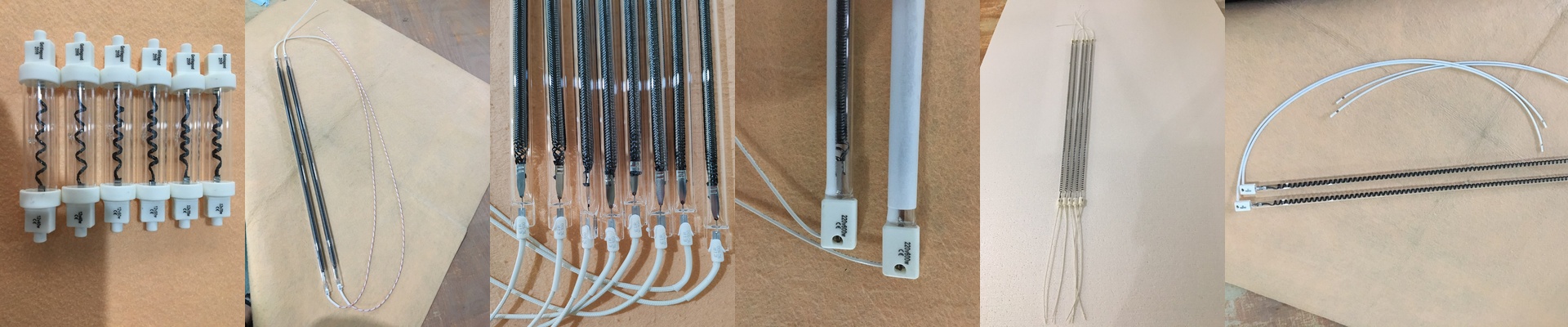
We build carbon heating lamps for the industrial floor, where thermal response time and concentrated energy density are non-negotiable. This is not a comfort heater; it is a shortwave infrared emitter designed to deliver rapid, focused heat into tight spaces on machines and production lines. If you need heat that turns on fast and hits a target hard, this lamp spec is built around that requirement.
Technical Deep-Dive: Power, Voltage, and Dimensions
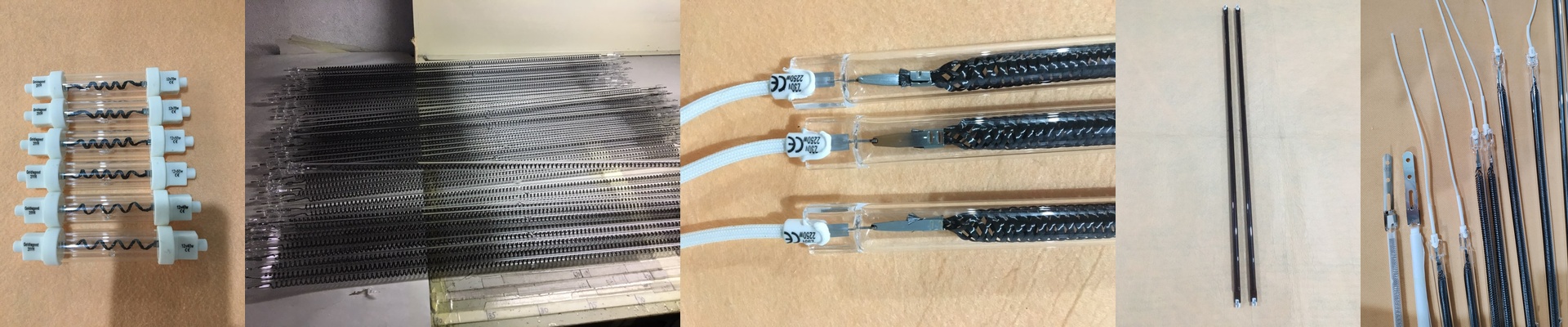
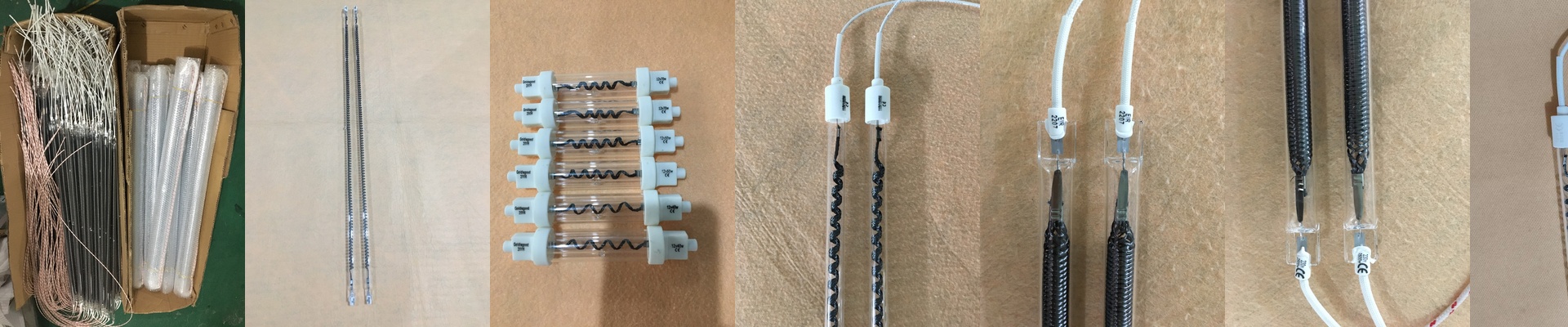
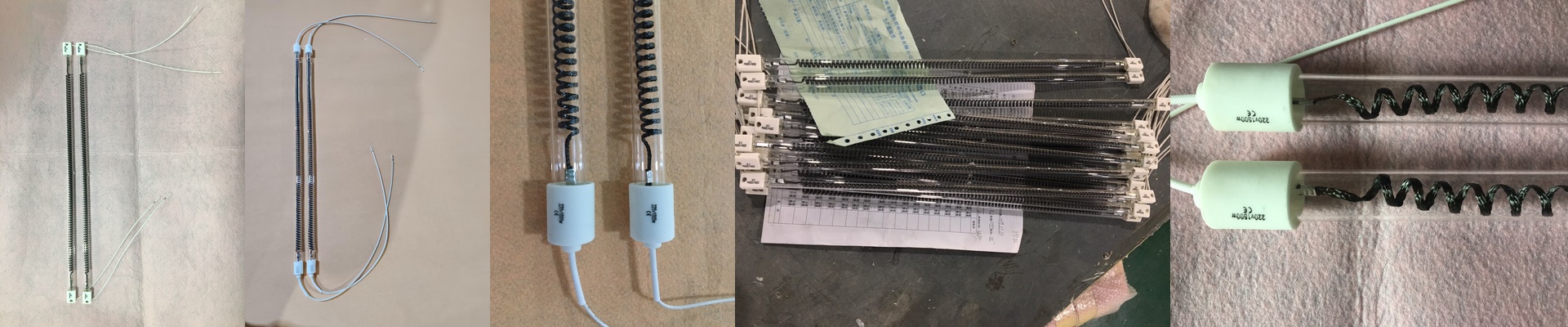
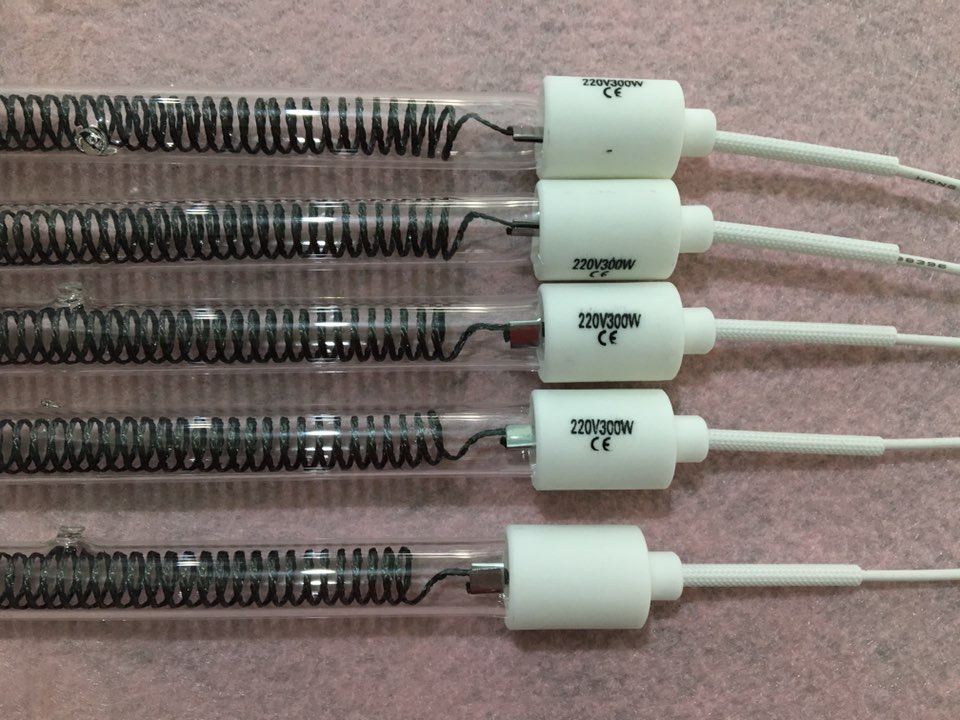
Carbon heating lamps are engineered around a compact, high-intensity envelope. A 300mm tube length keeps the radiating element short, so you can fit the heat source into crowded machine frames without redesigning the whole assembly. That small footprint is only useful if the power density is high, which is why these lamps are commonly rated at 2500W. At that wattage, you get a lot of heat from a small component, but it also dictates the electrical setup. These lamps are often specified at 400V. This higher voltage reduces current for a given power, which helps keep conductor size and connection stress manageable in industrial wiring. It also means the lamp is intended for dedicated circuits, not general-purpose outlets. Wattage and voltage together set the thermal output and the electrical interface, so you plan the lamp, the control gear, and the wiring as a single system.
Material and Design: Halogen, Quartz, Coating, and Connectors
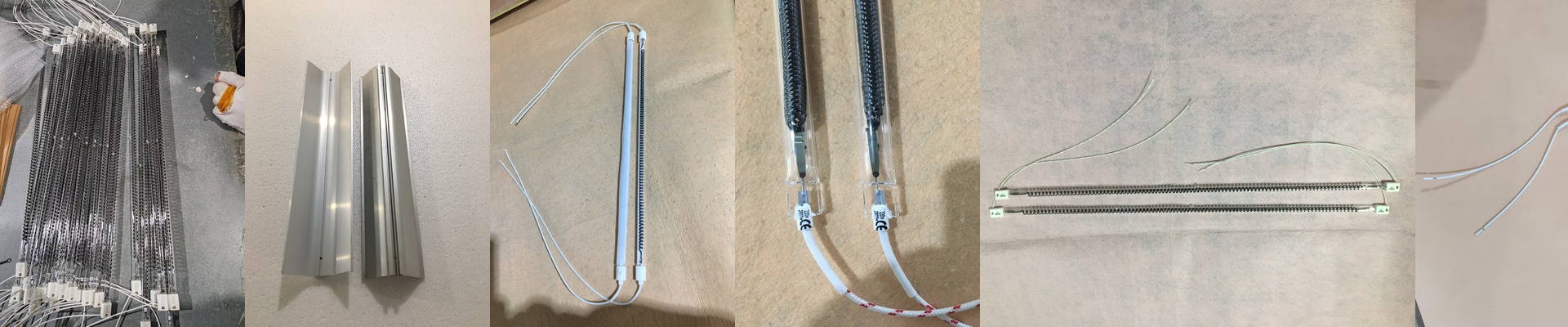
The core of the lamp is a carbon filament housed in a quartz envelope. Quartz withstands the thermal shock of rapid on/off cycling and transmits the infrared energy effectively. The halogen cycle is key: it keeps the filament stable by redepositing evaporated material, which supports consistent output over the life of the lamp and reduces blackening that would otherwise lower performance. Many versions use a reflector coating on the inner surface to direct more infrared energy forward. That coating increases the usable power at the target and reduces wasted heat sideways. The trade-off is mechanical care—reflector coatings are effective, but they can be sensitive to contamination, so handling and clean mounting matter. For termination, R7s is the standard connector choice. It is a double-ended, straight-pin design that locks into ceramic sockets, providing a solid mechanical hold and a reliable electrical path. R7s simplifies installation and replacement, and it is widely supported in industrial heater fixtures. If your machine spec calls for Sk15, that is a different pin spacing and mounting geometry, and you must match the socket precisely.
Application and Benefits: Targeted Heat for Production
Carbon heating lamps excel where you need fast, localized heat. In plastic processing, they are often used for pre-heating and maintaining temperature on tooling and parisons. The shortwave infrared output penetrates quickly, reducing the time spent waiting for thermal mass to come up to temperature. That translates into shorter cycle times and tighter control over heating zones. The lamp’s design also supports easy integration. The compact tube and standard connectors allow a drop-in replacement in many existing fixtures, so you can upgrade performance without overhauling the machine. The reality check is thermal management. A 2500W lamp concentrated in a short tube produces significant heat density. Your machine must be designed to handle the radiant load and the resulting ambient rise. Plan for proper shielding, airflow, and socket cooling to keep the fixture and wiring within safe operating limits. Match the lamp to the process, and it delivers predictable, repeatable heat where you need it most.