
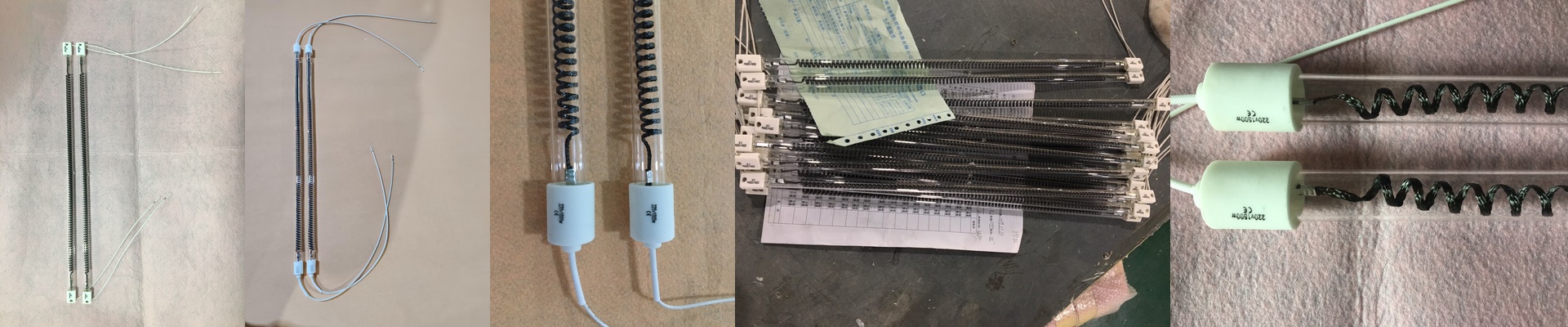


Meet the 600mm 220V 1000W Carbon Fiber Infrared Heating Tube
This isn’t just another industrial heater. It’s a focused workhorse, built for one thing: getting the job done fast. Think of it as the reliable friend you call when you need serious heat, right now, and you can’t afford to wait around.
Let’s talk about the power under the hood
We’re talking 1000 watts packed into a 600mm tube. That’s a serious amount of heat concentrated in a small space. It’s designed to give you a powerful, focused blast of heat without taking up a ton of real estate on your machine. And the 220V rating? That’s a huge win. It plugs straight into standard industrial power. No need for extra transformers, no messing around with complex electrical setups. It just works, which means more room in your cabinet and less headache for you.
The secret sauce: carbon fiber
Forget the old-school wire coils. The heart of this tube is a carbon fiber heating element. And that makes a huge difference. Because carbon fiber has a low thermal mass, it heats up almost instantly. We’re talking about a speed that can seriously cut down your cycle times. It’s wrapped in a tough quartz envelope, which is brilliant for throwing out that powerful infrared heat and can handle the shock of heating up and cooling down again and again. Plus, the whole thing is built to be a simple, drop-in replacement. It’s designed to fit right into your existing setup and make a secure connection that can handle the vibration and heat of a busy shop floor.
Where it shines (and what to watch for)
This tube is your go-to for spot heating, drying, and curing. The carbon fiber element throws out a broad spectrum of infrared heat that really gets into the material. It makes heating plastics, adhesives, and coatings feel effortless. With 1000 watts on tap, it can handle medium-sized parts without straining your circuit. But here’s the thing to keep in mind. It runs hot. Like, really hot. That concentrated power means the surrounding area gets warm, too. So you need to make sure the components nearby can handle the heat. A little planning for shielding and airflow goes a long way to protect your sensors and wiring. It’s built to perform, but it asks for a bit of thoughtful planning in return.