

Why Inkjet Printers Need a Heat Lamp That’s Built Just for Them
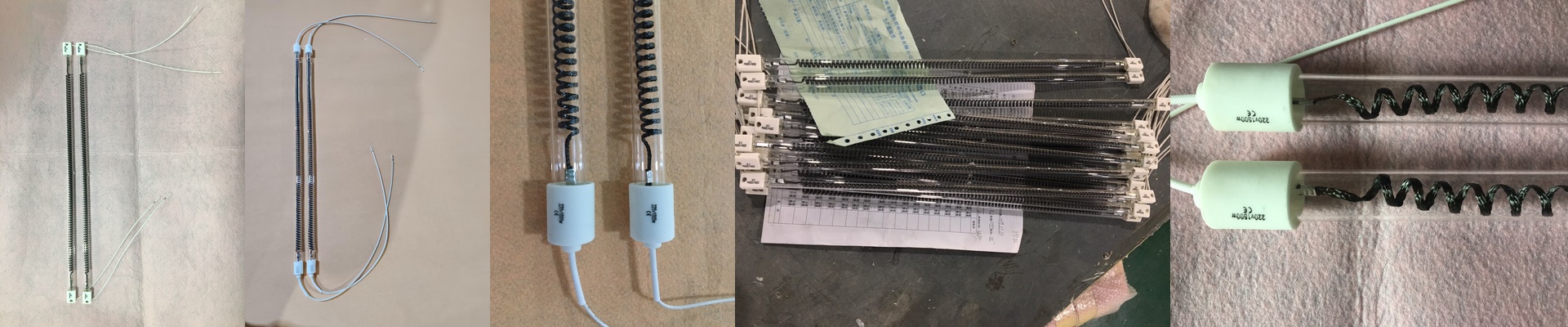
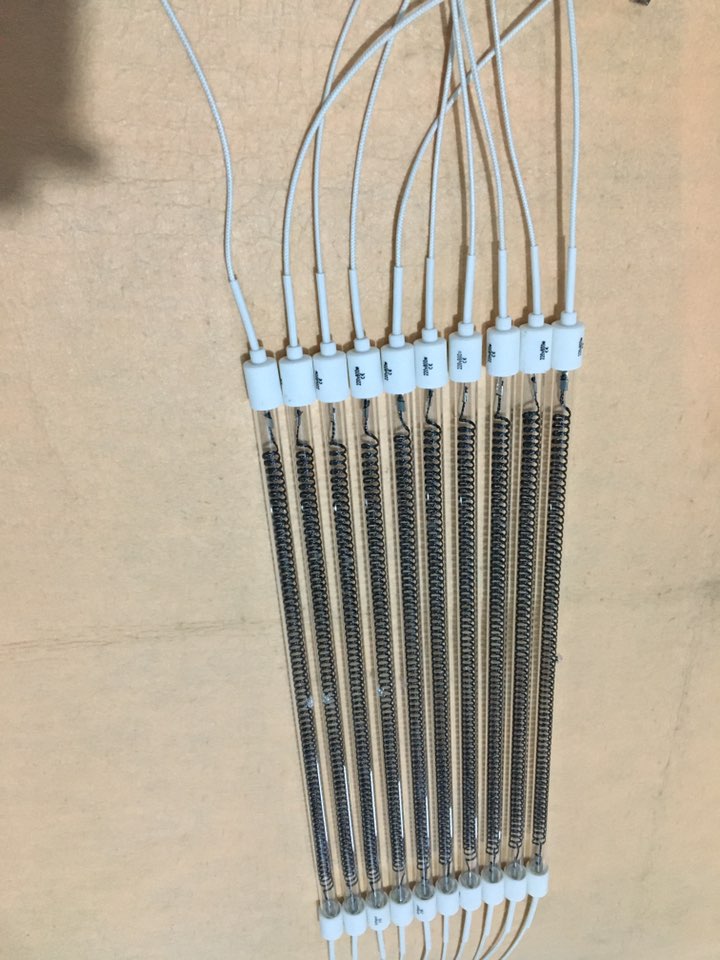
Here’s the thing about inkjet printers: they need a dryer that’s just as fast as they are. We built this carbon fiber halogen lamp for one job—flash-dry the ink without scorching the paper or whatever you’re printing on. And that takes serious control over heat. Standard heaters just can’t keep up. They’re too slow, and they don’t pack the punch needed when your press is running at full speed. So we gave this lamp a shortwave infrared profile, a carbon fiber filament, and a tough quartz envelope. The result? It hits the mark every time.
The Power Behind the Heat: Voltage, Wattage, and Size
We spec’d this lamp to deliver serious heat in a small space. You’re typically looking at 400 volts and 2500 watts. That combo gives you a rapid temperature spike—perfect for the quick bursts ink drying demands. The tube is 300mm long, which lines up with standard drying zones. That gives you even coverage across the print path without having to redesign the whole housing. Because the wattage density is high, the lamp is meant for short bursts. It ramps up fast, and it shuts down fast. That’s exactly what inkjet drying calls for. And that 400V setup? It pulls less current than low-voltage alternatives. That means you can use thinner wiring and not worry about voltage dropping over long cable runs. But here’s the trade-off: a 2500W, 400V lamp runs hot. Seriously hot. So your machine needs solid airflow or active cooling. If you don’t manage the heat, you risk thermal runaway inside the reflector cavity.
What’s Inside: Carbon Fiber and a R7s Base
The carbon fiber filament lives inside a quartz tube for a reason. Quartz handles sudden temperature changes without cracking, so it stays steady even when you power the lamp on and off again and again. The shortwave halogen profile focuses the energy right where you need it—on the surface. That means solvents evaporate quickly, but the substrate stays safe. We went with an R7s connector because it’s proven, compact, and secure. It handles the heat at the ends of the tube, keeps the connection solid, and makes swapping out the lamp a simple drop-in job. And the carbon fiber build? It resists sagging and breakage from vibration. So even on a press that’s humming along all day, this lamp can take the pounding.
What It Feels Like to Run This Lamp
In inkjet printing, you need heat where it matters—and nowhere else. This lamp gives you pinpoint, high-intensity drying that sets the ink fast, cuts down on smudging, and keeps your line speed high. The fast response time means the lamp keeps up with job changes without long warm-up or cool-down waits. Installation is straightforward. Wire it up with the R7s base, set the distance to the substrate, and dial in the power. You get a lot of heat in a small footprint, but you do need to plan your cooling and shielding. Do it right, and you’ll get consistent drying with fewer surprise stops. But remember: that concentrated heat that dries ink so quickly needs careful thermal management. If the reflector and nearby electronics can’t shed that heat, you’ll shorten the life of the components. Plan your heat path, or you’ll be planning for downtime.