Introduction
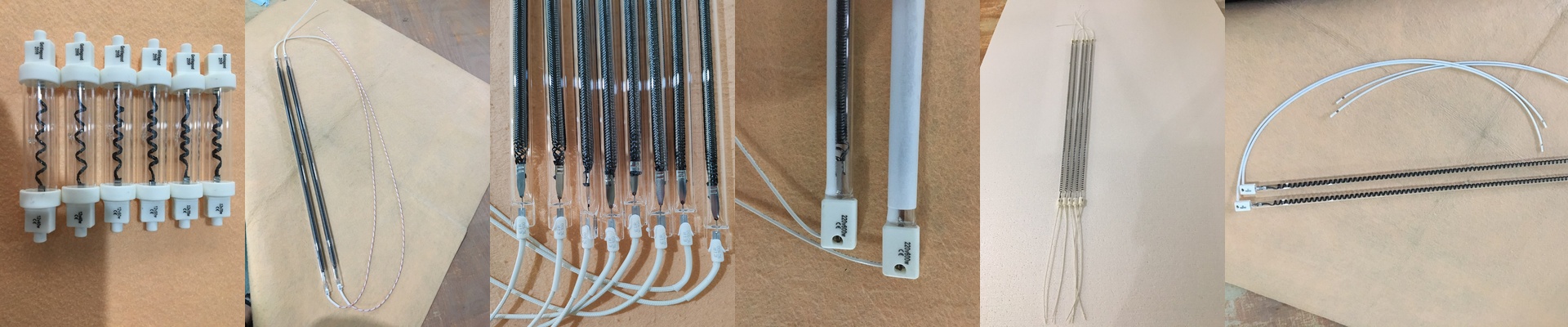
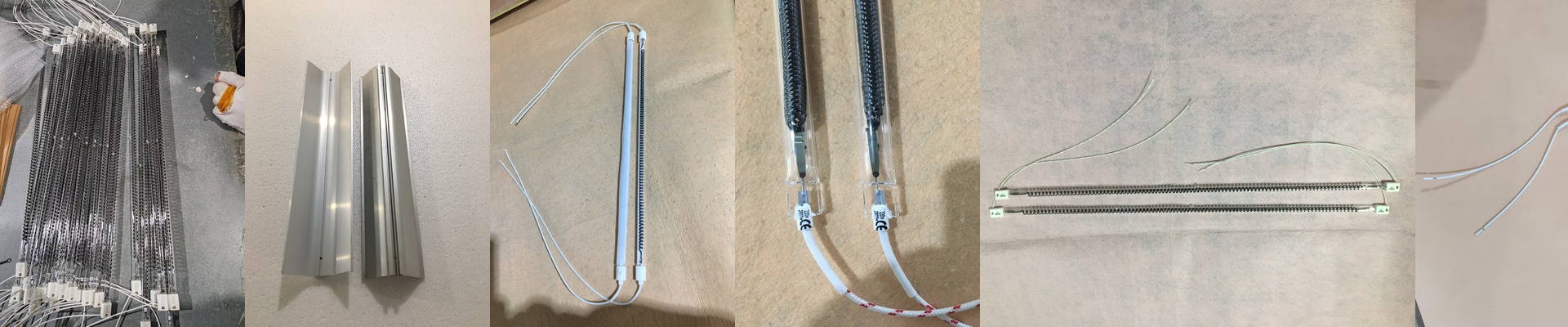
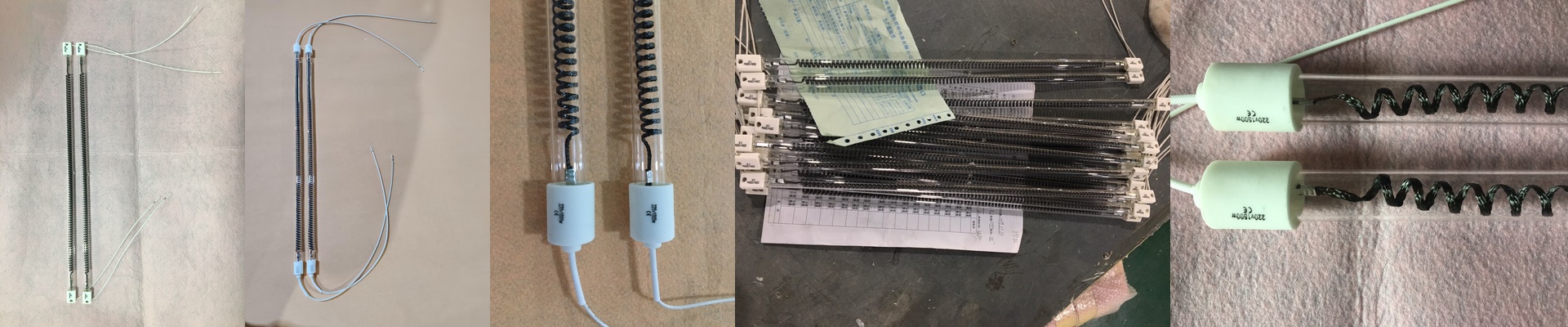
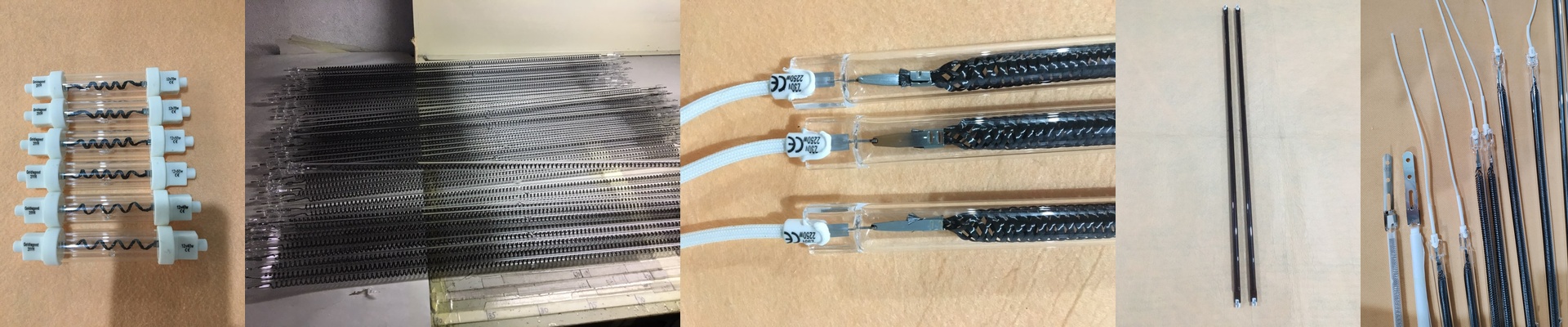
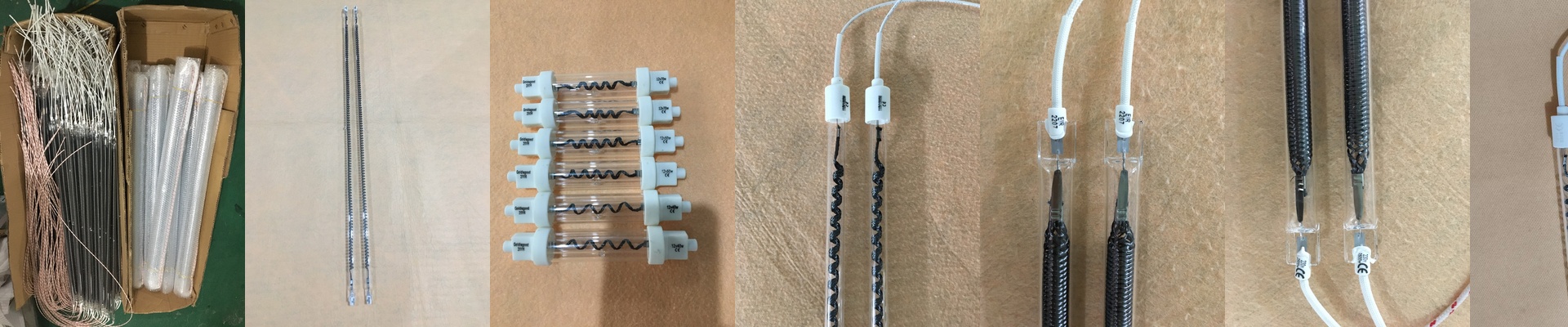
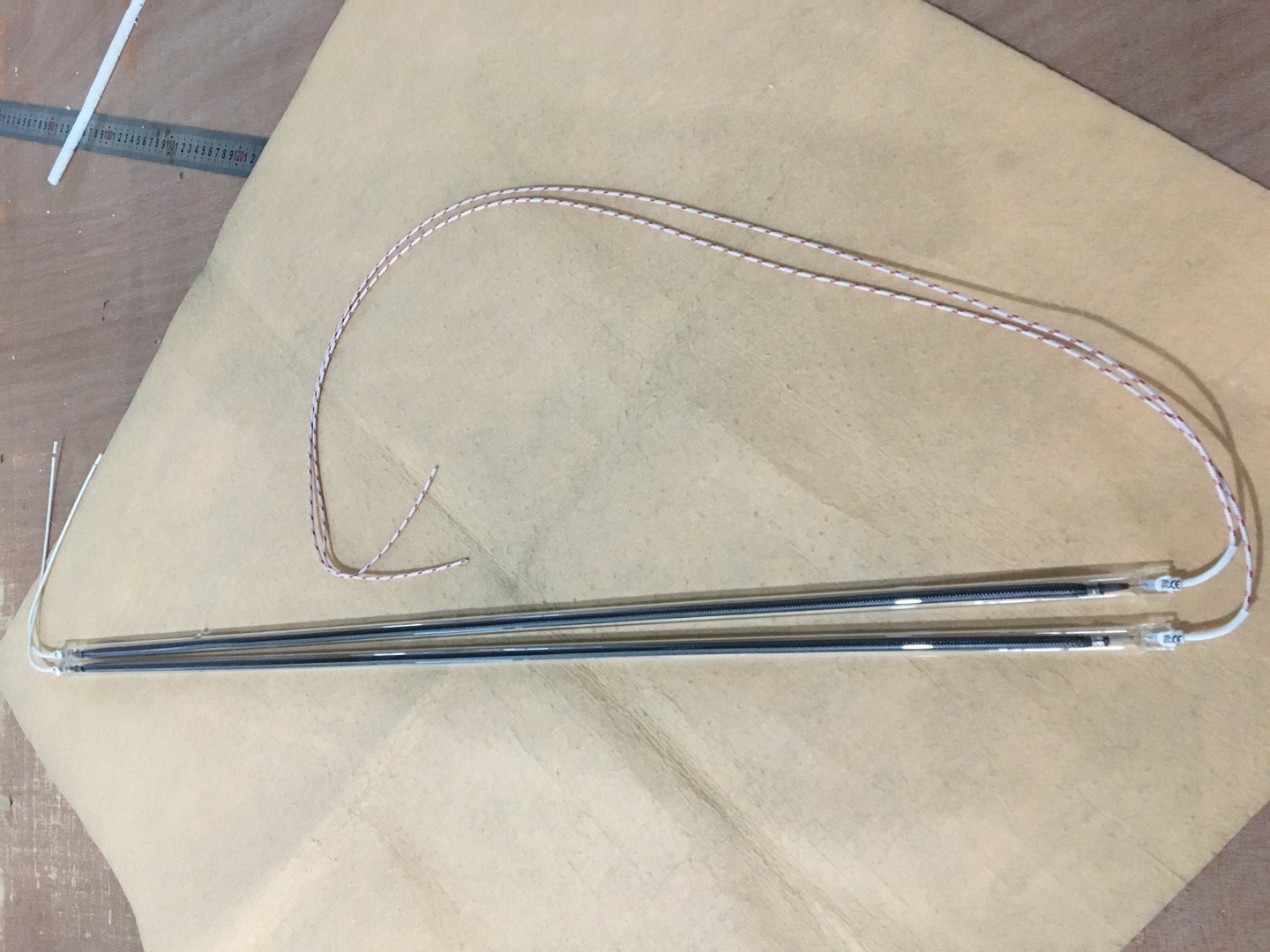
We build these infrared heating lamps for the real world—out on the shop floor, not sitting pretty in some showroom. They come in 1000W, 1500W, and 1600W models, all wrapped in quartz glass and designed to throw heat exactly where you need it. The beauty is, you can match the wattage to the job without having to overhaul your entire electrical setup.
Power, Voltage, and Size: What Matters on the Floor
These are high-power lamps, plain and simple. You pick the wattage that fits your process, and it delivers the heat. Because the quartz glass tube is so compact, you get a ton of heat in a small footprint. Size and voltage are chosen to match the job. You wire it to your control panel, use what you’ve got, then set the distance to the target. It’s fast. Really fast. But that speed means your machine’s cooling and thermal management need to be ready for it. Plan for it, and you’re golden.
Built to Take the Heat: Quartz, Carbon Fiber, and Connectors
The quartz glass tube handles the extreme temperatures and keeps the infrared light flowing steady. Inside, the carbon fiber heating element spreads the heat evenly and holds its resistance over time. That means you get the same reliable performance, cycle after cycle. And the connectors? They matter. We use R7s and Sk15 terminations because they’re built for industrial life. They give you a solid connection, easy wiring, and can take the rough handling of maintenance and quick swap-outs.
Where They Shine: Real-World Use and What You Get
These lamps are made for the tough stuff—plastics processing, curing, drying, thermal forming. The kind of work where you need heat on demand, right where you point it. The combo of carbon fiber, quartz, and high wattage gives you a drop-in replacement that fits right into your existing fixtures. You get a clean install, predictable temperature control, and a part you can swap out fast to keep the line moving. Now, there is a trade-off. More power means you need proper clearances and a controlled environment. But if you plan your mounting, airflow, and electrical layout up front, the lamp just works. It does what it’s supposed to do, without fuss.