Introduction
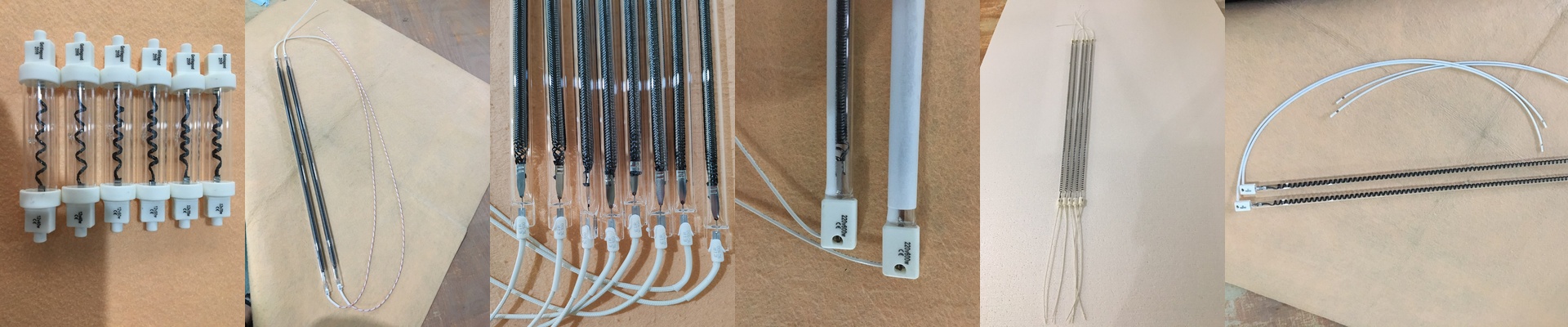
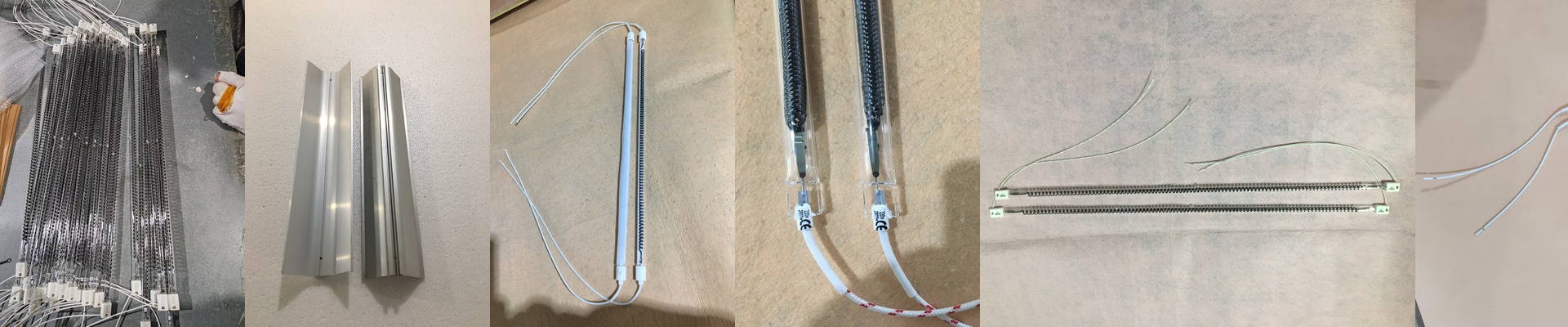
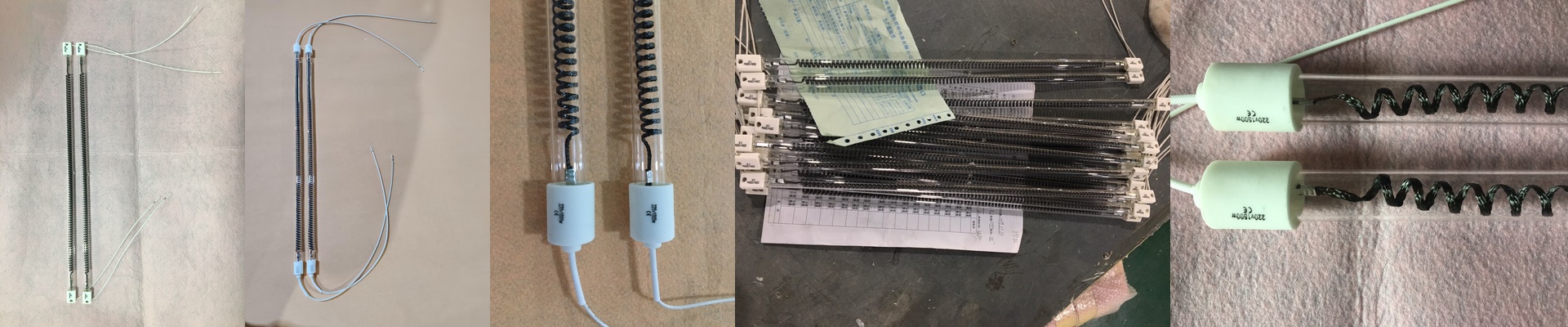
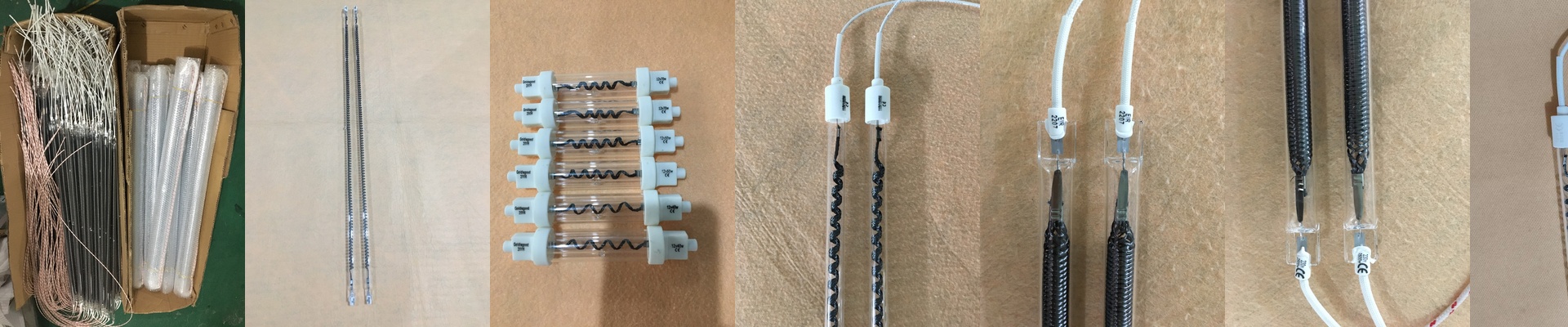
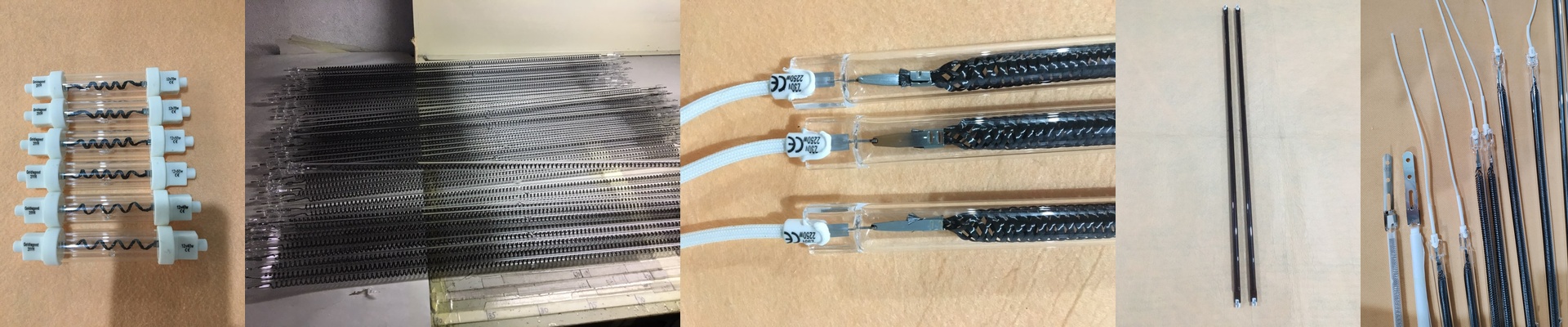
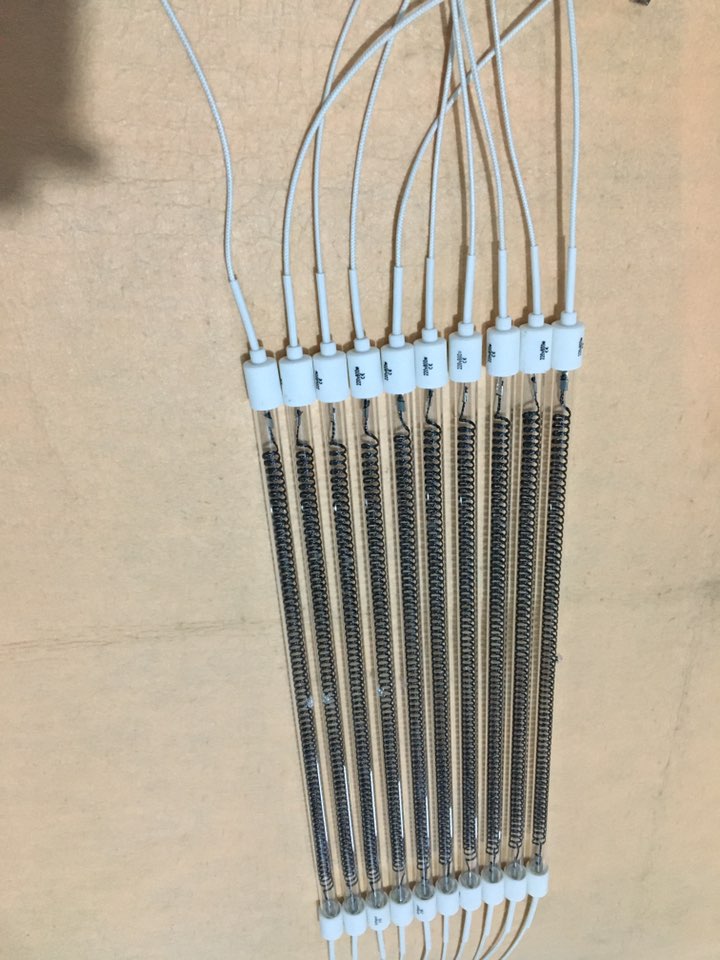
We built this 600mm, 1300W carbon fiber quartz heater for one reason: to give industrial processes a heat source that’s fast, steady, and fits into tight spaces. It’s not a do-everything lamp. It’s a focused tool, made for the factory floor, where you need infrared heat that behaves the same way—every single time.
Technical Deep-Dive: Power, Voltage, and Geometry
The headline is simple: 1300W packed into a 600mm tube. That length-to-power ratio gives you a consistent watt density along the emitting surface. In practice, that means when you set a heating window, the temperature curve holds steady instead of drifting all over the place. Voltage matters, too. This unit is designed around a specific input, and that isn’t optional. If the voltage is too low, the heater feels sluggish and doesn’t hit full output. If it’s too high, you shorten the element life and put stress on the quartz envelope. And the 600mm length? It gives you a usable heating zone while still slipping into machine bays where space is at a premium.
Material & Design: Carbon Fiber, Quartz, and Termination
Inside the quartz envelope sits a carbon fiber heating element—because the pairing just makes sense. Quartz can handle rapid heating and cooling cycles without cracking the way some glass does, and it stays stable even at high operating temperatures. Carbon fiber, for its part, gives you even resistance and even heat distribution, so you don’t get hot spots that can burn a heater out early. The connectors are chosen for real-world work, too. They wire up quickly, stay tight when the machine is vibrating, and carry the current without overheating. This isn’t a fragile prototype. It’s a drop-in component built to take a beating.
Application & Benefits: Heat on Demand, Built to Last
This heater shines when you need heat fast—preheating molds, drying coatings, curing adhesives, or holding process temperatures on packaging lines. With infrared, the heat goes straight to the target. That means less wasted energy heating air, and more energy actually doing the job. But here’s the reality check: 1300W is serious heat density. Your mounting, ventilation, and thermal protection have to be properly set up. If they aren’t, you risk overheating nearby components and cutting the service life short. When everything is matched correctly, you get heat-up that’s predictable, running temperatures that stay stable, and a component you can swap in quickly to keep the line moving.