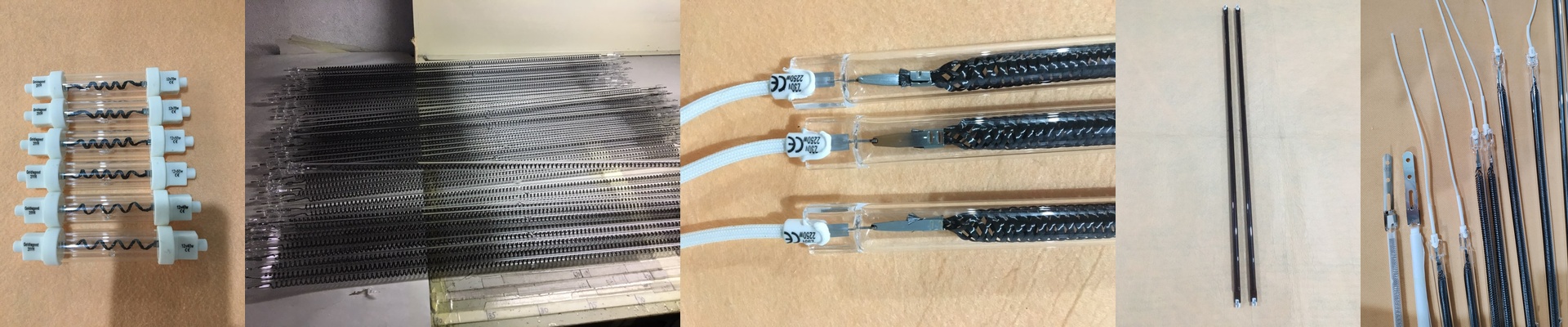
Carbon Fiber Infrared Heaters: Packing Serious Heat Where You Need It
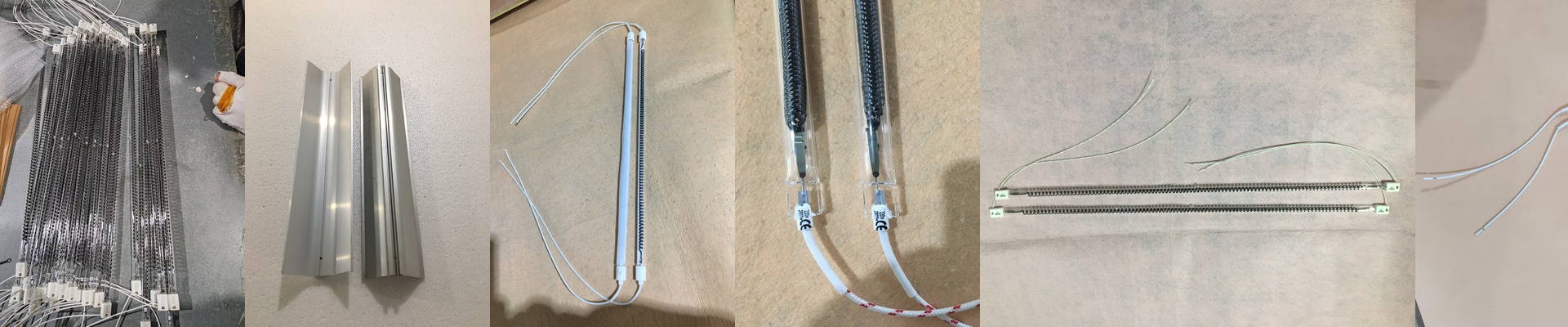
Let’s talk about a heat source for the engineers out there who are constantly fighting for space. You know the drill—those tight spots on the production line where you just need a powerful, focused burst of heat, and you need it fast. That’s exactly what these carbon fiber infrared heaters are built for. They’re compact, they’re intense, and they’re perfect for jobs like PET blowing, plastic welding, or drying lines where every inch counts and a slow response just isn’t an option.
The Specs, Plain and Simple
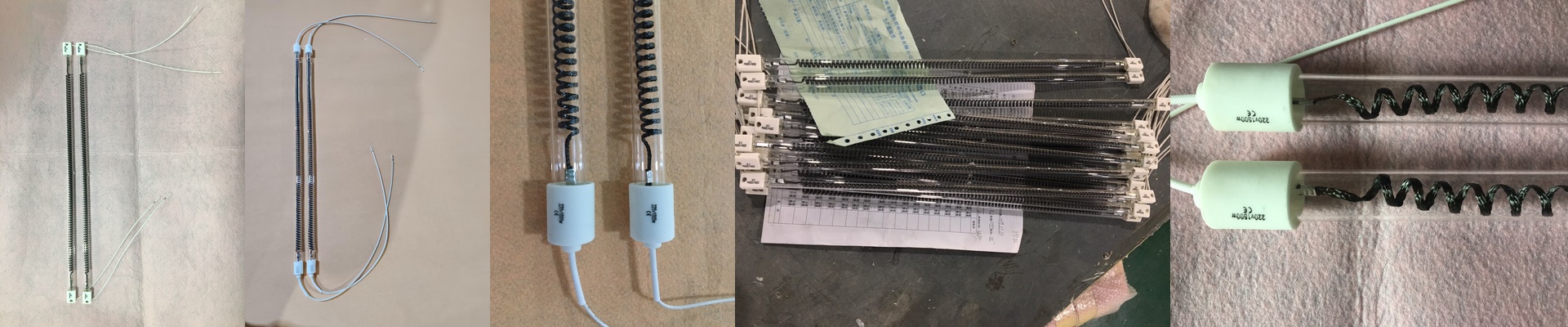
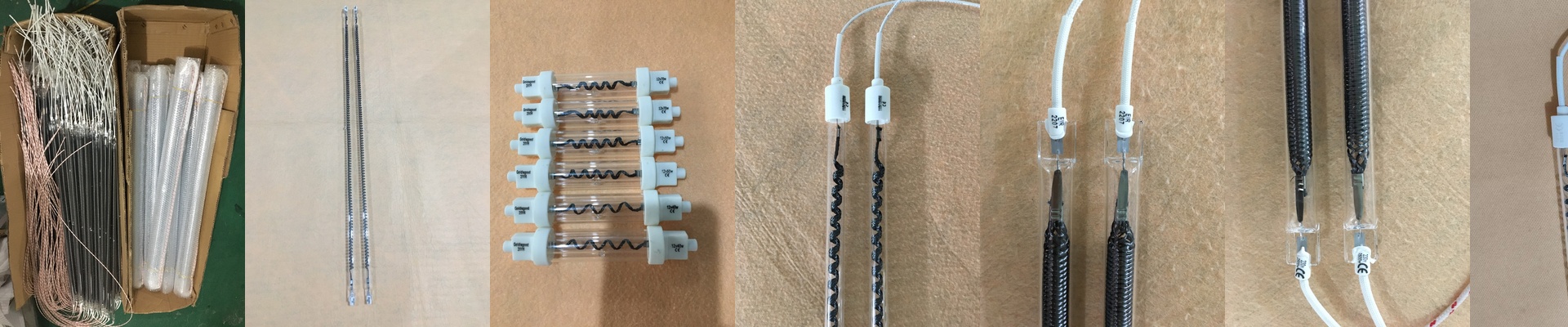
Here’s the thing about the power behind these units. A typical one runs at 2500W and 400V. That high voltage is a clever trick—it keeps the current down, which means you can use smaller wiring and avoid that annoying voltage drop over long lines. And the design? The 300mm tube is all about focus. It concentrates all that heat into a tiny footprint, so you’re hitting one specific spot without turning the whole machine bay into a sauna. It gets hot, fast. Seriously fast. But that power comes with a heads-up: you need to make sure your equipment has a solid thermal management setup to keep everything else around it from cooking.
What’s Inside: The Carbon Fiber and R7s Story
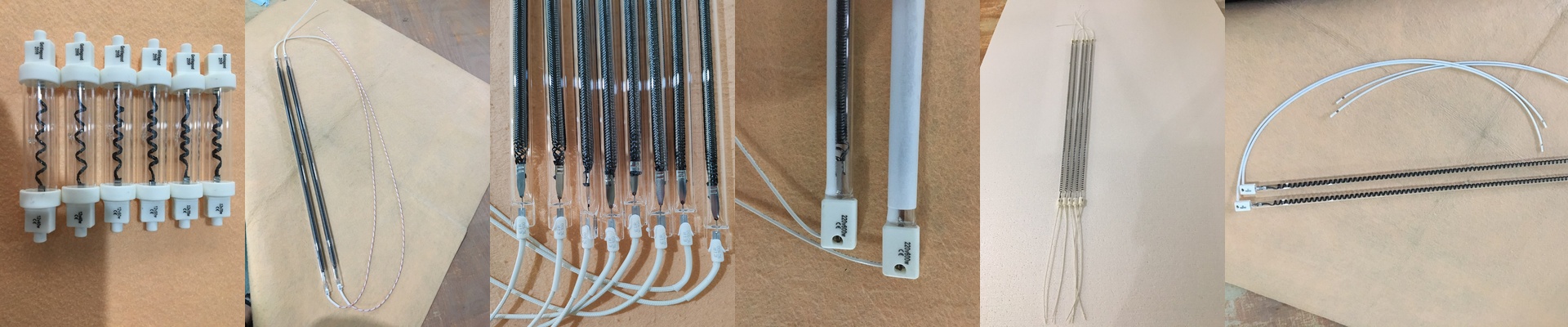
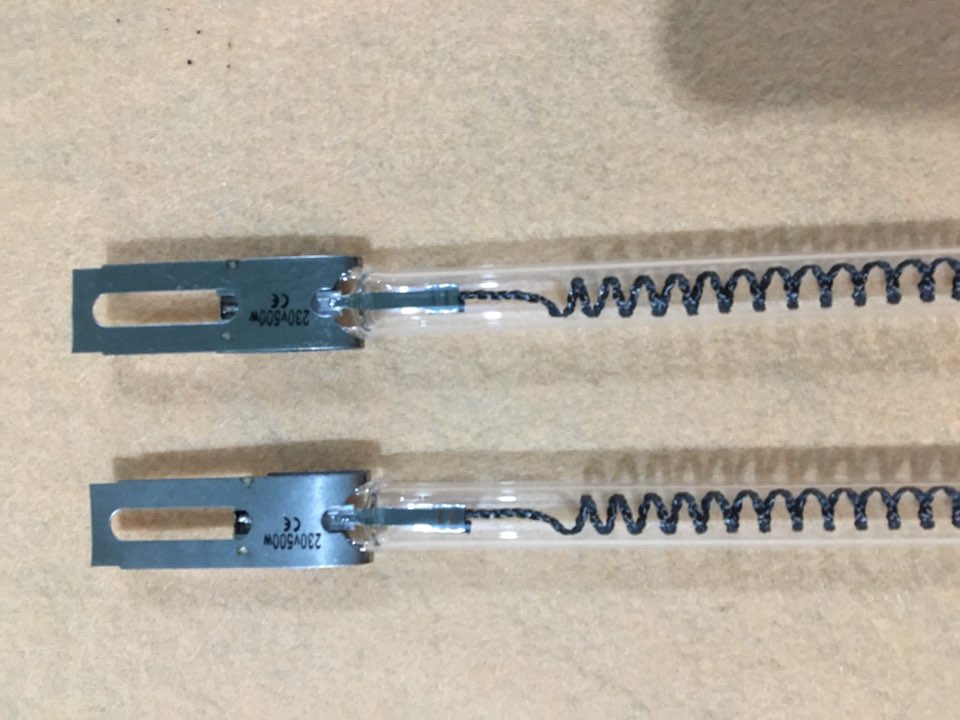
The magic happens inside a quartz tube, where the carbon fiber element does its thing. It throws off infrared radiation with a lightning-quick response and rock-solid resistance. The quartz tube itself is a workhorse, built to handle extreme temperatures and keep the whole thing clean. And the R7s connector? It’s just a simple, two-pin design that makes wiring a no-brainer. It’s a standard, so you can just pop this lamp right in and replace your old industrial heating fixture without a single headache.
Real-World Use and What It Feels Like
On the line, especially with something like PET blowing, you can’t wait around for heat. You need it on demand. These heaters hit their operating temperature almost instantly and then just hold steady, which keeps your cycle times right where they need to be. Their compact size makes them a dream to fit into existing machinery. Just a friendly reminder, though. This kind of concentrated heat is powerful stuff. You’ll want to make sure you have proper shielding and cooling in place to keep your nearby sensors and controls safe.