Introduction
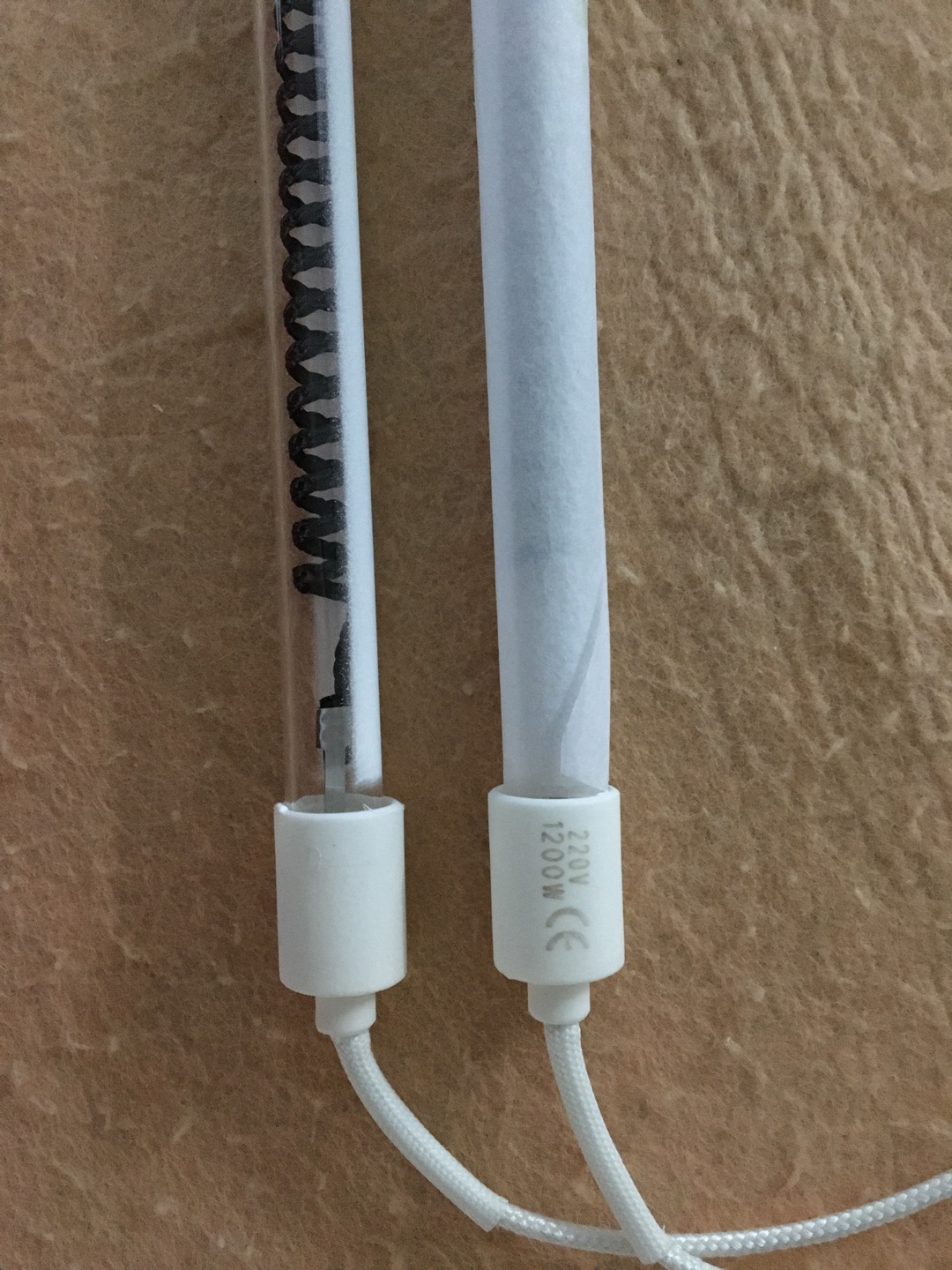
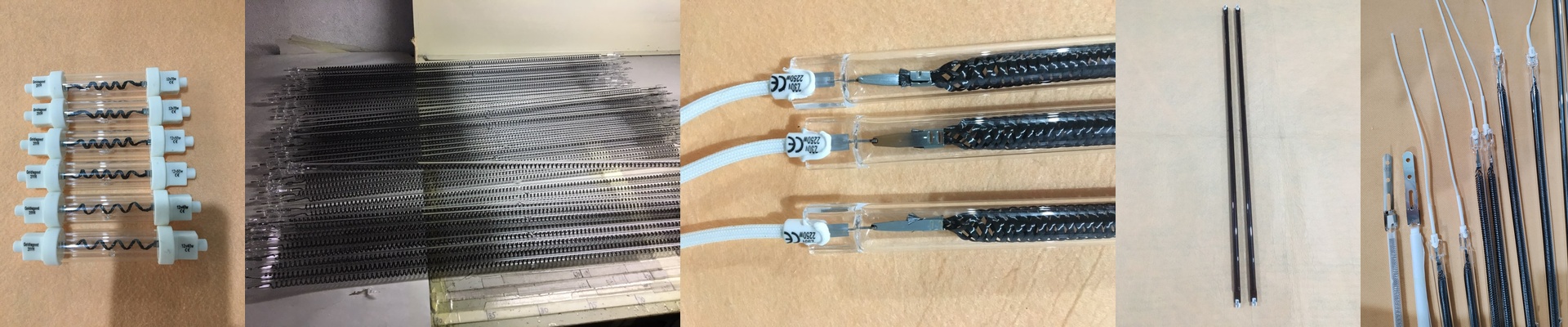
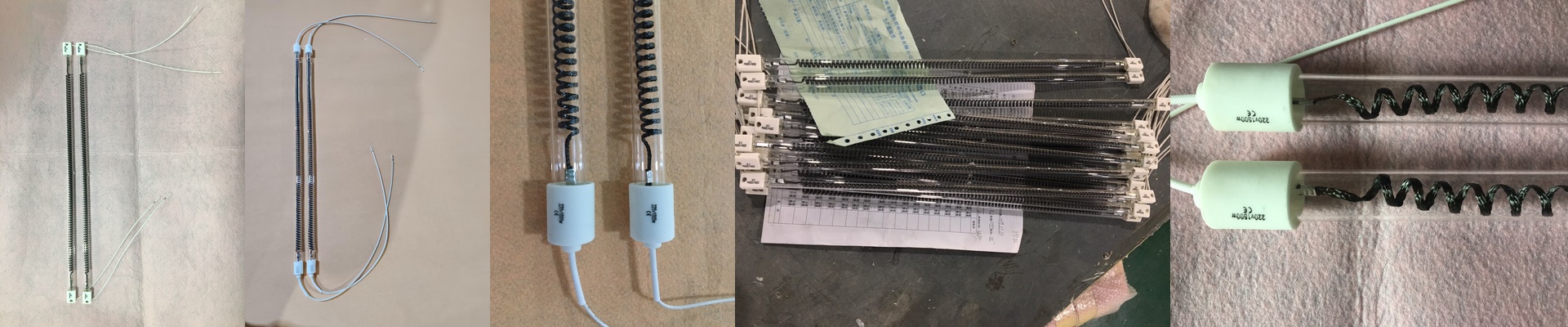
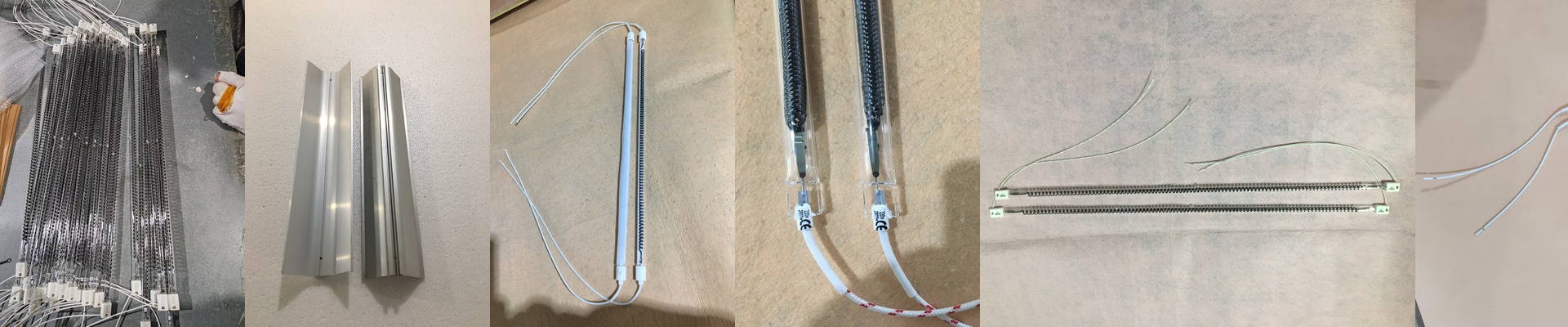
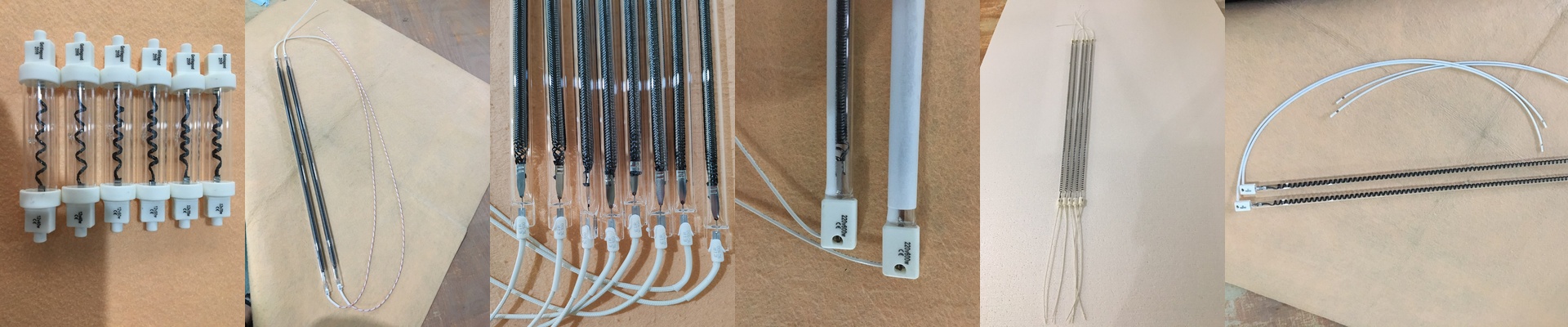
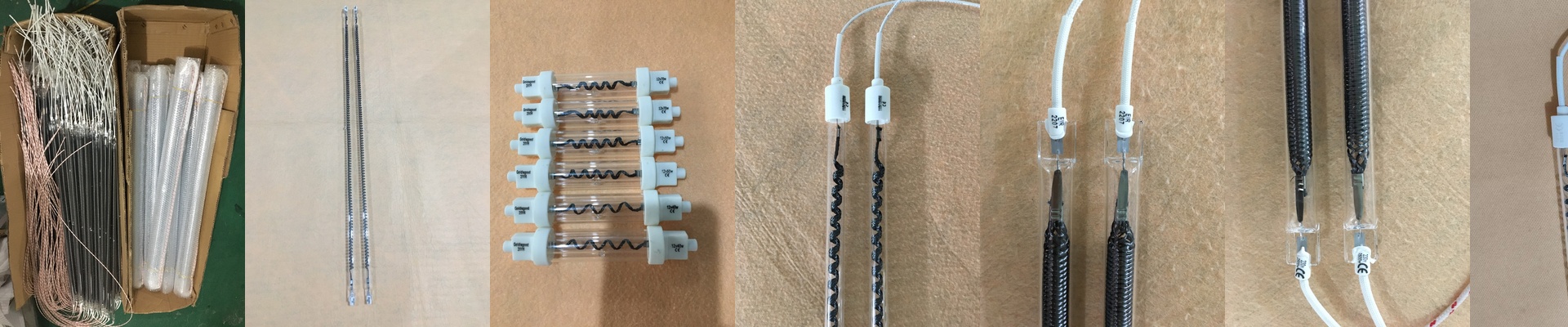
We built this carbon-fiber IR twin lamp for engineers who need serious, controllable heat—without taking up a ton of space. It’s two infrared halogen elements paired into one tidy unit, giving you fast response and a lot of power in a small footprint. Perfect for industrial spots where room is tight, but you still need heat you can count on.
Power, Voltage, and Size—What It Means on the Floor
The twin-lamp design is all about squeezing more wattage into the same machine footprint. Most units run at 400V, which lets us deliver high power without forcing you to run thick, clumsy cables just to handle the current. And the 300mm length? That wasn’t random. It gives you a clean, defined heat zone that lines up with a lot of standard heating windows on packaging lines, forming stations, and drying setups. With two lamps, we can spec the system for high wattage—often around 2500W per lamp—so temperatures ramp up fast. That kind of punch means your control strategy and cooling have to be ready for the load. You get dense heat, yes, but you’ll need proper airflow or heat sinking to keep the lamp body and reflector temperatures where they should be.
What It’s Made Of—and Why It Stays Tight Under Stress
The carbon-fiber housing isn’t just light. It’s stiff and stable, so it resists warping and vibration. That helps keep the optical alignment consistent, even when the machine is running. Inside, we use a halogen-cycle element inside a quartz envelope. That design holds output steady over time and handles repeated heating and cooling cycles better than a standard filament. Then there’s the R7s connector—practical, proven, and easy to work with. It gives you a solid two-terminal connection that’s straightforward to wire and install consistently. The base design also helps keep the lamp seated, even under vibration, so you don’t get arcing or intermittent contact.
Where It Shines—and What You Gain
You’ll see this setup used anywhere you need fast, localized heating: plastic forming, adhesive curing, coating drying—that kind of work. The twin layout spreads heat evenly across a narrow zone, which helps reduce hot spots and trouble at cut edges. The payoff is simple: it’s a drop-in piece that heats quickly, holds temperature reliably, and fits into tight lines. But here’s the honest part—because it packs so much heat into a small space, your machine’s cooling and thermal management need to be spec’d to match.