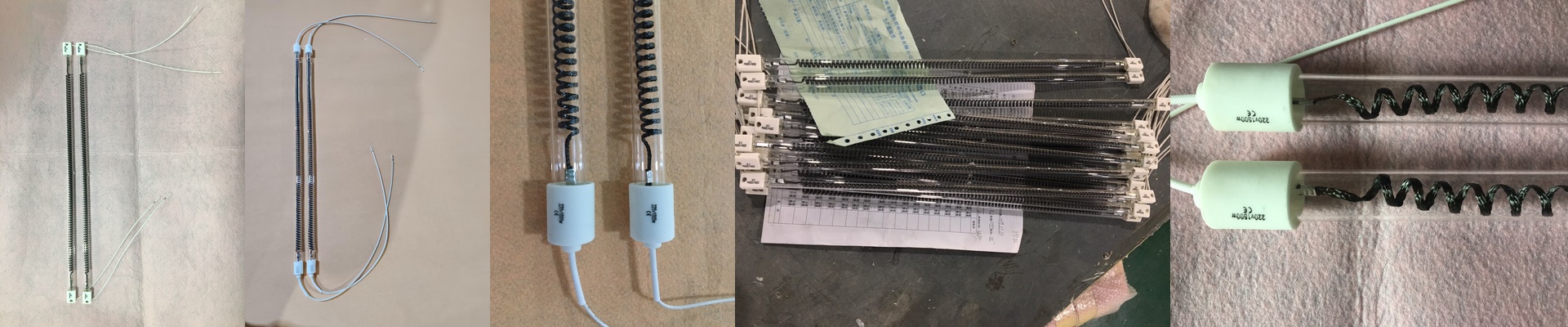
Introduction
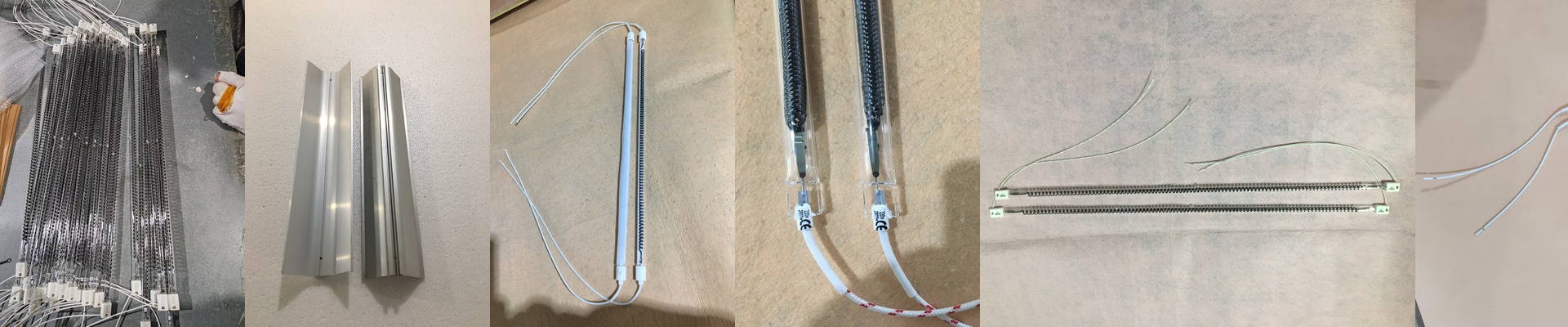
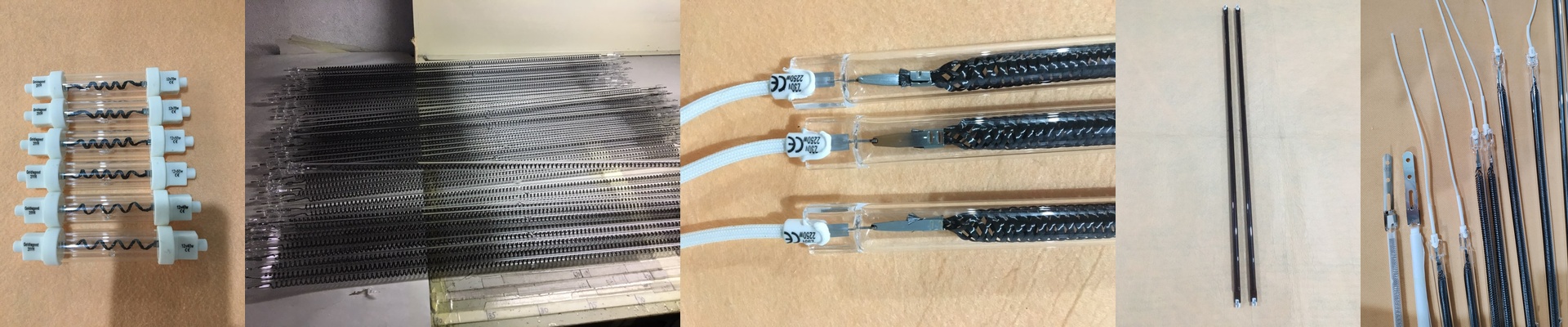
Ever been stuck trying to cram serious heat into a space that’s barely big enough to breathe? We felt that pain, too. So we built the twin-tube carbon lamp—a direct-radiant heater made for the tight corners of industrial machines, where you need intense heat and you need it now. It’s all about packing a lot of punch into a small footprint. You get high-intensity infrared heat without having to tear apart your whole production line just to make room for it.
Power, Voltage, and the Shape of Things
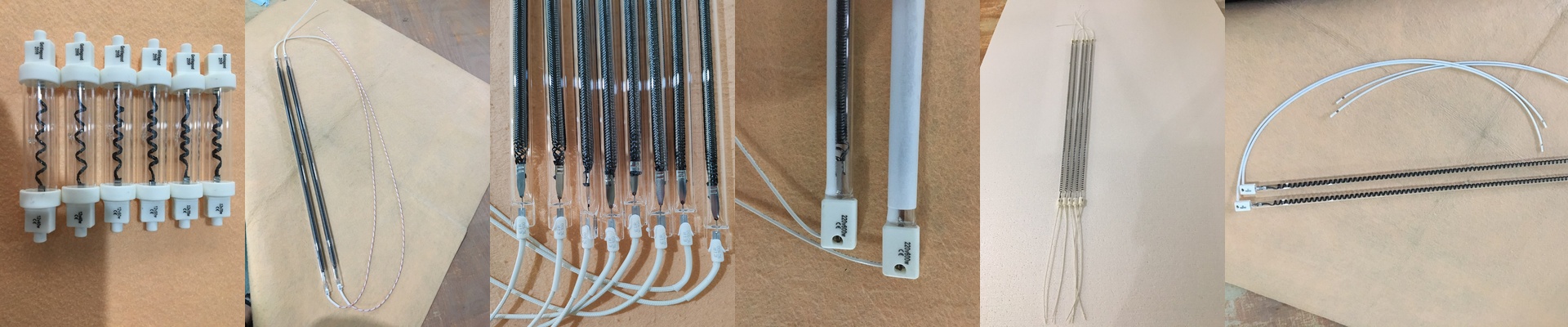
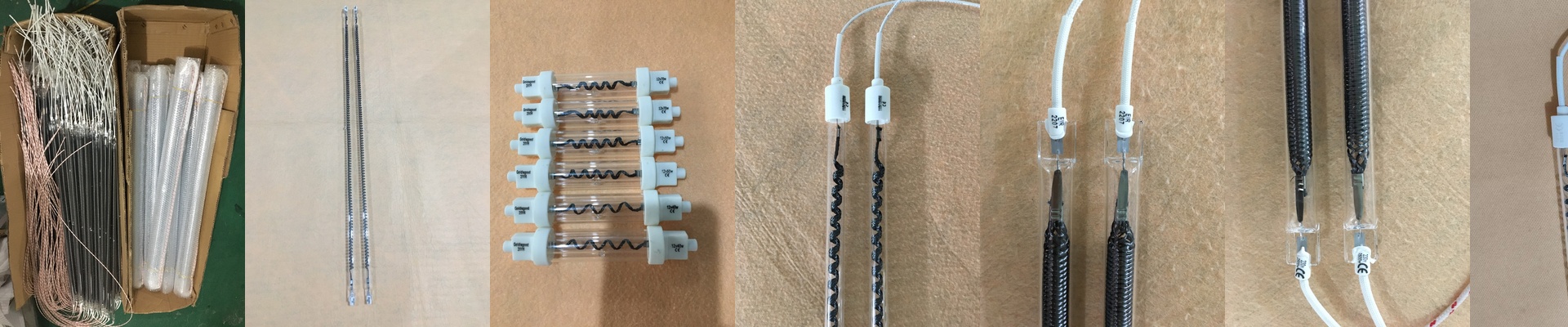
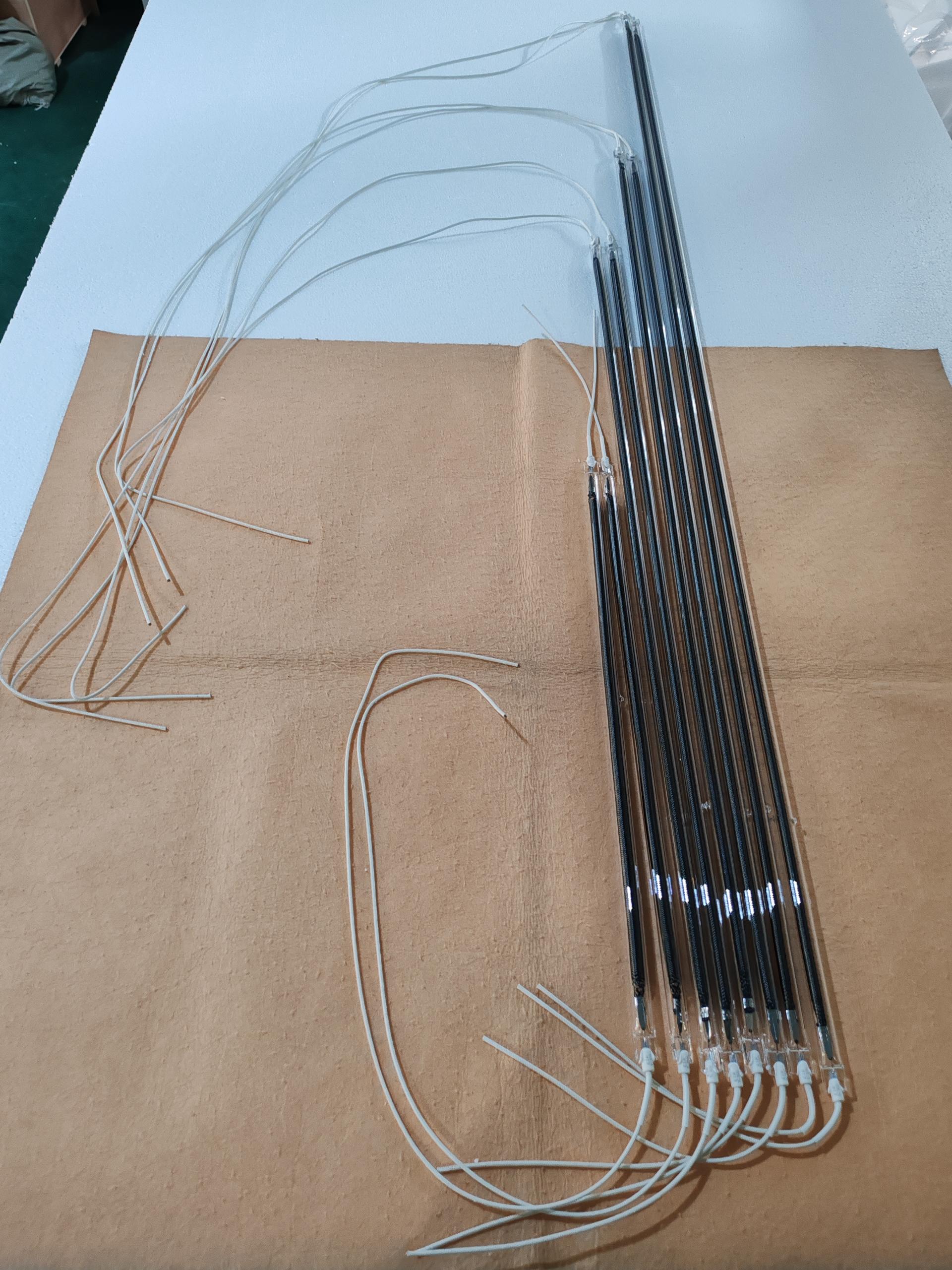
Here’s the thing about the twin-tube design: it’s a clever way to squeeze more heating surface into a tiny space. We’re talking about a lamp that’s roughly 300mm long, but thanks to that twin-tube shape, it covers a longer heating arc than a single-tube lamp would in the same spot. And the power? It’s serious. We’re talking 2500W and up. Because when you’re softening plastic on an industrial scale, you need energy delivered fast. Voltage-wise, you’ll often see 400V setups. That higher voltage gives you the wattage you need while drawing less current. Less current means you can use smaller wires, which keeps your control wiring clean and manageable. But—and this is important—that kind of concentrated heat means you have to plan for it. You’ll need to get your airflow, reflector spacing, and thermal shielding right to keep nearby parts from cooking.
What It’s Built From—and Why It Matters
The tube itself is quartz. Why? Because quartz can handle the shock of switching on and off again and again, and it stays steady even when things get seriously hot. Many versions also use a halogen fill gas. The halogen cycle helps keep the element cleaner by pulling evaporated material back to the hot zone. In plain terms? It helps the lamp stay consistent and last longer, even when it’s running at high temps. Then there’s the connector: R7s. It’s a two-pin ceramic interface chosen because it holds up under heat and makes mounting simple. Slide it in, line it up, lock it down. That kind of reliability matters when you need your heating pattern to land exactly the same way, every single time.
Where It Shines: PET Blowing and Other Tough Spots
Take PET blowing. You need to heat the parison fast—fast enough to keep up with cycle times—but controlled enough that you don’t scorch it. The twin-tube carbon lamp nails that balance. It throws a tight, focused infrared beam that you can aim with reflectors, so you’re heating the target, not the whole machine around it. And if you’re swapping out heaters, this setup drops in cleanly. You get predictable heat, a tough quartz envelope, and an R7s termination that makes installation straightforward. Just remember: the output is high, so plan your cooling and spacing up front.