Introduction
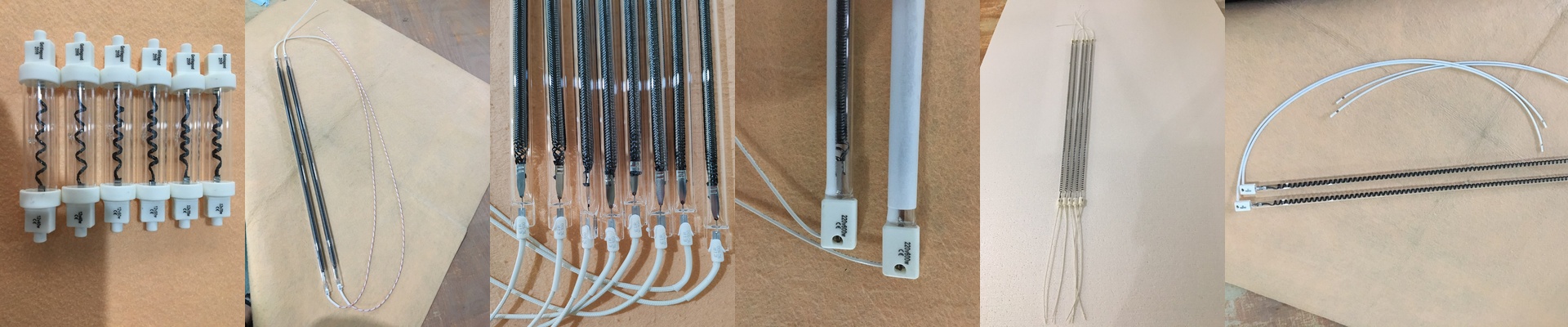
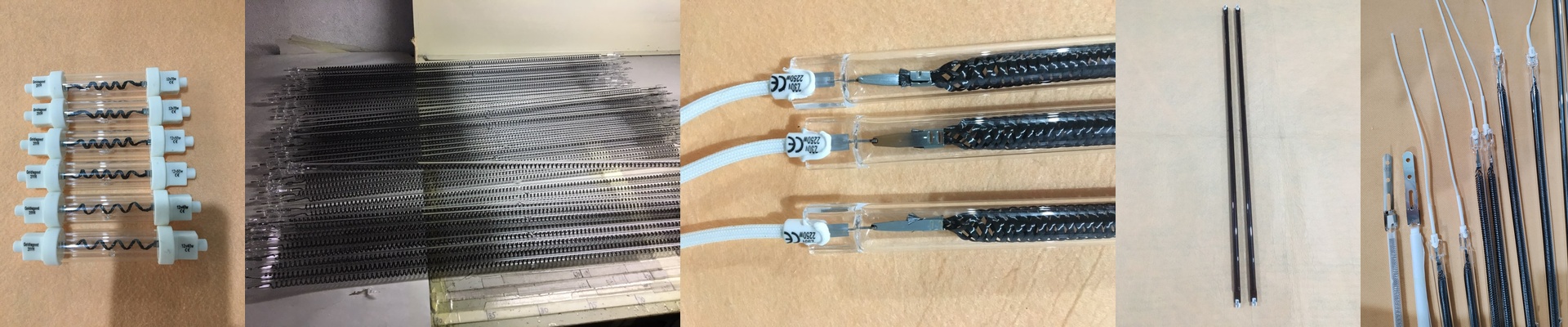
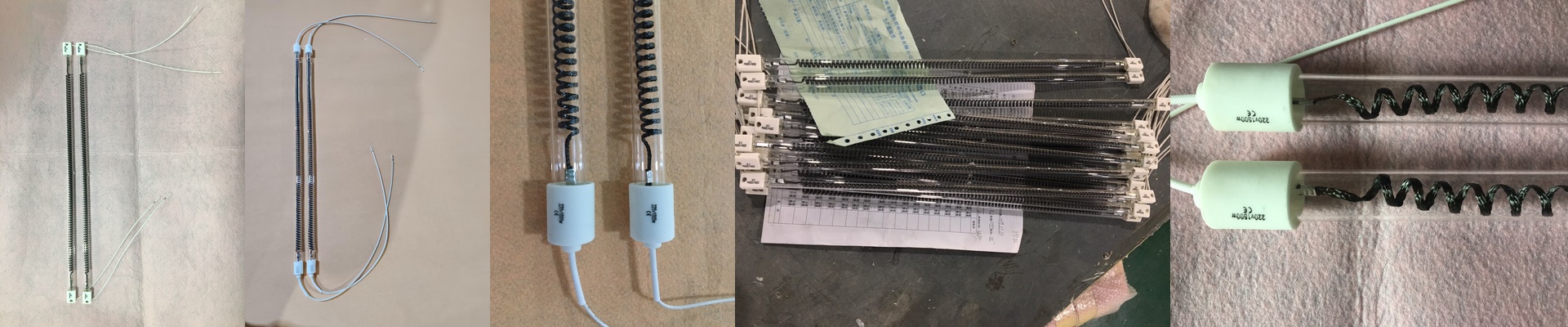
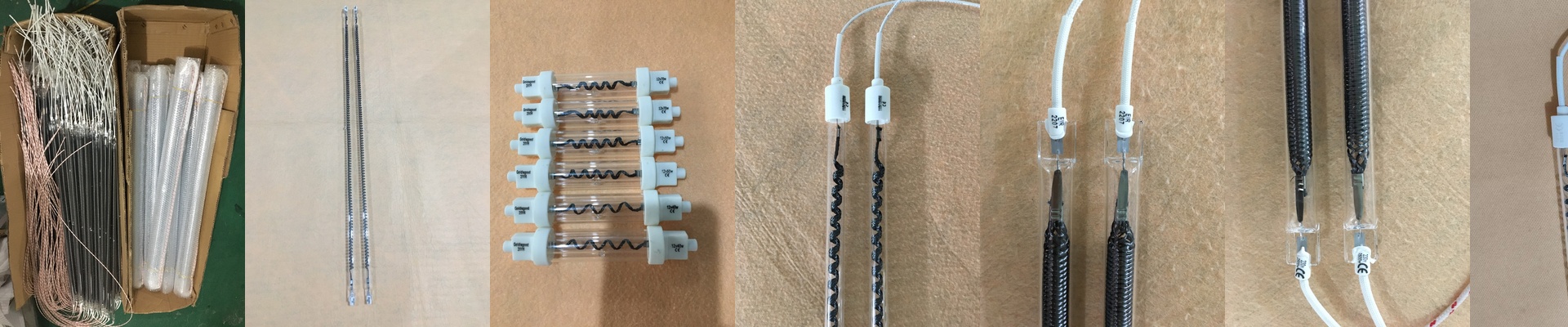
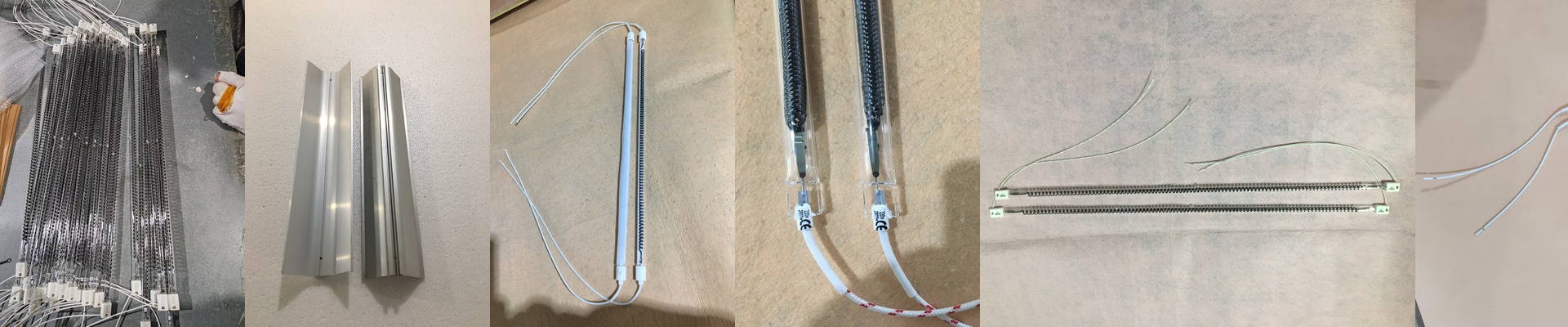
Ever run into a heating problem where the “one-size-fits-all” solution just… doesn’t fit? We build custom quartz carbon heating tubes for engineers who need serious heat in a tiny space. These aren’t off-the-shelf heaters you find in a catalog. They’re built around your exact machine and the thermal load you need to handle. When you’ve got to hit a specific temperature fast—without turning everything around it into a sauna—a custom quartz carbon tube is exactly what you need.
Power, Voltage, and Dimensions: Getting the Heat Right
We size these tubes to match your thermal demand, with options for voltages up to 400V and wattages up to 2500W. Going high voltage keeps the current low, which means you can use smaller wires and reduce stress on the connections. And when you pack high wattage into a short length, you get the heat density you need for rapid heating. A 300mm tube running at 2500W, for example, throws off some serious localized energy. Just be sure to plan your cooling and clearances—this kind of heat output demands respect. The best part? Length and diameter are fully customizable, so the tube slips right into your existing assembly without forcing you to redesign the whole machine.
The Inside Story: Materials and Design
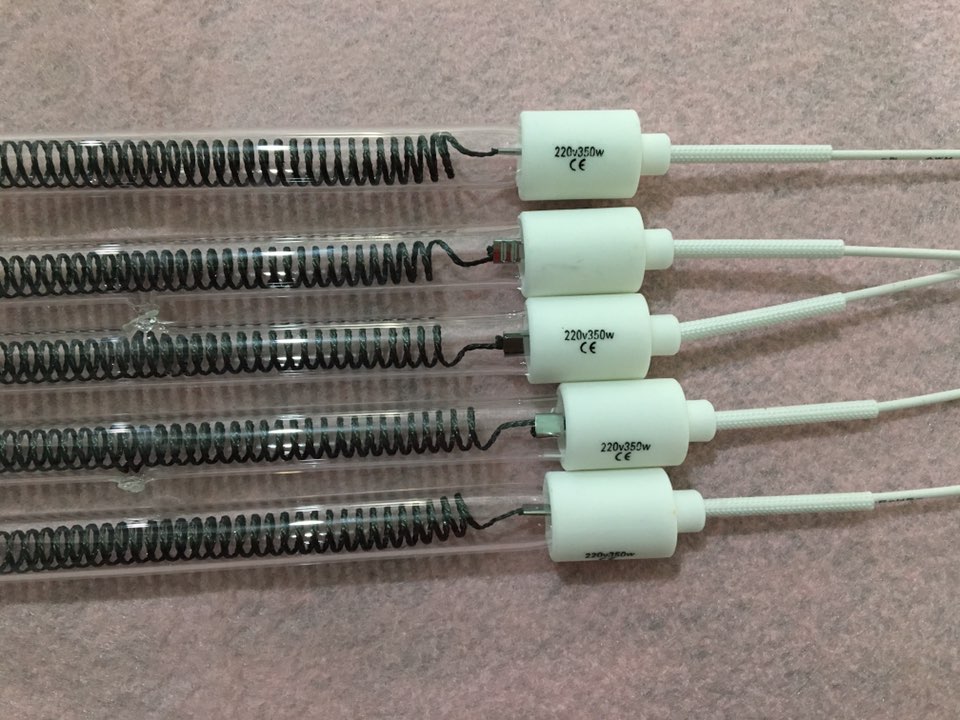
At the heart of it is a carbon filament, sealed inside a quartz envelope, often with a halogen fill gas. The quartz handles the thermal shock and keeps the filament stable, no matter how hot things get. Meanwhile, the halogen cycle helps maintain consistent output over the life of the tube, fighting off the blackening that would otherwise kill its performance. We can also add a reflective or gold coating to direct infrared energy forward. This boosts efficiency and helps shield nearby components from the heat. For termination, we use R7s or Sk15 connectors. R7s gives you a solid, two-end contact that’s easy to wire and swap out. Sk15 offers a compact, robust connection for those tight, space-constrained designs.
Precision Heat Where It Counts
These tubes are built for demanding industrial heating—think PET blowing and similar processes that need rapid, uniform surface heating. Because we take a custom approach, you get the exact watt density and form factor you need, whether you’re doing a drop-in replacement or building something new. The payoff is faster heat-up, stable temperature control, and a component that just keeps going, cycle after cycle. Just keep in mind: that high heat density means you need adequate airflow and thermal management. It’s the trade-off to keep everything around it—and your electrical connections—safe and within limits.