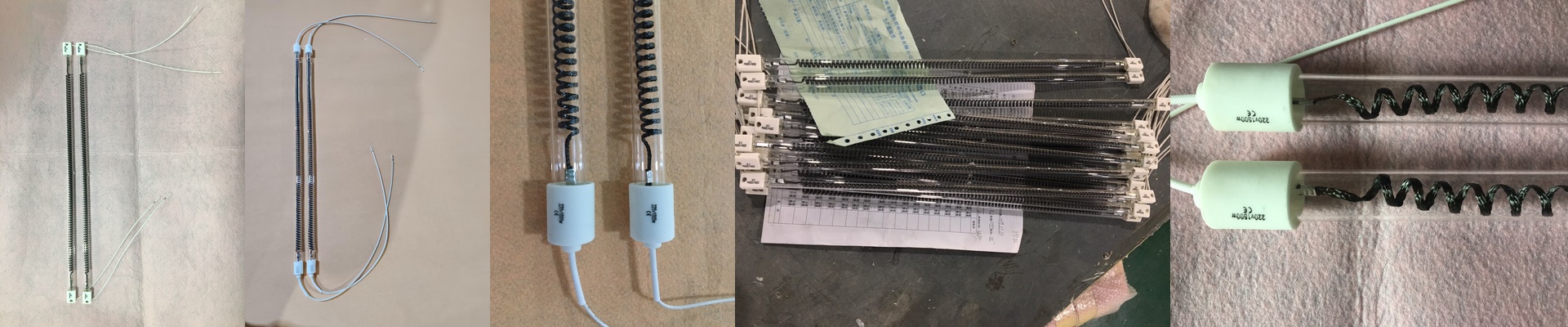
The Infrared Carbon Heat Lamp: Built for the Heat, Built for the Real World
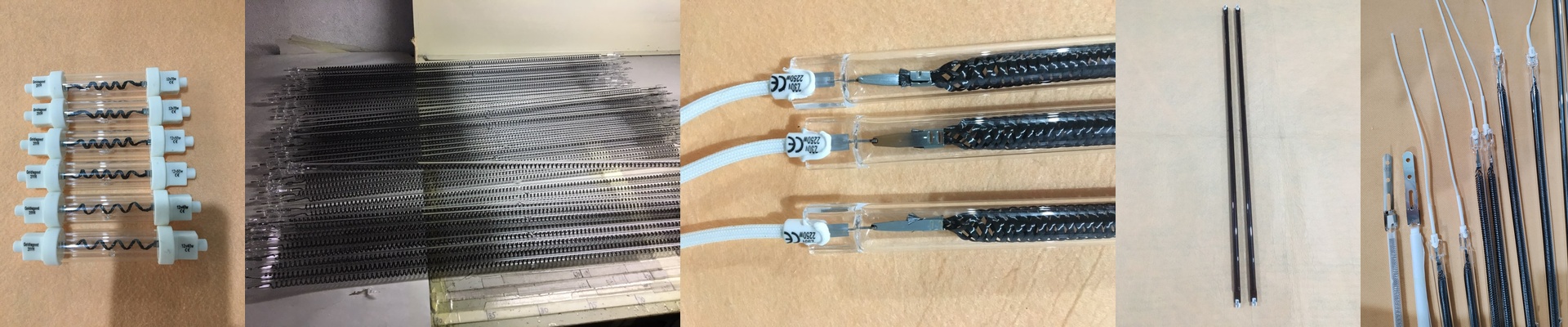
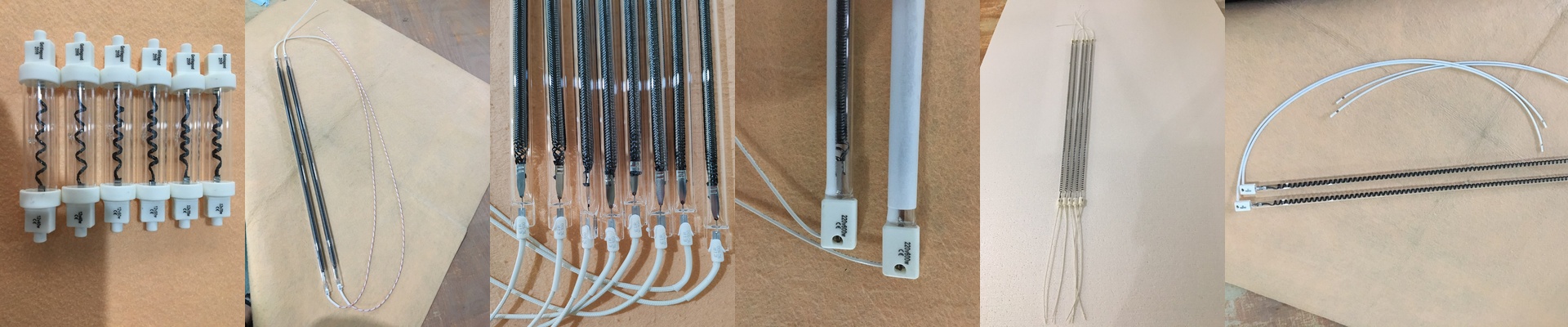
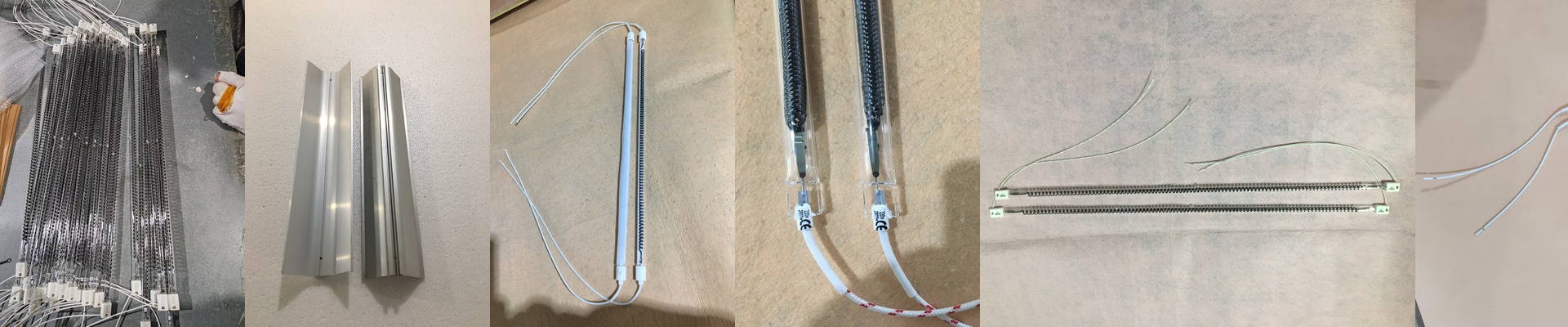
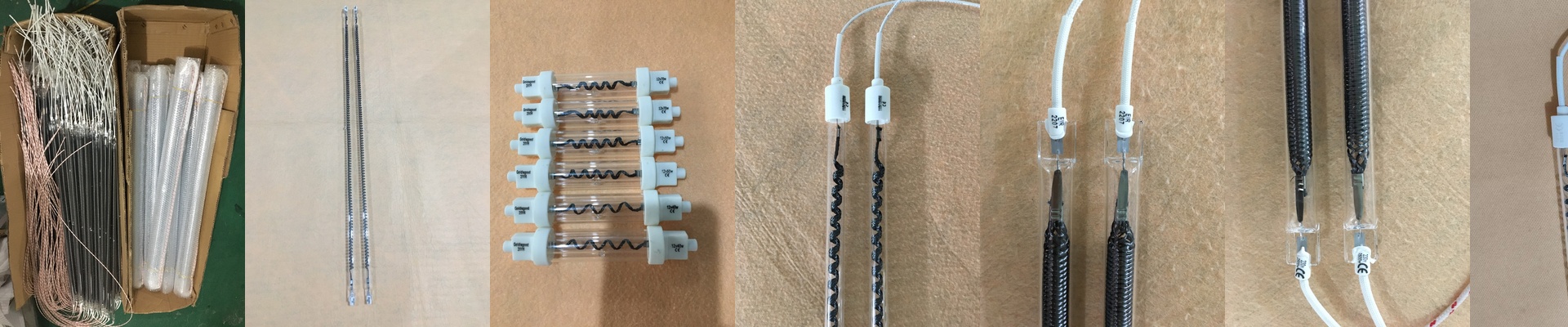
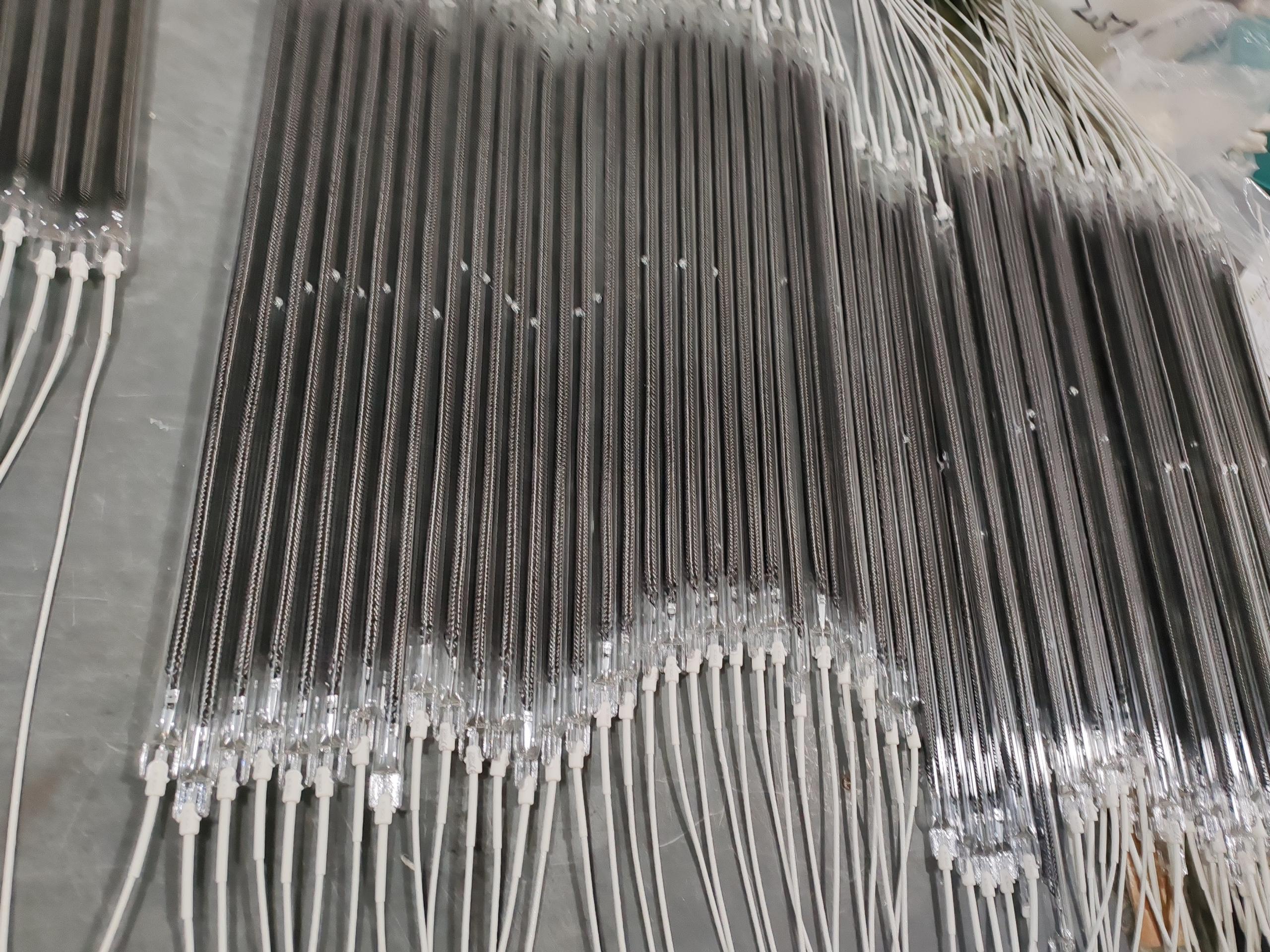
We built this infrared carbon heat lamp for one reason: to get serious heat where you need it, fast. We’re talking about industrial settings, where you need to zero in on a small area and make it hot—without turning the whole machine bay into a sauna. It all comes down to power. These lamps pack a punch, typically running at 2500W to 3000W, all squeezed into a compact 300mm tube. That tight size is a huge advantage. It lets you focus the heat on a specific spot, like a laser beam of warmth, without wasting energy heating everything else.
Voltage: Matching the Power to Your Setup
When it comes to voltage, you’ve got options—we typically build for 230V or 400V to match what your control panel and line supply can handle. Here’s a neat trick: if you run a 400V lamp at the same wattage as a 230V one, it pulls less current. That means you can use smaller cables and put less strain on your contactors. So, start by checking your power supply. Then, let the lamp follow its lead.
What’s Inside: The Tough Stuff That Makes It Last
Inside, the carbon filament is sealed in a quartz tube and surrounded by halogen gas. This combo is the secret to its long life. The gas keeps the filament stable, even when it’s glowing white-hot, so it resists burnout and keeps putting out consistent heat for thousands of hours. And the quartz? It handles extreme temperature swings without cracking and transmits that shortwave infrared energy with real efficiency. The result? Lightning-fast response. We’re talking on-and-off cycles in seconds.
The Base Isn’t Just an Afterthought
The R7s base is a crucial piece of the puzzle. It gives you a secure, two-point connection that can handle high current without getting loose, even when things are vibrating. And the best part? It’s a direct, drop-in fit for standard sockets. So, you can wire it up quickly and keep maintenance as simple as possible.
Where It Shines: Real-World Applications
This is your go-to lamp when you need intense, focused heat for specific jobs. Think PET blowing, plastic welding, curing coatings, or activating adhesives. The shortwave output gets right to the heart of the material, heating the part quickly without scorching the components around it.
The Trade-Off: Power Needs Respect
Let’s be real—all that power comes with a responsibility. High heat density means you have to plan for shielding and cooling. If you don’t have the airflow or reflector placement right, nearby sensors and wiring can get fried. So, match the lamp size to the job, and match the voltage to your panel. That’s how you get the same reliable heat, shift after shift.