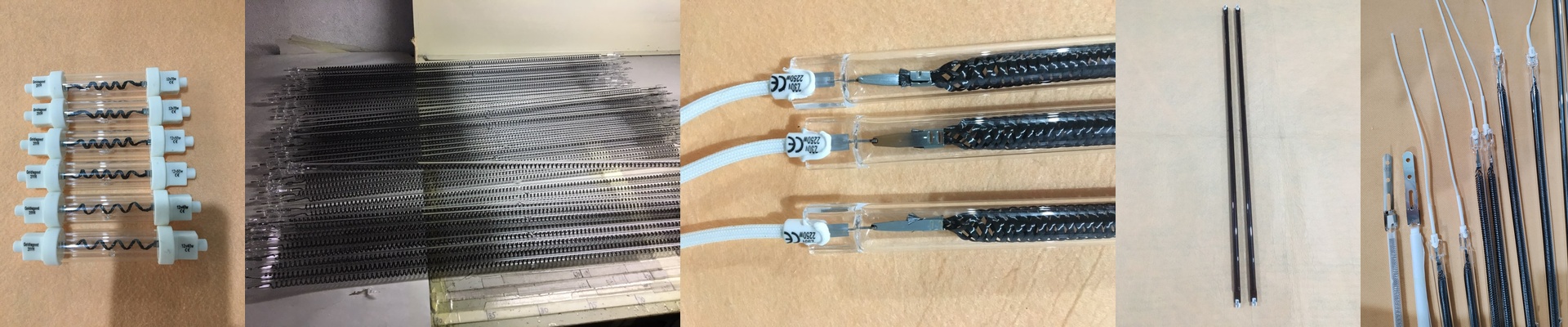
Introduction
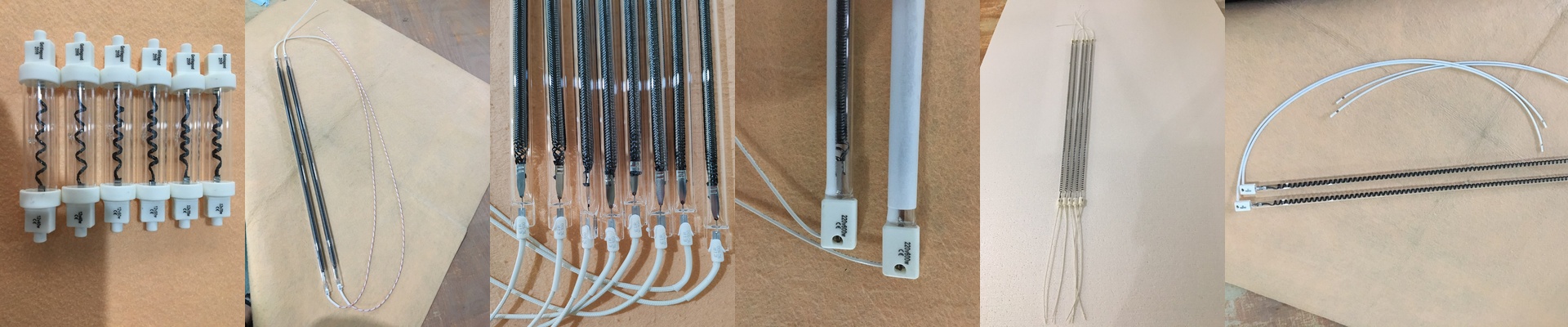
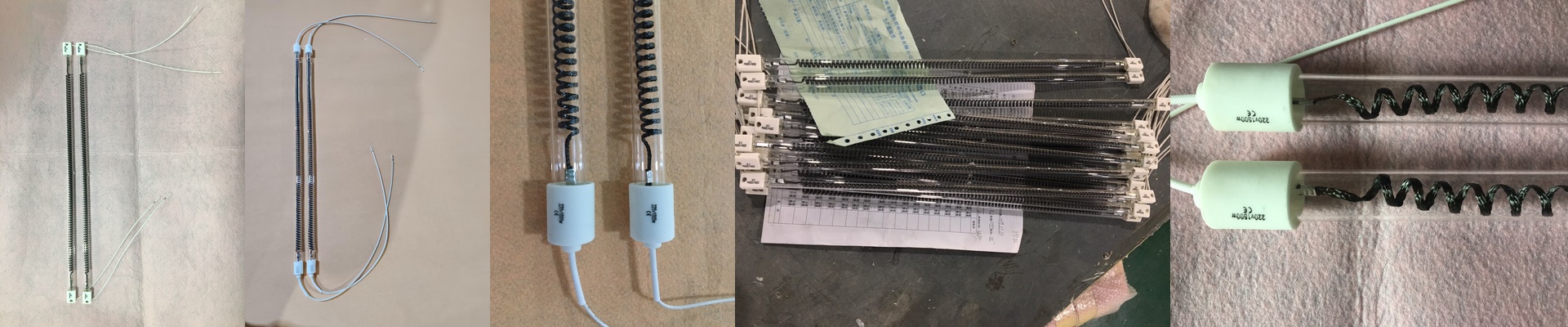
We built this white carbon fiber heat lamp for one reason: to make industrial paint curing faster and more precise. Forget the idea of a basic halogen bulb. This is a shortwave infrared emitter, engineered to hit solvent-borne and powder coatings with the kind of focused, intense heat that crosslinks them quickly—without burning the material underneath.
Technical Deep-Dive
Here’s what makes it work in a real plant. It runs on 400V, which fits right into standard three-phase power setups. That means you can run several lamps at once, in parallel, without tripping circuits or stressing a single low-voltage line. The lamp pulls 2500W across a 300mm tube. That’s a lot of heat packed into a small space, which is exactly what you need to hit curing temps fast. But all that power comes with a catch. The lamp itself gets seriously hot. So do the fixtures and reflectors around it. If you don’t plan for airflow and thermal shielding up front, you’ll shorten the life of the components. Plan the heat management, or it’ll come back to bite you later.
Material & Design
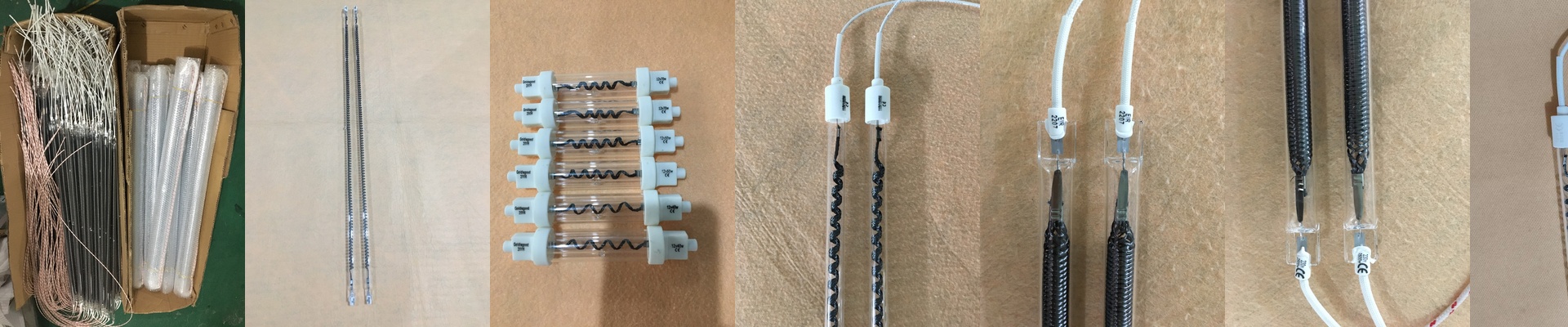
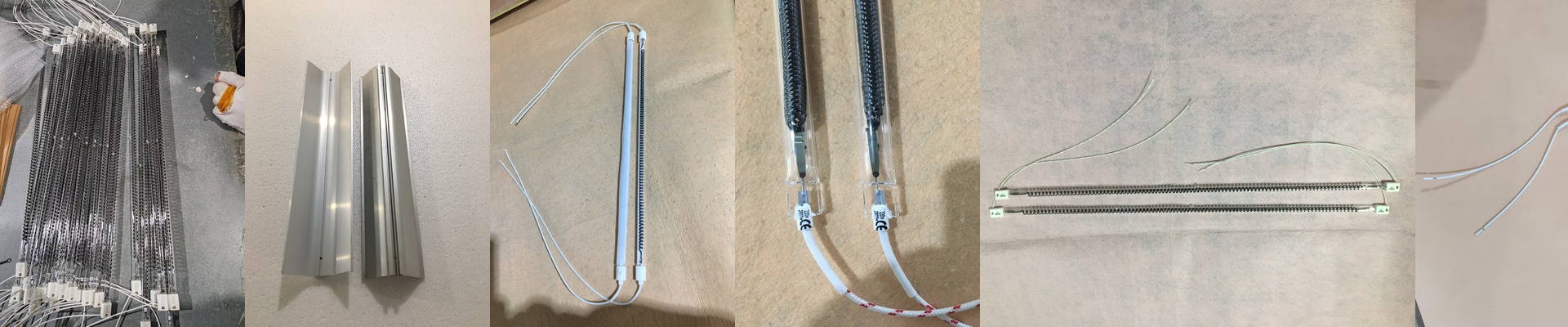
The “white carbon fiber” isn’t just a fancy name. It’s about getting the job done cleanly. The carbon element heats up quickly with very low thermal mass, so the temperature ramps fast. The white quartz envelope keeps the glare down and keeps the energy focused in the shortwave IR band. That means the heat goes into the coating, not into blinding light. Then there’s the R7s base. It’s the practical choice. It gives you a solid, two-point connection that can handle the vibration and the constant heating and cooling of a conveyor line. And if your existing fixtures take an R7s, this lamp drops right in. No hassle.
Application & Benefits
In paint curing, the whole point is to get the coating hot—fast and evenly. Shortwave IR penetrates the top layer and drives heat right to the interface. That cuts curing time and helps you keep the line moving. The 300mm length is perfect for tight lanes and spot cure zones, and the 2500W/400V setup keeps output steady when you’re running multiple units. You end up with faster throughput and a cure you can count on. Just remember, the lamp has to match the substrate. Thin films and heat-sensitive materials still need careful control of the irradiance and dwell time. Spec it for the cure window, not just the wattage, and you’ll avoid issues like orange peel or poor adhesion.