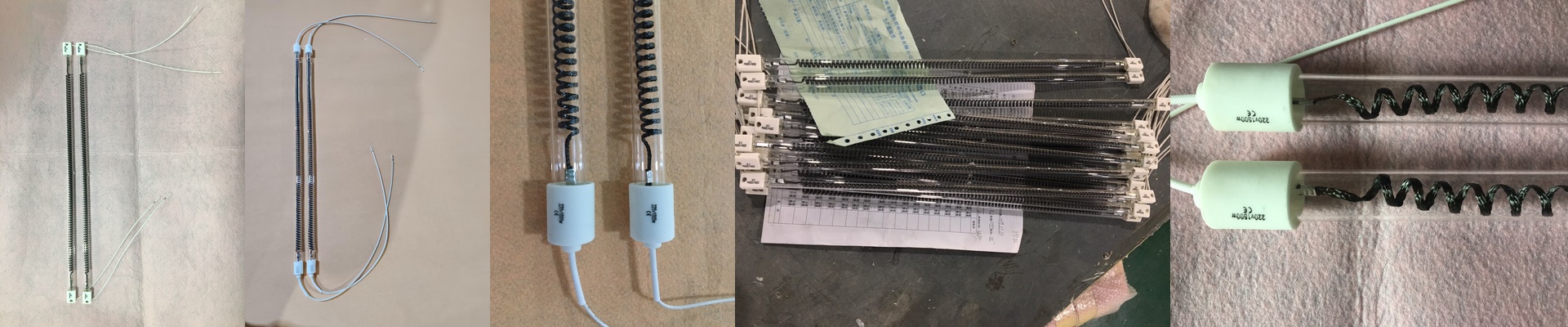
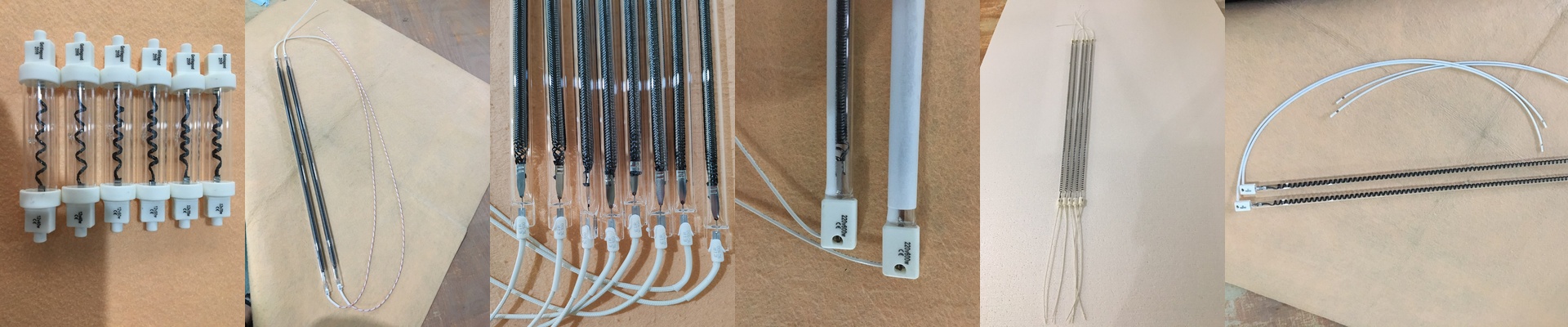
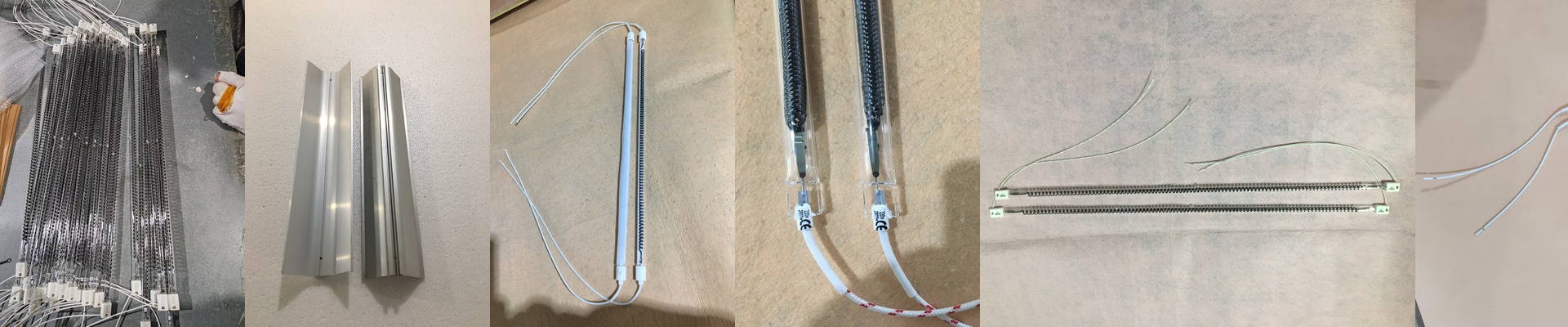
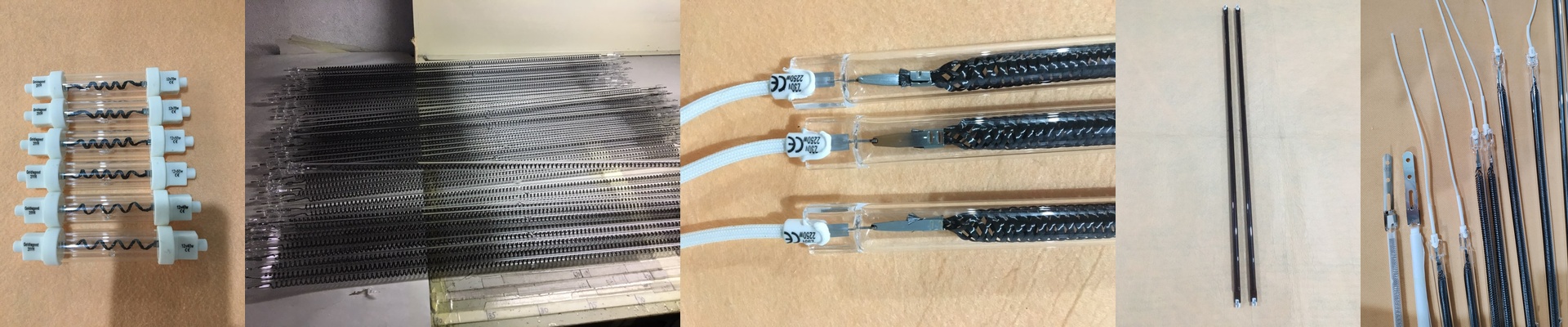
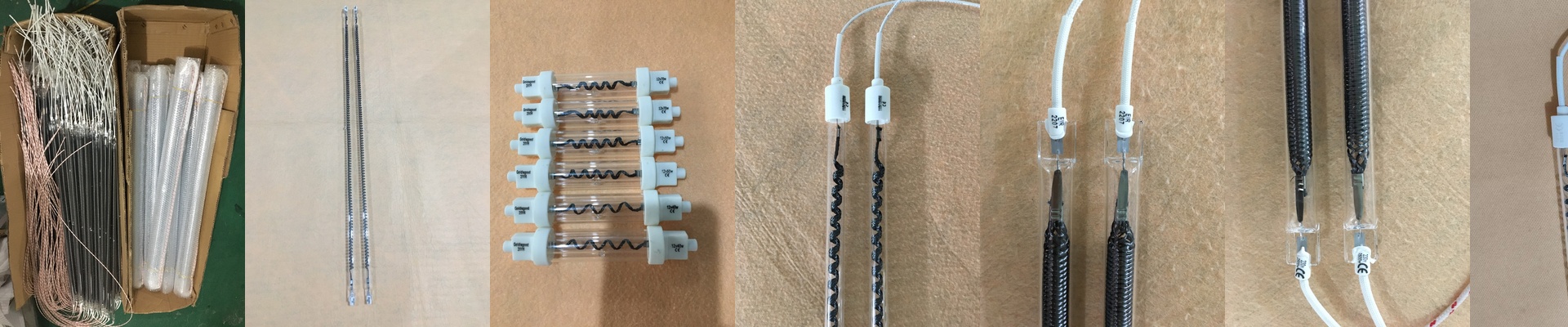
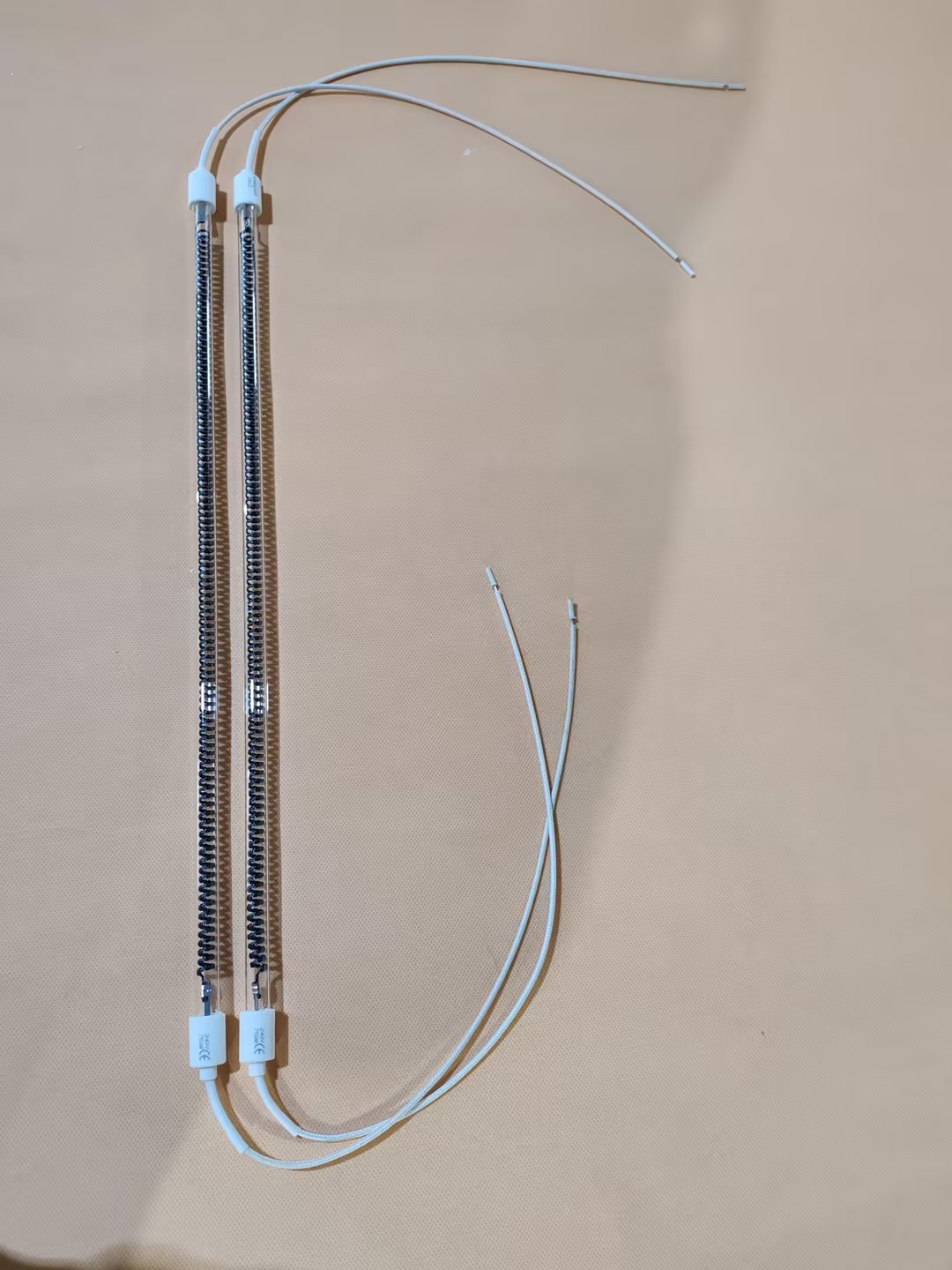
We built this carbon fiber quartz ceramic heater to be one thing: a compact powerhouse that throws intense infrared heat, on demand. It’s for the jobs where you need heat fast, you need it controlled, and you simply can’t afford downtime. Think tight spaces. Think high stakes. This is the kind of heat you can count on when the pressure is on.
Power, voltage, and size—kept simple
It runs on 400V, pulls 2500W, and fits into a 300mm tube. That combo gives you serious wattage in a small footprint. The 300mm length is deliberate—it gives you a clean, defined heating zone that slots easily into existing equipment. And the 400V design? It lets us deliver high power without driving current through the roof, so wiring stays straightforward. But here’s the reality check: this level of output needs a solid control circuit and proper cooling. Keep the machine’s environment in check, or both the electronics and the heater will run too hot—and that cuts lifespan fast.
What’s inside—and why it matters
Inside, you’ve got a carbon fiber filament, sealed inside a quartz envelope and filled with halogen gas. That halogen cycle keeps the filament stable, so the output stays consistent over time—no blackening, no fading. The quartz tube doesn’t just survive rapid heating and cooling—it’s built to handle it without cracking, and it transmits infrared energy cleanly. Then there are the ceramic end-caps: they hold everything together and keep the terminals thermally isolated. And for the connector, we went with R7s—the standard double-ended base used in industrial infrared lamps. That means it drops right in as a replacement, so maintenance is quick and changeovers don’t grind your line to a halt.
Where it shines—precision, speed, and easy upkeep
Take PET blowing, for example. You need heat that hits operating temperature fast and holds steady. The carbon fiber filament does exactly that—jumps to temperature, delivers infrared energy immediately, and keeps the process window stable. That means shorter warm-ups and the ability to keep lines moving at a brisk pace. You get high power density, stable output, and an R7s fit that makes wiring and replacement a breeze. Just one heads-up: all that heat has to go somewhere. Plan your shielding and airflow upfront. Without it, the surrounding components will feel the strain—even if the lamp itself keeps performing.