

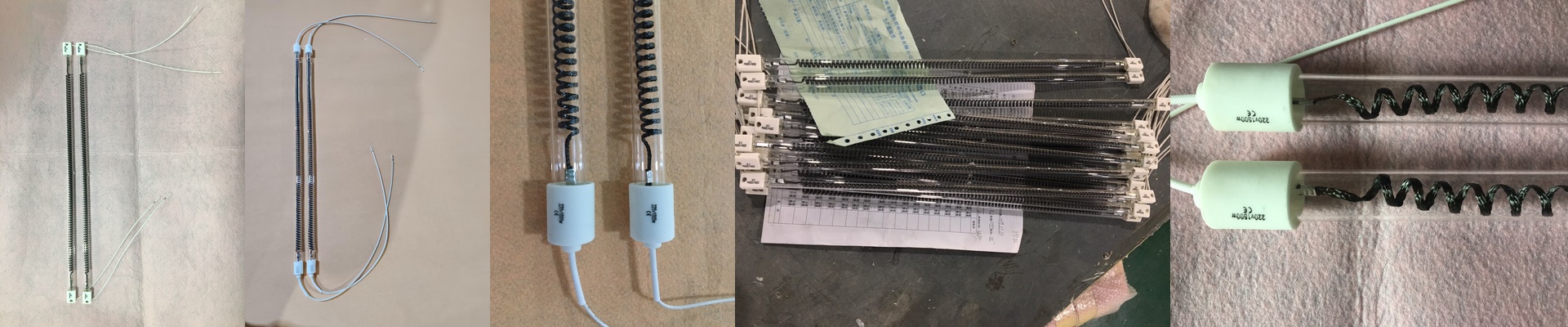


Carbon Fiber Infrared Elements: The Power Behind the Heat
We built these carbon fiber infrared elements for one reason: to handle the intense, non-stop heating jobs on the factory floor. You need something that responds instantly and gives you precise control, and that’s exactly what these deliver. The standard setup runs at 400V and 2500W. It packs a serious punch of heat into a surprisingly small tube. We keep the lengths practical, too—most come in at 300mm or 450mm. That means you can slide them right into your existing machine without having to tear the whole thing apart. That high voltage isn’t just for show. It keeps the current low while still cranking out the wattage. Why does that matter? Because it means less voltage drop over long wire runs, so your performance stays steady. And that 2500W gives you the muscle for tough processes, but it also means you’ve got to set up your control system and cooling properly. If your space is tight, make sure you’ve got enough airflow or heat sinking to keep the temperature from climbing.
Built to Last: Halogen Quartz and R7s Connectors
Inside, you’ve got a carbon fiber filament nestled in a halogen-filled quartz tube. The magic is the halogen cycle—it keeps the inside clean by sending evaporated material back to the filament. That means a long life and consistent heat output. And the quartz? It can handle the shock of rapid on-off cycles and stay rock-solid at high temps without softening up. For the connector, we went with the R7s because it just works. It gives you a secure, two-end connection and drops right into standard fixtures. Wiring it up is straightforward, and the design makes sure you can’t accidentally misalign it. That means no uneven heating or nasty hot spots.
Where It Shines and What You Get
You’ll see these elements hard at work in plastic processing—like PET blowing and thermoforming—and on packaging lines where you need heat right where you want it. The beauty is how fast the infrared heat gets to the target without wasting energy heating the whole machine. So, you get the combo of carbon fiber, halogen chemistry, and that 400V/2500W setup. The result? Predictable temperature rise, repeatable output, and a footprint that doesn’t take over your workspace. But here’s the honest part: that high heat density means you’ve got to manage the heat and make sure your connections are solid. Match the controller to the load, keep the wiring protected, and you’ve got a heating solution that can take whatever the shop floor throws at it.