


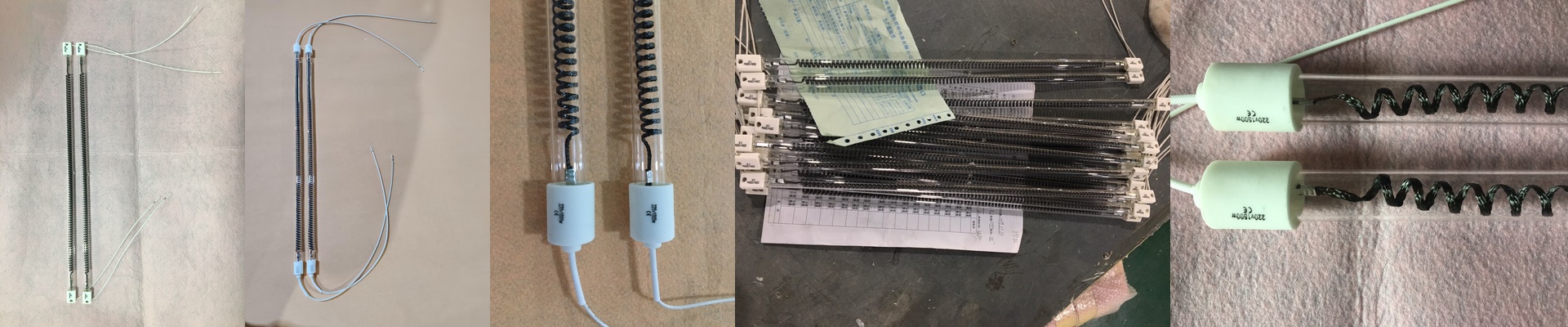
Let’s Talk Carbon Fiber IR Lamps
Ever get tired of waiting for your equipment to actually get hot? That’s where carbon fiber IR lamps come in. Instead of the old-school metal coils, these use a carbon filament tucked inside a quartz tube. The big win here is speed. They hit their temperature almost instantly. No more standing around waiting for a housing to warm up before you can actually start working.
Getting the Power Right
Depending on how much space you have and what you’re building, the wattage and voltage will vary. If you’re doing something heavy-duty—like PET blowing or rapid curing—you’ll probably be looking at high-wattage tubes (2000W+) running on 230V or 400V lines. Just a heads-up: make sure your voltage matches your transformer. If you get this wrong, you’ll fry the filament. Plus, while higher voltage lets you use longer tubes without losing stability, it does put a bit more stress on your insulation. Keep an eye on that.
The Nitty-Gritty: Glass and Plugs
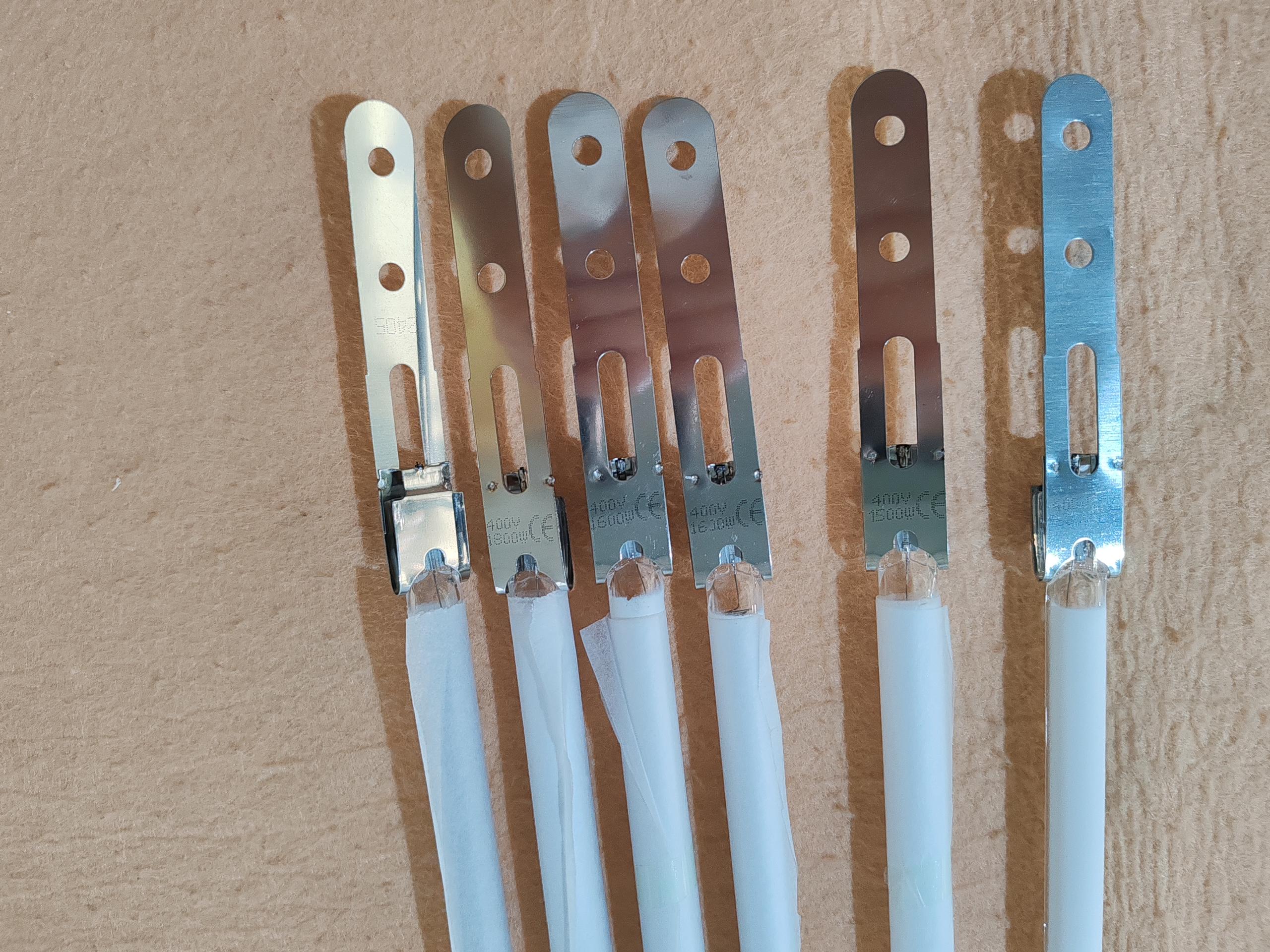
The quartz glass does the heavy lifting as the thermal barrier. We often add special coatings to that glass. Why? Because it helps the heat actually soak into your material instead of just scorching the surface and leaving you with a ruined product. For the connections, we stick with R7s or Sk15. They’re basic, reliable, and fit right into most industrial ovens. They stay put, too. You don’t want your lamps rattling loose while your production line is screaming along at full speed.
The Trade-offs (Because nothing is perfect)
These things are great for shrink-wrapping or conveyor drying because they’re fast and don’t take up much room. But there’s a catch. Because the heat flux is so intense, your reflectors have to bespotless. Seriously. A little bit of dust or a few oil smudges can kill your efficiency and create “hot spots” that mess up your product. Also, don’t forget about the airflow. Make sure your cooling fans are beefy enough to handle the heat around the sockets, or you’ll find your wiring degrading faster than you’d like.