


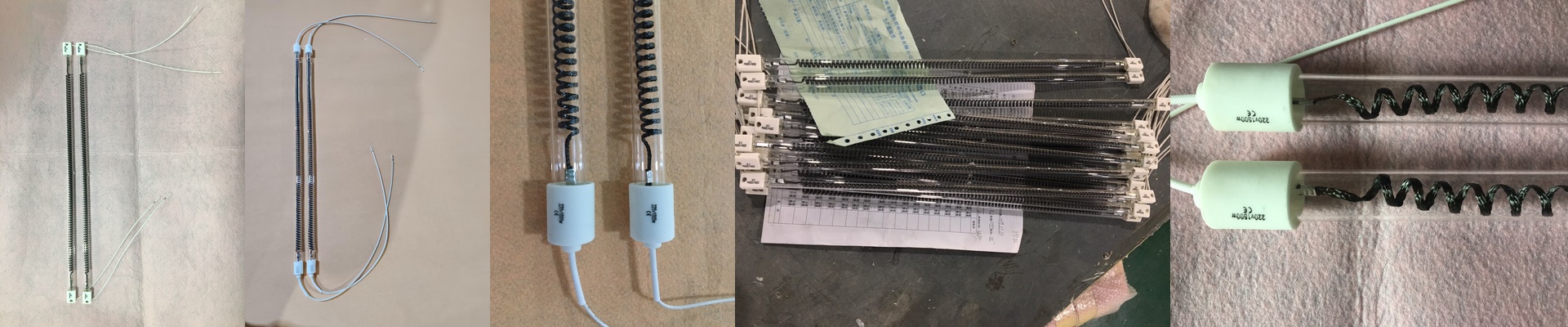


Let’s talk about Electric Carbon Rod Heaters
If you’ve ever used a standard resistive coil, you know the drill—you wait and wait for things to warm up. Carbon rod heaters are different. They use short-wave infrared emission, which is basically a fancy way of saying they blast high-density heat directly into whatever you’re working on. We wrap a carbon-based element in a quartz tube, and the result is a heater that hits its operating temperature fast. Really fast. And because the radiation penetrates deeper into the material, you aren’t just heating the surface; you’re getting into the core of the stuff. Getting the power right When we’re spec-ing these out, it all comes down to your power grid. We look at the wattage and voltage to make sure everything lines up. Here’s the thing: higher voltage lets us push more power through a shorter rod without frying the leads. But if you’re running a high-wattage setup, you’ve got to be careful. Make sure your wiring and contactors can actually handle that peak current. And a quick tip? These things get incredibly hot. If your housing doesn’t have decent ventilation, you’re going to end up burning out the components around the heater. The build and the “gotchas” That quartz tube isn’t just for show—it keeps the carbon filament from oxidizing and dying. Depending on what you’re doing, we can coat the glass to protect it from grime or shift how the heat is emitted. For the plugs, we stick to the basics like R7s or Sk15. Why? Because when a lamp finally gives out, you want to be able to just pop a new one in and get back to work. But watch out for loose fits. If the connector isn’t snug, you’ll get arcing at the terminals. That’s a one-way ticket to a dead heater. Where this actually matters You’ll see these all over PET blowing machines and curing ovens. In those worlds, speed is everything. The best part is that you don’t have to wait for the air in the oven to get hot first. The energy transfers directly. It’s efficient and immediate. Just a heads-up: these rods are powerful. If you place them too close to your workpiece, you’ll scorch the material. Spend a little time calibrating your focal point so you get a perfect heat without the burn marks.