

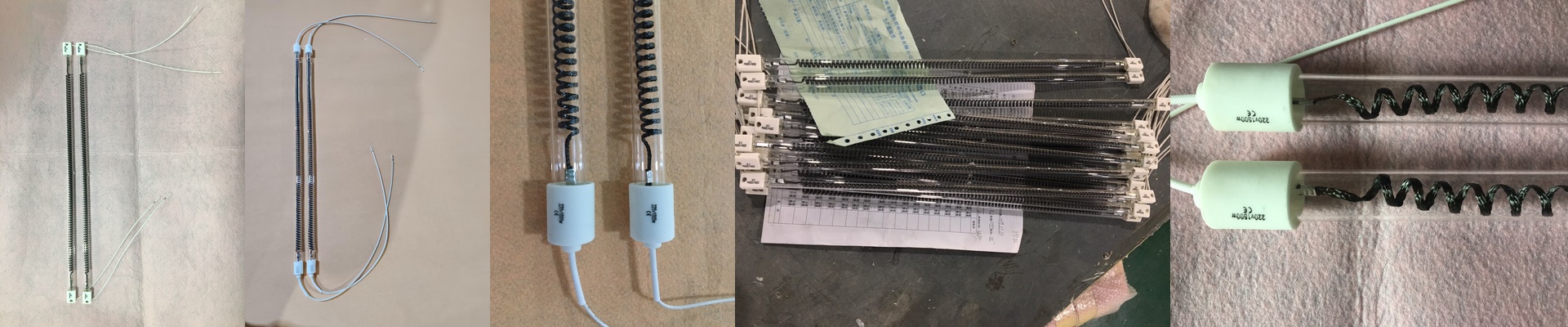


Let’s talk about Carbon Fiber Heating Tubes
If you need a ton of heat and you need it now, carbon fiber tubes are your best bet. Basically, we take a carbon filament, tuck it inside a quartz glass tube, and let it rip. The cool part? They don’t have to get nearly as hot as those old-school metal coils to push out a massive amount of infrared energy. It’s just more efficient. Getting the power right When we’re figuring out the wattage and voltage for your setup, we’re looking at how to keep things consistent. If you’ve got a longer tube, you’ll want a higher voltage so the temperature doesn’t just tank as you move down the line. Just a heads-up: if you’re running a high-wattage rig, your power supply needs to be ready for that initial “cold start” surge. These things hit operating temperature in seconds. It’s fast. Really fast. But that means you’ve got to get your cooling fans dialed in, or the quartz could crack from the thermal shock. Nobody wants a shattered tube on day one. The build and the “gotchas” That quartz sleeve isn’t just for show. It keeps the carbon from touching oxygen. Without that seal, the filament would just burn up and vanish instantly. We use connectors like R7s or Sk15 so you can just pop these into your existing jigs without a headache. But here is the thing:**make sure the fit is tight.**If the connector is loose, you’ll get arcing, and that’s a quick way to fry your sockets. Where this actually helps You’ll see these a lot in plastic welding or PET bottle blowing. They’re great because they soften polymers with concentrated heat without turning the rest of your shop into a sauna. Since it’s radiated heat, you can keep your heating bank much smaller. One last tip: carbon filaments are a bit more fragile than metal. If your machine shakes or vibrates a lot, please use dampened mounts. Otherwise, you’re just waiting for the filament to snap.