



Infrared Drying for Brake Pad Coating: Shorten the Line, Speed Up Output
Ever felt like your brake pad coating line is held hostage by a slow-drying bottleneck? You know the drill: the oven takes forever, the line drags, and everyone just waits. Here’s the thing: the answer isn’t always to build a longer oven. It’s to build a smarter one. We designed our infrared drying system to deliver rapid, targeted heat, so you can actually shrink your footprint while ramping up your output.
The Power Behind the Heat
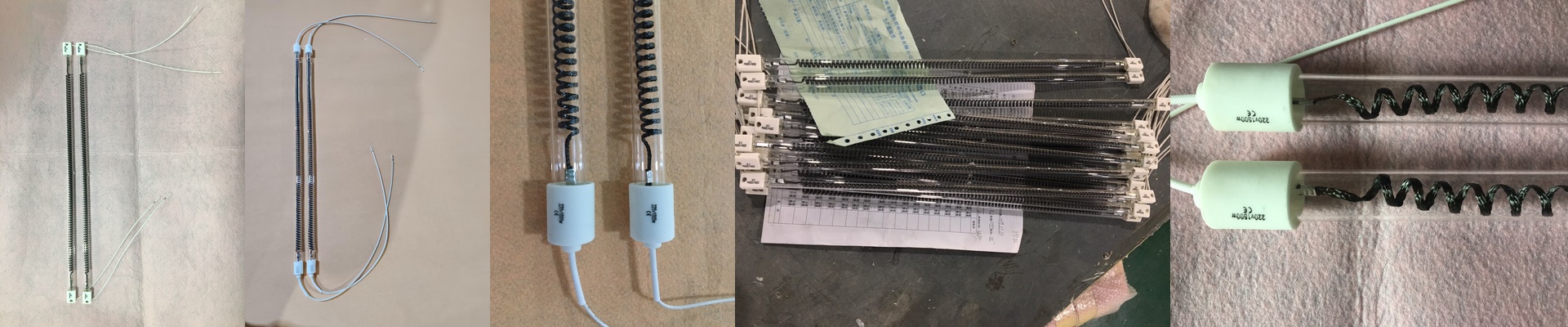
We focused on getting the most heat possible into the smallest possible space. That’s why the system runs on a 400V supply. It gives us the power we need for high wattage without overloading the wiring or controls. The payoff? The system heats up fast and holds a rock-solid temperature across the whole tunnel. We also fine-tuned the tube length to match your brake pad width and line speed, so you get even coverage without a giant, oversized machine. It means a smaller footprint and a much quicker drying time.
Built to Perform, Built to Last
The tube itself is quartz, filled with halogen, specifically engineered for intense infrared output and a lightning-quick response time. We also added a special coating to the tube that helps manage heat loss and keeps the surface temperature steady. That stability is huge. It makes the process repeatable and protects everything else around it from getting cooked. And for the connection? We went with an R7s connector. It’s a proven industrial standard, which means installation is clean and simple. No custom brackets needed. Just a secure, low-resistance connection that’s a direct drop-in for standard mounts and holds up to the daily stress of heating up and cooling down.
What It Feels Like on the Floor
On the line, you need a cure that’s consistent without scorching the part. Infrared hits the coating directly, so the energy goes exactly where it needs to. The result is a shorter drying tunnel that still meets your cure specs. That frees up floor space and cuts down on conveyor length. You end up with a higher hourly output and fewer headaches from jammed-up lanes. Now, with this kind of heat density, you do need to plan for proper cooling and ventilation. It keeps the electronics and sensors from running too hot. But if you get that sorted, you’re left with a drying stage that’s fast, reliable, and keeps up with the rest of your line without breaking a sweat.