



Stop Wasting Floor Space on Your Curing Tunnels
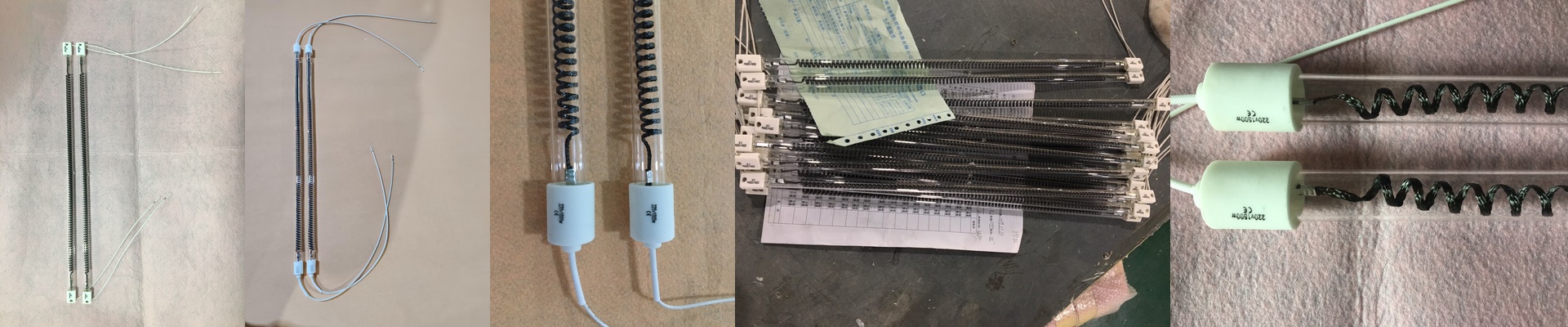
If you’re using old-school convection ovens for your brake lining coatings, you know the struggle. You end up with these massive, winding tunnels just to make sure everything cures properly. It eats up your floor space and drags out your cycle times. We do things differently. We swap those slow ovens for shortwave quartz infrared (IR) heaters that push heat straight into the coating. How it actually works Here’s the thing: shortwave IR doesn’t bother heating up the air around the part. Instead, it goes right after the molecules in the coating. It’s fast. Really fast. We’re talking seconds instead of minutes. Because the energy transfer is direct, you can usually chop your tunnel length by 30% to 50% and still get the same amount of product out the door. The nitty-gritty details We use high-purity quartz glass for the lamps. Why? Because they can handle the shock of jumping from cold to hot over and over again without cracking. Depending on what your factory is wired for, we can set these up for 230V or 400V. Now, a word of caution. High-wattage tubes are great for thick linings, but you can’t just crank them to the max. If you push too much heat into a tight space, you’ll scorch the surface before the core is even cured. It’s all about finding that sweet spot between your lamp spacing and how fast the conveyor is moving. Keeping things running Nobody likes downtime. That’s why we use standard industrial connectors. If a lamp burns out, you just pull it and pop in a new one. No need to tear apart the whole heating bank. One tip: keep those quartz tubes clean. Dust and resin buildup act like a shield, blocking the IR waves and creating annoying hotspots. A quick, regular wipe-down is all it takes to make sure the heat hits every brake pad evenly.