

Getting Brake Pad Bonding Right (Without the Headaches)
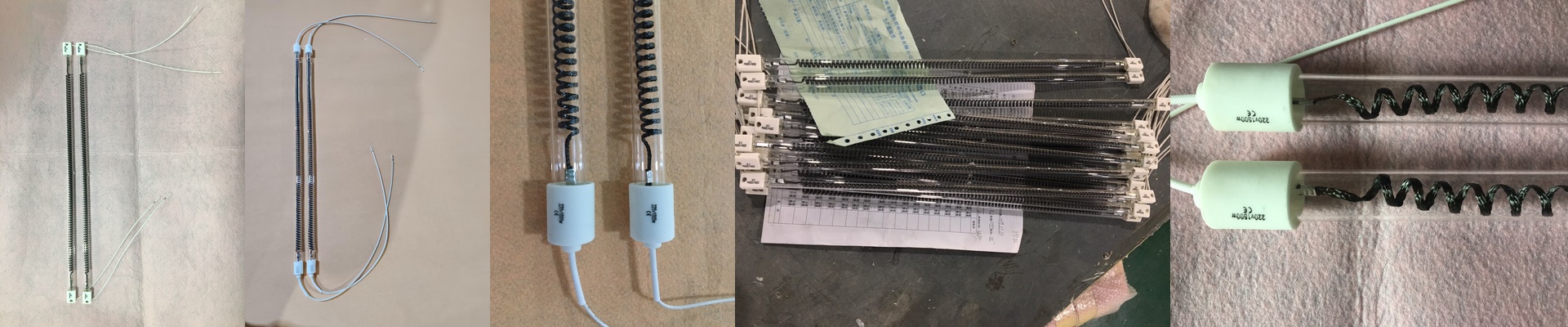
If you’re running a brake pad line, you know the drill. You need that friction material to stick to the backing plate perfectly, every single time. That means your thermal cure has to be spot on. We build our IR modules for the people running these lines 24/7. You don’t have time to babysit your equipment or worry about power drift in the middle of a night shift. The battle against power drift Here’s the thing: when you run a line around the clock, things get hot. Really hot. That heat causes the quartz tubes to expand, which messes with the resistance and makes your power fluctuate. If your wattage jumps around, your curing depth changes. That’s how you end up with “under-cure” spots or, worse, parts that just don’t bond. It’s a nightmare. To stop that, we spec our filaments to match your plant’s actual voltage—whether you’re on 230V or 400V. We keep the output flat and steady so you can stop messing with the PID controllers every few hours. Gear that actually lasts Factories are dusty, loud, and rough on equipment. We use heavy-wall quartz glass because thinner tubes tend to bow under their own weight during long runs. And we didn’t skimp on the connectors. We use industrial-grade stuff that won’t vibrate loose or rust over time. Plus, these are drop-in replacements. You can swap them out quickly without having to rewire your entire rack. It just works. The heat trade-off Now, there is a catch. High-wattage modules are great because they ramp up fast, which keeps your cycle rates high. But pushing that much heat into a small space makes the housing get incredibly hot. You’ve got to make sure your cooling fans and heat sinks are up to the task. If the housing overheats, your wiring insulation will fry, and then you’ve got a real problem on your hands. At the end of the day, it’s all about stability. You get a consistent thermal profile across the whole brake pad, and every single part leaving the line is bonded exactly the way it should be.