


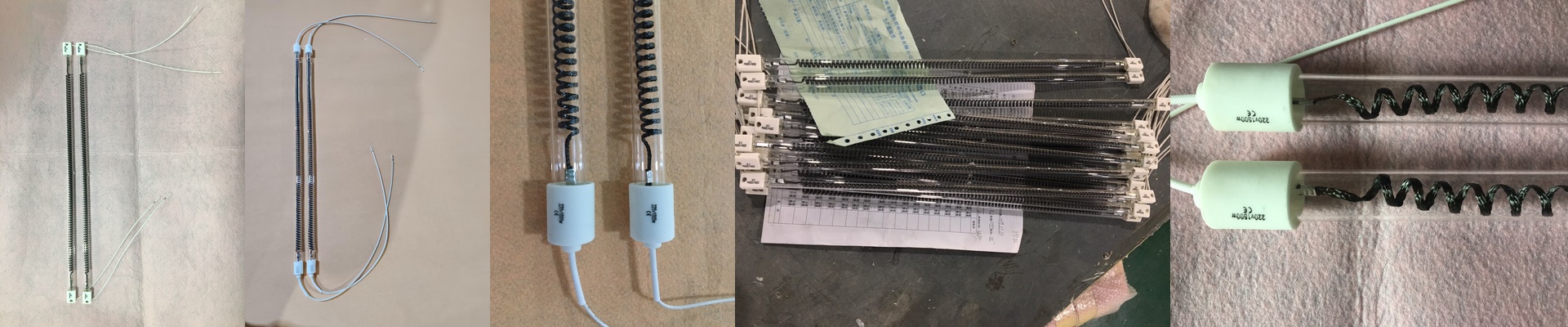

Ever wonder why some brakes just won’t stop squealing? Honestly, the problem usually starts way before the pads ever hit a car. It happens in the curing oven. Here’s the deal: most shops use standard convection ovens. They heat the outside of the material first, but the core stays cold. You end up with a pad that’s cured unevenly, creating internal stress and weird density spots. When you hit the brakes, those inconsistencies vibrate. That’s where that annoying noise comes from. We handle this differently. We use short-wave infrared (SWIR). Instead of just baking the “skin” of the pad, short-wave IR dives deep. It hits the resin molecules throughout the entire thickness of the material all at once. The core and the surface reach the right temperature together. You get a solid, uniform piece of material, which basically kills the root cause of that noise. To make this work, you need some serious power. We use high-wattage quartz halogen lamps that hit full temp in a matter of seconds. The best part? You aren’t wasting money heating up a giant room of air. You’re heating the actual part. Just a heads-up: this much power puts a real strain on your electrical system. If you’re running a multi-zone tunnel, make sure your power supply is rock solid. If it’s not, you’ll deal with flickering or tubes burning out way too fast. We also know that downtime is a nightmare. That’s why we designed these lamps for quick swaps. They use standard connectors, so you can just plug them in and get the line moving again without needing a fabrication team to build a custom bracket. Now, there is a catch. Short-wave IR is aggressive. If your conveyor belt is off by even a few seconds, you can scorch the surface. You have to be precise with your belt speed and lamp height to match the weight of your material. It takes a bit of tweaking to get it right, but once you’ve dialed it in, the consistency is night and day.