


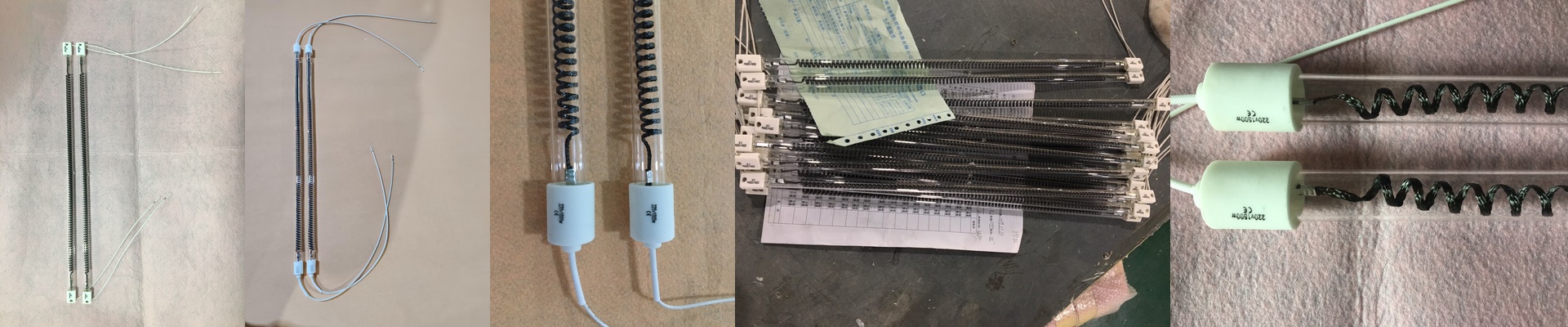

Why we use carbon fiber for sauna heaters
Ever notice how some saunas just feel… different? Like the heat actually gets into your bones instead of just baking your skin? That’s where carbon fiber comes in. Most old-school heaters use NiCr wire coils. Those get screaming hot on the surface to push heat into the room. Carbon fiber is a different beast. It works at lower temperatures but puts out far-infrared (FIR) waves. Instead of just scorching the air around you, this kind of heat sinks deep into your muscles and tissues. It’s a much more natural, penetrating warmth.
Getting the power right
Now, from a technical side, carbon fiber is a semiconductor. When we plug it in, the material turns electricity into heat through the fiber matrix. We spend a lot of time figuring out exactly how many watts per meter we need. If we get it wrong, the sauna either takes forever to warm up or you risk tripping a breaker. One thing to watch out for: you’ve got to match the voltage of the element to your power supply. If they don’t line up, the element will either be weak or just burn itself out. Also, carbon fiber behaves differently than metal. As it heats up, its resistance shifts. If you’re picking out a dimmer or a PID controller, you have to keep that shift in mind, or the temperature will jump all over the place.
The trade-offs
We usually tuck these fibers inside a heat-resistant polymer or a protective sheath. It keeps them from snapping if things get bumped around. But here’s the catch: there’s a bit of a “thermal lag.” If you’re looking for that instant, blinding flash of heat you get from a quartz lamp, this isn’t it. Carbon fiber takes a minute to get going, but once it does, it provides a steady, deep soak that lasts.
Pro tips for installation
We designed these to be easy drop-in replacements for older setups. But please, be careful with the mounting brackets. Don’t pinch the sticks. A single kink in the fiber creates a hot spot, and hot spots are where the elements fail. One last thing: clear out any dust or flammable bits before you flip the switch. That first “burn-in” period can get a little smoky if the area isn’t clean.