
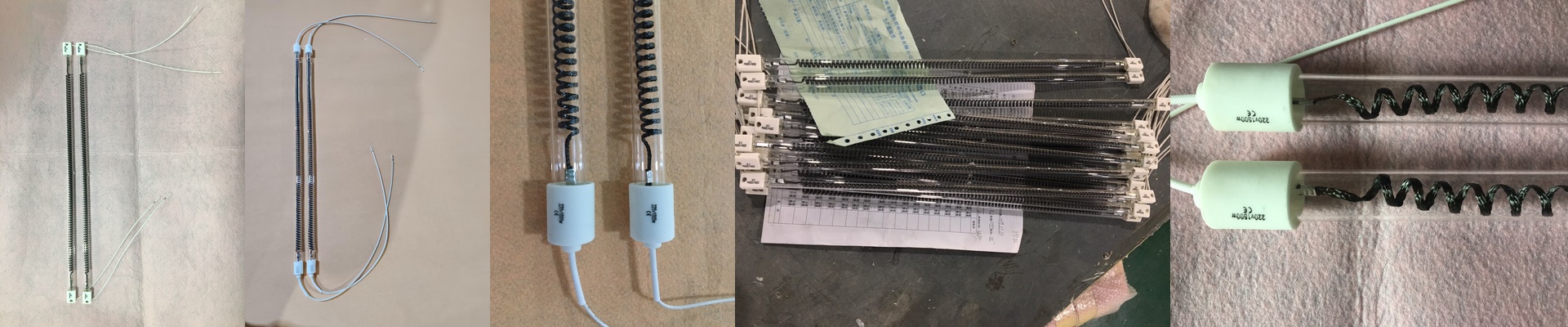


Let’s Talk About Quartz Tube Carbon Fiber Heating Lamps
We build these lamps for one reason: you need high-intensity infrared heat, and you need it now. Instead of the old-school metal coils you’ve probably seen a thousand times, we use a carbon fiber filament tucked inside a high-purity quartz tube. It changes the way the heat hits your materials, which basically means you can get your heating cycles done a lot faster.
Getting the Power Right
The heat you get mostly comes down to the voltage and wattage you pick. When you crank up the wattage, more current hits that carbon fiber, and the quartz tube gets hot—fast. Really fast. This is a lifesaver if you’re in a spot where you can’t afford to sit around waiting for a machine to warm up. But here’s the thing: if you squeeze a ton of wattage into a short tube, things get spicy. Your housing is going to feel that heat. Make sure your ventilation is actually breathing, or you’re just going to fry your wiring.
Why Quartz and Carbon?
We go with quartz because it’s tough. It can handle the shock of being turned on and off repeatedly without just cracking under the pressure. Inside, the carbon fiber is the real hero. It doesn’t stretch or sag like tungsten does when things get hot, so it stays put and keeps working. Plus, we use standard connectors. Whether you’re building something from scratch in your garage or just swapping out a part in a factory machine, it just clicks in. No fighting with the fit.
Real-World Use
You’ll see these things everywhere—PET blowing, curing paint, welding plastics. The beauty of radiant heat is that it goes straight to the part. You aren’t wasting energy heating up all the air in the room, which lets you keep your workspace smaller and tighter. One quick heads-up, though. Carbon fiber filaments are a bit picky about power. If your grid is jumpy or you get a lot of voltage spikes, you’ll want a stabilizer. Otherwise, those filaments can snap, and then you’re back to square one.