


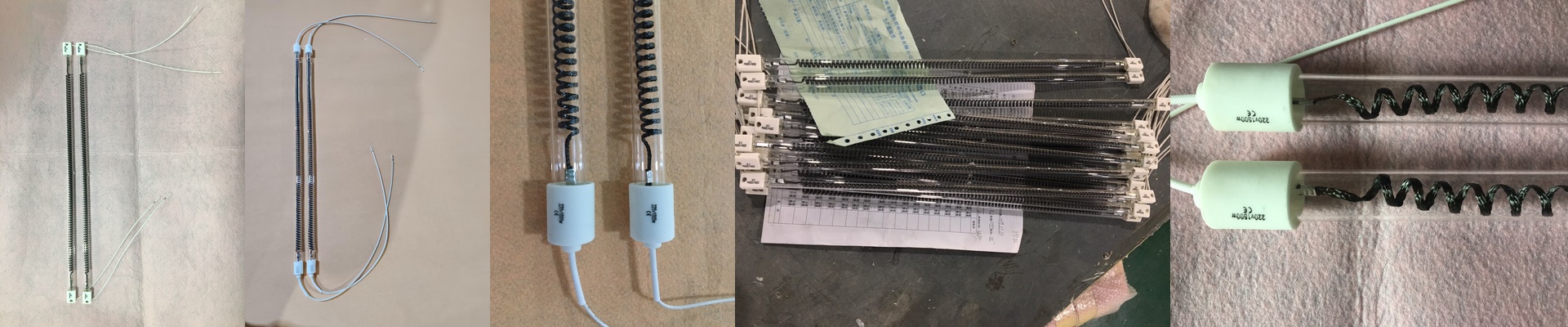

Keeping Your Brake Lining Heaters from Acting Up
If your curing process drifts, you’re in trouble. It’s that simple. When your heat output starts swinging, the resin doesn’t polymerize evenly, and suddenly you’re failing hardness tests. That’s a nightmare for anyone trying to run a line 24/7. To stop those power drops, we focus on two things: thermal mass and electrical stability. The battle with voltage Getting a steady flow starts with the electrical specs. We use high-wattage quartz lamps built for the long haul. Here’s the catch: when you cram that much power into a small space, you get an intense amount of heat. You need that intensity to punch through the brake lining material quickly, but you have to match your power supply to the lamp’s resistance perfectly. If the voltage spikes? You’ll fry the filament before its time. Gear that actually lasts We go with heavy-wall quartz glass for the tungsten filament. Why? Because in a long production run, cheap tubes bow under their own weight. We stick with shortwave radiation for these ovens. It’s just better. Instead of wasting time heating up the air inside the oven, the energy goes straight into the material. Plus, we use reinforced connectors. If you’re running a moving conveyor, you’ve got vibration. Vibration leads to loose connections. Loose connections create arcs, and arcs create heat that melts your housing. A secure, industrial fit keeps the current steady and your equipment intact. Real talk: The shop floor Let’s be honest—no lamp lives forever. Even the best quartz deals with filament evaporation over time. That’s just the price you pay for high-intensity output. Since the line can’t stop, we make these modules “drop-in” replacements. You can swap out a dimmed lamp in a few minutes without having to rewire the whole oven. It’s fast. Simple. One last tip: check your cooling fans. If the lamp ends overheat, you’ll see your lifespan get cut in half. Keep them cool, and they’ll keep working.