




Stop Wasting Floor Space on Your Brake Pad Ovens
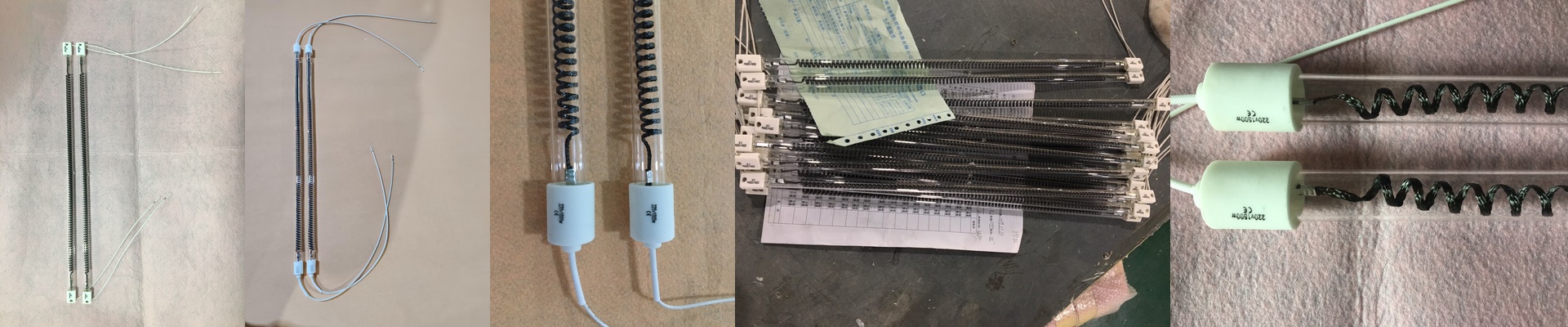
Let’s be honest: traditional convection ovens are huge. They eat up way too much room on the shop floor. The real problem is that they spend all their time heating the air first, and then hoping that air eventually warms up the coating. When you’re dealing with thick coatings, that’s just slow. We do things differently. We use shortwave infrared (SWIR) lamps. Instead of heating the air, these lamps hit the coating directly. It’s a shortcut. You can actually shrink the length of your tunnel oven without losing a single part per hour. Why it actually works It comes down to how the energy moves. Shortwave IR has a higher frequency, so it digs deeper into the brake pad material. You aren’t just baking the surface and waiting for the heat to crawl inward. The response is almost instant. It’s fast. Really fast. And that changes your whole workflow. You can either crank up the speed of your conveyor belt or just reclaim some of your warehouse space. The nuts and bolts We use quartz glass tubes with halogen filaments because they ramp up quickly. You don’t have to show up an hour early just to let the oven idle before the first shift starts. You flip the switch, and you’re ready to go. Now, there is a catch. To get that kind of heat flux for industrial resins, you’re putting a lot of stress on your reflectors. If they get dirty or pitted, you’re basically throwing energy away. You’ve got to keep them polished. If the beam isn’t focused, the cure isn’t consistent. It’s a small bit of maintenance that saves a lot of headache. Getting it set up We didn’t want you spending a whole day on repairs, so we made the lamps easy to swap. They use standard connectors. If a tube burns out, you pop it out and put a new one in. No need to rewire the whole rack. The trick to getting it dialed in is the balance between your lamp spacing and your belt speed. If the lamps are too close, you’ll scorch the surface. Too far, and you’ll find uncured spots. Here’s what we usually suggest: start with high intensity to flash off the solvents, then follow it up with a steady soak to finish the cure. That’s how you get it right every time.