

Keeping Your Brake Pad Curing Consistent
If your infrared modules start drifting, you’ve got a problem. It’s that simple. When the power fluctuates, the resin doesn’t cure evenly, and you end up with “soft spots” in the friction material. In this business, a soft spot is basically a structural failure waiting to happen. If you want a line that runs 24 hours a day without a hiccup, you have to obsess over two things: the IR emitter and the electrical load.
The fight against “Thermal Drift”
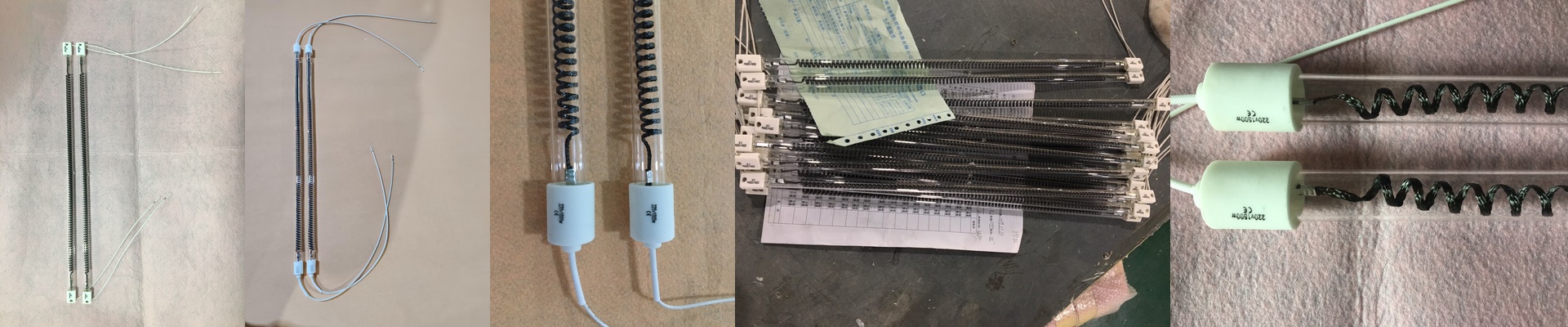
We use short-wave IR lamps because they move heat fast and heavy. But when you’re running 24/7, heat becomes your own worst enemy. That’s why we use high-grade quartz glass. It stops the tubes from warping under the pressure of constant heat. If the tube stays straight, the filament stays centered. If the filament stays centered, you get the same radiation pattern across the whole brake pad. No cold edges. No guesswork.
Stopping the “Pulse”
Power spikes and dips are a nightmare for batch consistency. To fix this, we pair the lamps with stabilized controllers that soak up those annoying voltage drops from the factory grid. Here is a pro tip: match your lamp’s wattage to the controller’s rating exactly. If you over-spec the power, the controller starts “hunting” for the right setting. You’ll see the heat pulsing, which ruins the cure. We stop that by tuning the heating element’s resistance to match your specific line voltage. It just stays steady.
Real world, shop-floor stuff
Let’s be honest: running these at full tilt for a day straight creates a massive amount of ambient heat. If your cooling blowers are too small, the housing overheats. Then the filament starts to degrade, your power output dips, and the lifespan of the lamp plummets.Check your fans. We also made these modules as drop-in replacements. When a tube eventually burns out—and they will—you can swap it in a few minutes. No need to re-wire the whole rack or shut down the floor for half a day. Just one thing: make sure your connectors are tight. Loose terminals create hot spots, and nothing kills a production run faster than melted wiring.