




Getting Brake Pad Curing Right with IR Heating
Ever deal with thermal cracking or those annoying little pores inside a brake pad? It usually happens because the heat is playing favorites. When the outside cures way faster than the core, the material starts fighting itself, and that’s where the stress builds up. We use shortwave infrared (IR) lamps to fix this. It’s all about controlling how fast the heat ramps up and how deep it actually sinks into the material.
Stopping the Cracks Before They Start
If you hit the material too hard and too fast, you’re asking for trouble. You get these “hot spots” where the resins flash off instantly, leaving behind holes that make the whole pad weak. Not ideal. The trick is getting the energy density consistent across the whole surface. We do this by tweaking the wattage and the distance between the lamp and the pad. You want a steady flow of heat, not a shock to the system.
The Gear and the Heat
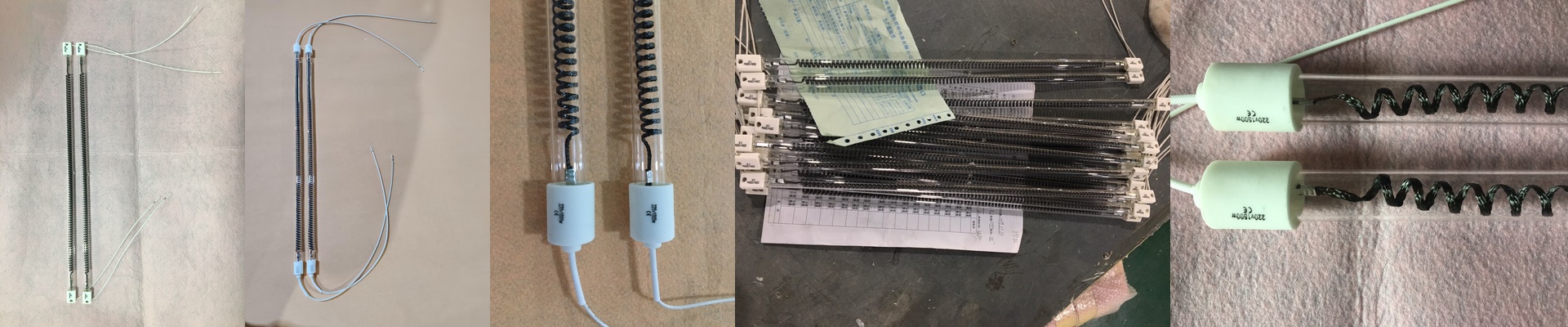
We usually go with quartz-halogen elements. The best part? They have almost zero thermal inertia. They snap on and off instantly. This means your PLC can throttle the power in real-time based on what the thermocouples are telling you. It keeps your temperature window tight. One heads-up, though: high-wattage IR arrays gethot. Really hot. If you don’t get your cooling fans and venting dialed in, the ambient heat will start drifting your setpoints. And that’s how you ruin a whole batch.
Building a Stronger Pad
When IR curing is done right, the bonding agents cross-link evenly. No soft spots. No voids. Just a solid piece of material that won’t crumble when a driver slams on the brakes. We spend a lot of time focusing on wavelength penetration. The goal is to get the core up to temperature without scorching the surface. When you find that balance, you get a dense, crack-free structure that actually lasts.