



Keeping Your Cows Warm with Carbon Fiber Heat
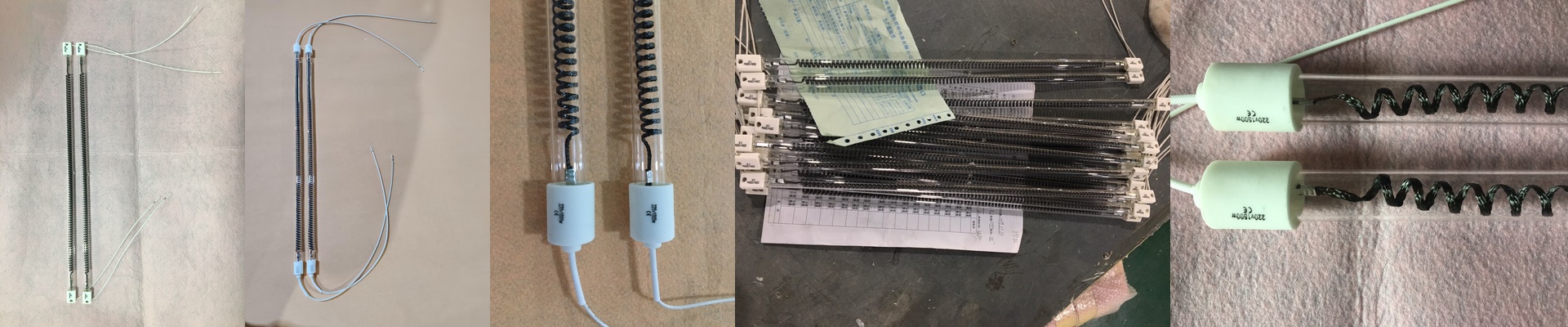
Let’s be honest: heating a whole barn is a nightmare. It’s expensive, and half the heat just drifts up to the ceiling where it does nothing for the animals. That’s why we use carbon fiber filaments tucked inside quartz. Instead of trying to warm up the air, these lamps send shortwave infrared heat straight through a cow’s coat. It hits the body directly. It’s like stepping into the sun on a crisp morning—you feel the warmth instantly, even if the air around you is still chilly. The Power Stuff When you’re picking out lamps, just look at how much space your animals have and how cold your barn actually gets. Most of these run on a standard 220V-240V circuit. The best part? There’s no waiting around. The second the thermostat clicks on, that carbon filament hits its peak temperature.It’s fast.Really fast. No more waiting for a slow coil to warm up while your livestock are shivering. Built for the Barn Barns are tough environments. You’ve got dust, moisture, and those nasty ammonia gases eating away at everything. We wrapped the filaments in quartz to keep the gunk out, and we beefed up the end-caps so you don’t accidentally crack the glass during install. Plus, carbon fiber handles “thermal shock” way better than the old tungsten bulbs. It can switch on and off all day without burning out. A Few Things to Watch Out For If you’ve already got industrial sockets for old halogen bulbs, you can just swap these right in. It’s pretty simple. But here’s the thing: this heat is intense. Because it’s so concentrated, you can’t just hang them anywhere. Keep them well away from plastic fixtures or dry bedding—you don’t want a fire hazard on your hands. And definitely don’t mount them too low. You want the cows warm, not scorched. Just find that sweet spot with the height and wattage to keep things safe. Oh, and make sure you’ve got some decent ventilation going so heat doesn’t just pool at the ceiling.