




Getting Your Infrared Lamp Layout Right for Paint Curing Walls
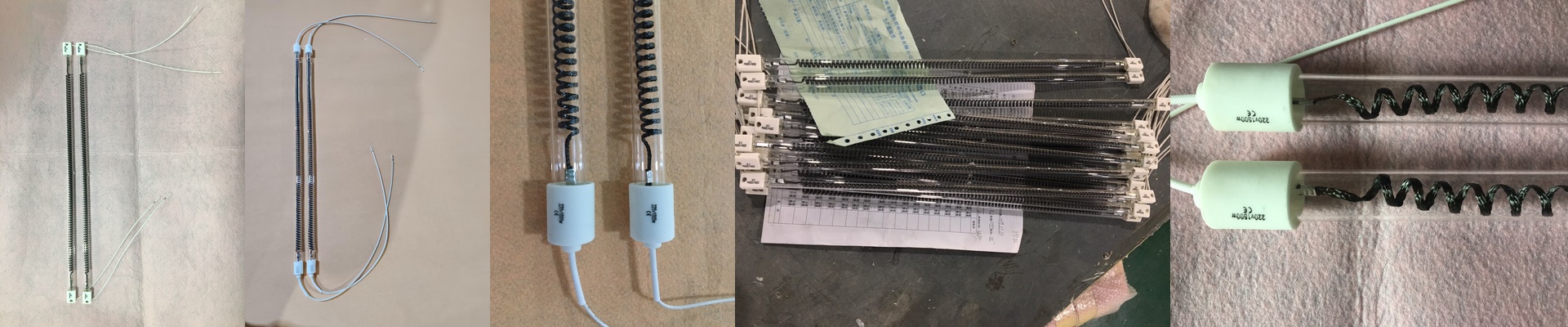
If you’re building a heating wall for a paint booth, don’t just throw lamps at the wall and hope for the best. It doesn’t work that way. Think about the cars coming through your line. You’ve got low-slung coupes one minute and chunky SUVs the next. They all cast different “thermal shadows.” If your lamps are just stuck in one static pattern, you’re going to end up with cold spots on the lower sills or, even worse, scorched panels on the roof. Dealing with the heat flow We usually figure out the lamp spacing by looking at the target temperature and how far the emitter is from the car. Shortwave IR lamps pack a punch, but they’re finicky. You have to get the positioning just right. For shops running a mix of different models, a modular vertical array is the way to go. Here’s a tip: map out the vehicle’s height. The lower sections usually need higher wattage lamps because so much heat just leaks away toward the floor. Up top, you want a wider spread so you don’t fry the roof. We like to use a staggered grid. It makes the infrared waves overlap, which stops those annoying “stripes” from showing up in the paint. The hardware headache Customizing these walls is always a balancing act between power and your electrical limit. High-wattage quartz tubes get the job done fast, but they’ll eat your power supply for breakfast. Plus, you’ve got to use high-temp cabling. If you don’t, the insulation will just melt. But wait, there’s a catch. The more lamps you cram in there to get a uniform heat, the hotter the whole booth gets. If your cooling system can’t keep up, you’ll flash the solvent too quickly. That’s how you get pinholes or that dreaded “orange peel” texture. Not a great look. A bit of advice for the build When you’re putting the frame together, for the love of everything, leave room to move things. Fixed mounts are a nightmare. Use sliding rails instead. That way, when your product mix changes, you can just shift the vertical layout around. It turns a rigid, stubborn oven into a tool that actually works with different chassis types without you having to rebuild the whole thing from scratch.