
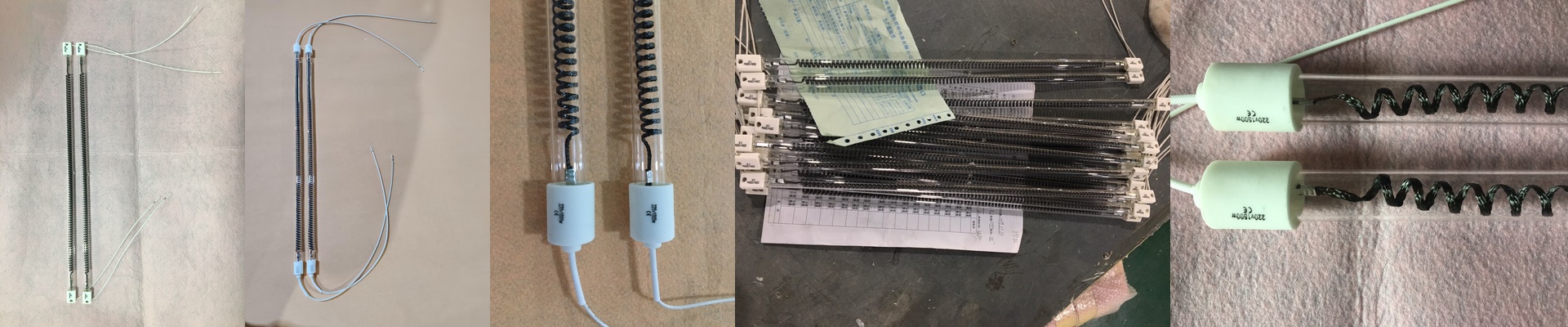


Let’s Talk About Carbon Fiber Heat Lamps
If you’ve ever looked at a carbon fiber infrared lamp, it basically looks like a quartz tube with a carbon filament inside. But the magic is in how it throws heat. Instead of that slow, creeping warmth you get from old-school metal coils, these things hit hard and fast with short-to-medium wave emissions. We build them for the jobs where you can’t afford to wait around for things to warm up. The Power Stuff When we’re figuring out the specs, it all comes down to wattage per millimeter. Think of it like this: more wattage means a faster ramp-up. You flip the switch, and boom—your machinery is up to temp. It cuts out that annoying warm-up lag that kills your productivity. Just a heads-up: make sure your voltage (usually 220V or 380V) matches your power supply. If you get this wrong, you’re just asking for a burnout. We usually suggest high-voltage setups for the longer tubes. It keeps the heat consistent so you don’t end up with a cold spot right in the middle of the stick. What’s Under the Hood? That quartz glass isn’t just for show; it keeps the carbon filament from oxidizing and dying. Depending on where you’re using them, we can add special coatings to the glass. This helps tweak the heat spectrum or keeps the tube from getting ruined by chemical splashes on a messy shop floor. For the ends, we stick with R7s or Sk15 connectors. They’re simple, they’re fast to wire, and they hold tight. But be careful. If a connector isn’t seated perfectly, you’ll get arcing. One spark and the lamp is toast. Real-World Use (and the Catch) You’ll see these all over the place—PET bottle blowing, plastic welding, drying lines. They’re great because they’re slim and put the heat exactly where you need it. But here’s the thing: carbon fiber is a bit more fragile than tungsten. If your machine shakes a lot or takes a few hits, these tubes can snap. To keep them from breaking, make sure your mounting brackets have some dampening. And don’t forget the airflow. You’ll want your cooling fans dialed in so the housing doesn’t just soak up all that heat and overheat.