
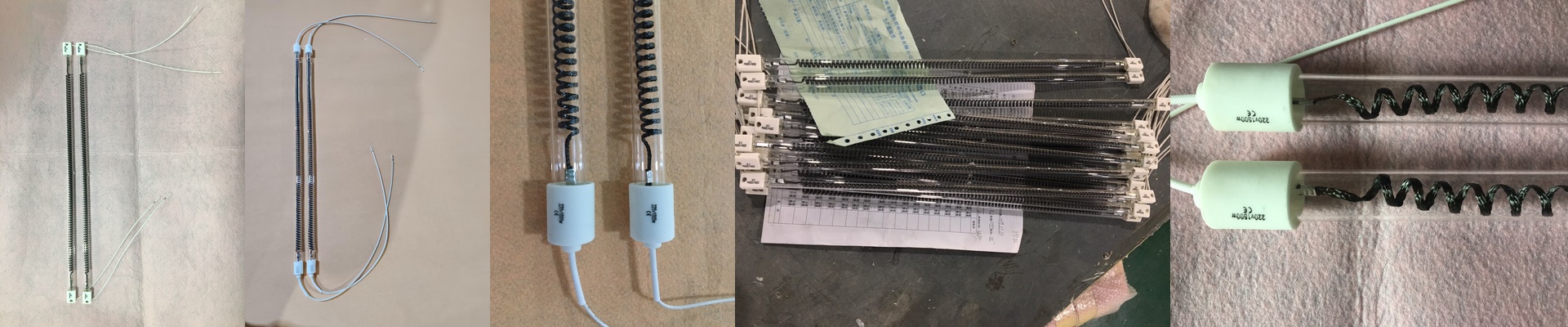


Getting Your Paint to Cure Faster with Carbon Fiber IR
If you’re running an industrial paint line, you know the drying phase is usually where things slow down. We use carbon fiber infrared (IR) lamps to fix that. Think of these as a serious upgrade over those old quartz heaters. Instead of just heating up the air around the part, these lamps use a carbon fiber filament that punches heat straight into the paint layers. It’s fast. Really fast. The Nitty-Gritty on Power The best part about carbon fiber is how quickly it hits those high temperatures. Depending on how fast your line is moving, you can pick the wattage and voltage that fits your setup. If you need those solvents to vanish in a few seconds, go for the high-wattage options. Just a heads-up: make sure your power supply is a perfect match for the lamp’s voltage, or you’ll be replacing burnt-out bulbs way too often. Also, if you’re squeezing these into a tight housing, don’t forget the ventilation. If the heat has nowhere to go, it’ll soak back into the lamp ends and kill them. Why the Build Matters We wrap the carbon filament in quartz glass. This keeps the filament from oxidizing while letting that shortwave IR radiation fly right through. One thing I love about these is the lack of “warm-up lag.” With old metal elements, you’re stuck waiting for them to get hot. Carbon fiber doesn’t do that. You can just flick the power on and off as parts move under the lamps. It saves energy and keeps things moving. Plus, we use standard connectors, so they usually just drop right into your existing arrays without a headache. Putting it to Work When you set these up in your curing tunnels, you’re targeting the coating itself, not the room. This means your drying oven doesn’t have to be a giant monster taking up half your floor space. It’s a lifesaver for powder coatings or liquid paints where you need that “skin-over” to happen instantly—mostly so dust doesn’t ruin your finish. But be careful. This heat is intense. If the lamp is too close to the workpiece, you’ll scorch the surface. It takes a little bit of tinkering with the distance and the conveyor speed to find that sweet spot where you get max speed without ruining the quality.