


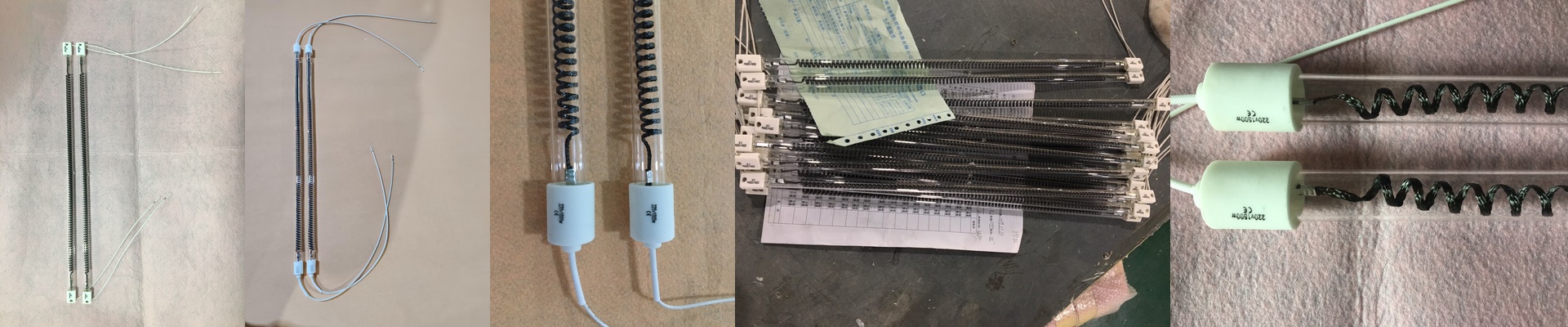


Getting a Handle on Carbon Infrared Lamp Heaters
If you’ve ever dealt with standard metal filaments, you know they have their limits. That’s where carbon infrared lamps come in. They use a carbon-fiber filament tucked inside a quartz tube to pump out some seriously intense heat. The magic here is the carbon. It lets us pack way more power into a tiny space. If you need your equipment to heat up instantly or you need to hit a very specific spot with heat, these are your best bet. Talking Power and Voltage When we’re picking these lamps, it all comes down to how much heat you need per square inch. But here’s the thing: high-wattage tubes are picky. They need a steady voltage supply, or you’ll burn out the filament way too soon. If you’re running 230V or 400V setups, make sure your power controllers are dialed in. You don’t want those nasty current spikes when you flip the switch. Also, keep in mind that while high-voltage tubes are absolute beasts at generating heat, they’ll warm up everything around them. Make sure your cooling system can actually handle the ambient heat in the housing, or you’re asking for trouble. The Build and the Wiring The quartz envelope isn’t just for show. It keeps the carbon filament from oxidizing while letting the heat radiation slide right through. Some of these even have special coatings to tweak the heat spectrum, which is great if you’re working with materials that are stubborn and hard to heat. As for the wiring, we usually stick with R7s or Sk15 connectors. They’re basically plug-and-play for most industrial ovens. I especially like the R7s clip-in design. When a tube pops on the shop floor, you can swap it out in seconds. No one likes standing around while the line is dead. Real-World Use You’ll see these everywhere—PET blowing machines, curing paint on cars, welding plastics. The carbon element gets hot fast. Much faster than those old-school resistive heaters. That means shorter cycle times and more parts out the door. But a word of caution: these things are fragile. If your assembly line shakes or vibrates too much, you’re going to end up with cracked quartz or a snapped filament. Do yourself a favor and tighten those mounting brackets. A little extra effort there saves you a massive headache later.