

Getting Your IR Heater Layout Right for Custom Paint Booths
If you’ve ever pulled a car out of a booth only to find the fenders are baking while the rocker panels are still tacky, you know the struggle. That happens when people treat heating walls like a generic appliance. The truth is, a one-size-fits-all layout just doesn’t work. To get that perfect, uniform cure, you have to actually look at the vehicle you’re painting.
Mapping Out the Heat
You can’t just space your lamps evenly and hope for the best. It doesn’t work that way. If you’re mostly working on SUVs or trucks, you’ve got a lot more vertical metal to deal with. In those cases, we pack more lamps into the mid-to-upper sections. But if you’re chasing the perfect finish on a low-slung sports car? You shift that density down. Here’s a pro tip: group your lamps into zones. Instead of one giant switch, wire the wall into separate circuits. That way, if you’re curing a low chassis, you can just kill the power to the top row. No point in heating the ceiling.
The Balance of Heat and Air
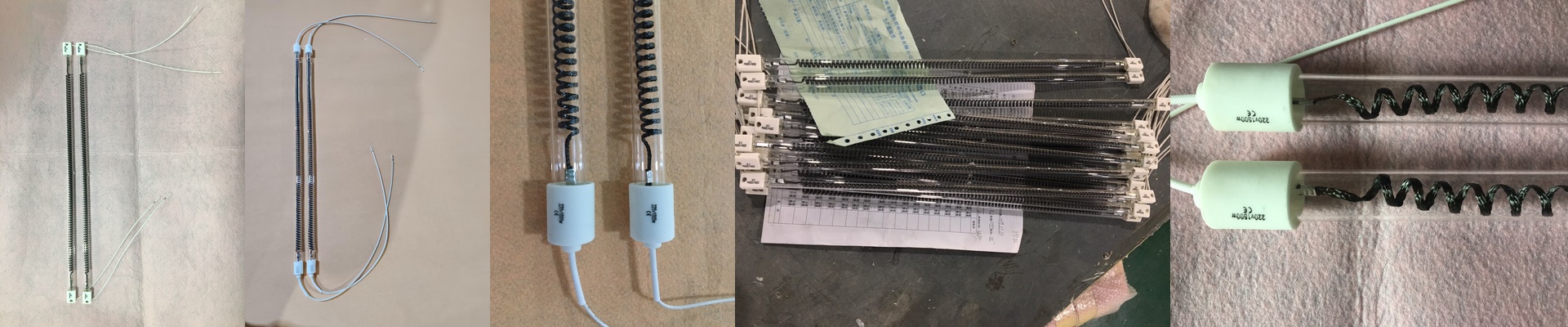
We stick with shortwave infrared emitters because they punch through paint layers fast. But they’re intense. Really intense. If you cram the lamps too close together, you’re asking for trouble—usually in the form of a scorched clear coat. You need a bit of a gap between those tubes to let the air move. It’s a bit of a trade-off. If you want the wall to sit further back from the car (which helps smooth out the heat), you’ll need a tighter lamp pitch. Just keep in mind that this makes your booth footprint a bit larger.
The Practical Side of Things
Customizing your layout means your electrical panel has to be up to the task. Adding separate relays for different zones makes the wiring a bit more complex, sure. But it beats wasting a ton of electricity on empty air. And don’t forget about your ventilation. High-density arrays put a massive load on your cooling system. If you can’t pull that ambient heat out of the booth fast enough, your lamps are going to overheat and burn out way sooner than they should. It’s all about finding that sweet spot where the heat hits exactly where it needs to, and the air keeps everything from melting down.