

Stop Guessing with Your Paint Booth Heat
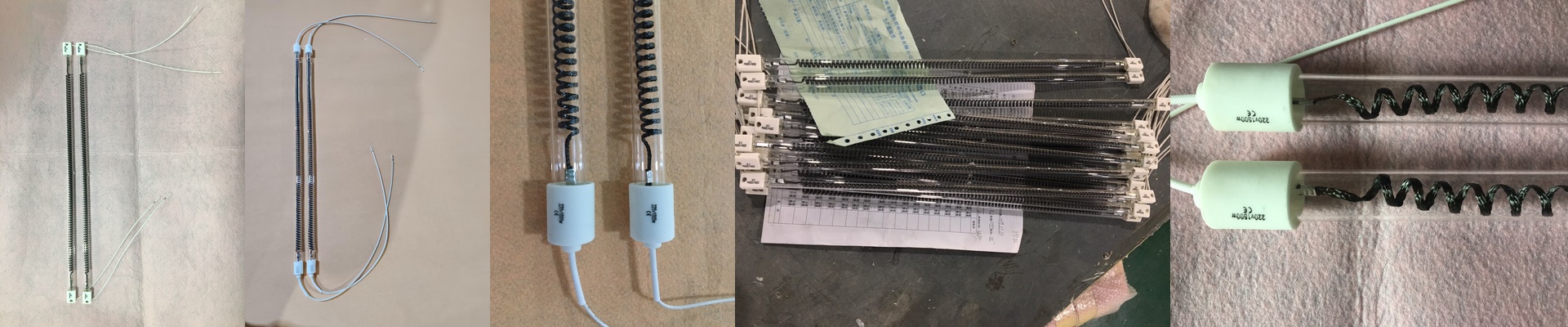
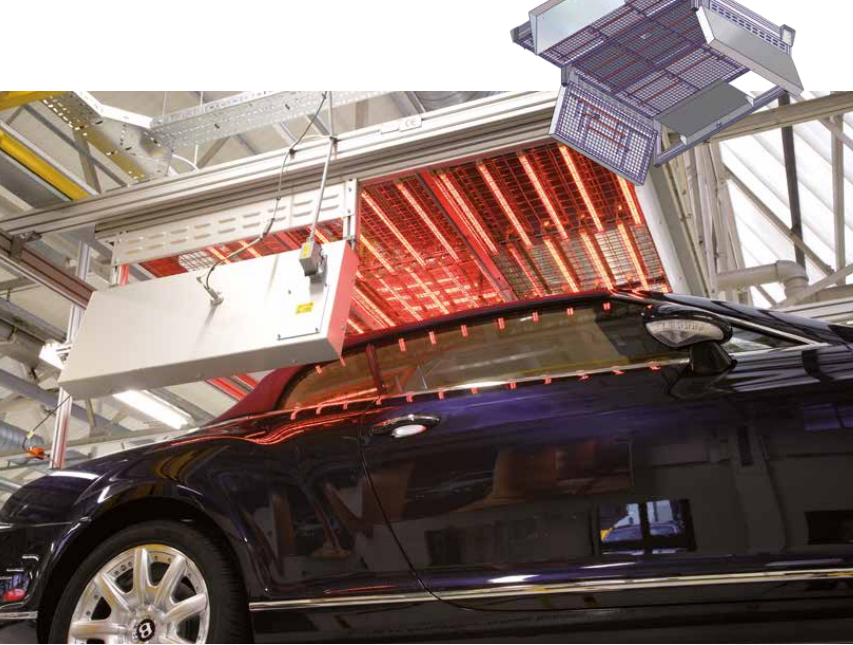
Here’s the big headache when you’re designing heating walls for paint booths: cars aren’t one-size-fits-all. You can’t treat a tiny coupe the same way you treat a massive SUV. If you just space your IR lamps evenly across the wall, you’re asking for trouble. You’ll end up with cold spots on the roof of a truck and scorched panels on a low-slung sports car. It’s a mess. Getting the spacing right The trick is to play with the vertical pitch of the emitters. We’ve found that the bottom third of the wall needs more muscle because the floor just sucks the heat right out of the air. So, we cluster the lamps. By packing more power into the mid-to-lower sections, the heat actually hits the chassis and the lower sills. Plus, you aren’t accidentally baking the roof of a small car just to get the bottom warm. Smart zoning We don’t just wire everything into one giant circuit and hope for the best. That’s a waste of money. Instead, we split the wall into vertical zones that you can control independently. It’s simple. Got a small sedan? Just kill the top zone. Got a huge SUV? Crank the whole array. It keeps you from paying to heat empty air. The hardware side of things Now, high-wattage shortwave lamps are great because they heat up fast. That’s what keeps your shop moving. But there’s a catch. That kind of intensity puts a lot of stress on your electrical panels. You have to make sure your wiring and contactors can handle that initial “hit” of power. If your supply isn’t rated for the peak load, you’re going to be tripping breakers the second the system kicks in. One last tip: go with reinforced quartz glass. These tubes go through a lot of thermal expansion every time they click on and off. The reinforced stuff keeps them from snapping under the pressure.