

Dealing with the Headache of Brake Pad Curing
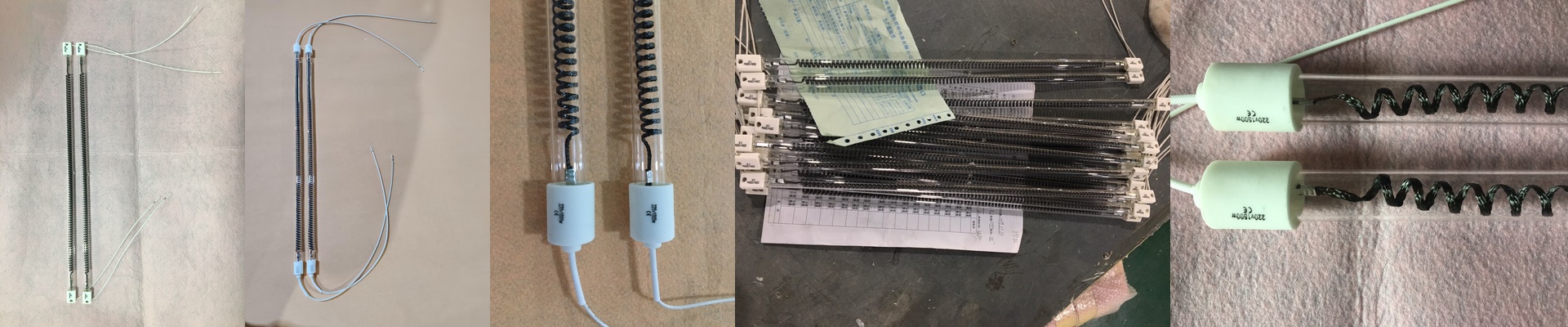
Curing brake pads is a bit of a tightrope walk. If you crank the heat too high, too fast, or leave a few cold spots in the mold, the resins start gassing out all over the place. You end up with internal holes and those annoying thermal cracks on the surface. We stopped fighting with standard convection ovens and switched to precision infrared (IR) heating. It lets us hit those narrow temperature windows without the guesswork.
Why IR Actually Works
Here’s the thing: convection relies on air, and air is honestly a terrible conductor. IR is different. It dives straight into the friction material. By tuning the wavelength to match the resins, we can get the core of the pad to heat up at the same speed as the surface. No more “thermal gradients”—which is just a fancy way of saying the outside doesn’t cook before the inside, saving you from those structural cracks. But you have to be careful. It’s a balancing act between your wattage and how fast the conveyor is moving. Go too heavy on the heat and you’ll char the surface while the center stays raw. Too light? Your pads will fail the shear tests, and nobody wants that.
Stopping the “Skin” Effect
Ever see those tiny bubbles or pores in a pad? That happens when the outside hardens into a “skin” too quickly, trapping organic compounds inside. We handle this by zoning the IR control. Instead of hitting it with everything at once, we start with a low-intensity soak. This gives the gases a chance to breathe and escape before the matrix locks everything in place. You’ll need a solid PID controller for this. If your sensors are slow or your elements overshoot by even 10°C, you’re looking at warped backing plates.
The Trade-offs
The good news? Switching to IR cuts your curing time way down. It’s fast. Really fast. But there’s a catch. IR is line-of-sight. If your lamps aren’t positioned perfectly to cover every inch of the pad, you’ll get uneven shrinkage. You’ve got to be obsessive about the lamp spacing, otherwise, you’ll see “zebra striping” in your thermal profile, and you’ll be right back where you started.