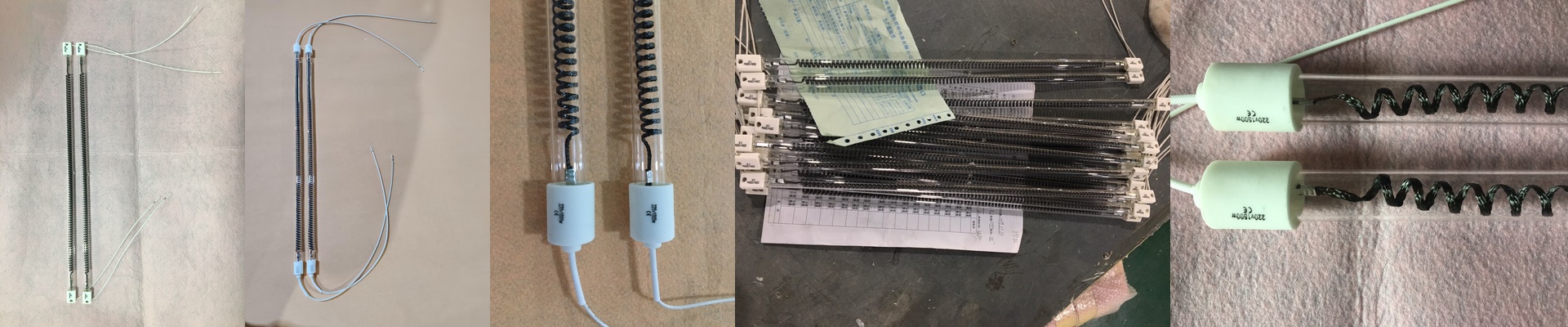


Getting the Heat Right: The Struggle with Vertical IR Distribution
When we’re building a custom heating wall for a paint booth, the real headache isn’t just getting the booth hot. It’s making sure that heat actually hits the car in the right spots. Think about it. You’ve got everything from tiny, low-slung sports cars to massive, high-roof SUVs coming through. That means the gap between the car body and the heating lamps is always changing. The spacing game Here’s the thing about IR energy: distance is everything. If your lamps are too far apart, you end up with “cold spots” on the panels. But if you crowd them too close? You’re risking a scorched clear coat, and nobody wants that. We handle this by figuring out exactly where those radiation cones overlap. Usually, we set the vertical spacing based on the tallest vehicle you’ll ever bring in. We stick with shortwave IR lamps because they dig deeper into the paint layers. It’s faster. Much faster. Which means the car spends less time sitting around and more time getting out the door. Ditching the “one size fits all” approach A standard grid just doesn’t cut it for a mixed fleet. Instead, we split the wall into zones—upper, middle, and lower banks. This lets you toggle the power based on what’s actually in the booth. There’s no point in blasting heat at the floor when you’re curing the roof of a van. Plus, we house the lamps in reflective aluminum. It’s a simple trick, but it bounces that wasted energy right back onto the target. The messy side of engineering Now, these high-intensity arrays aren’t exactly “plug and play.” They put a massive strain on your electrical panel. We use heavy-gauge cabling because voltage drops are a nightmare you don’t want to deal with. Then there’s the heat soak. These lamps heat the paint instantly, but the booth structure itself starts soaking up all that thermal energy. If your ventilation isn’t dialed in to clear out that trapped hot air, your curing will be uneven. It’s a balance. You need the heat, but you need it to move.