


Getting Your Brake Pad Curing Right
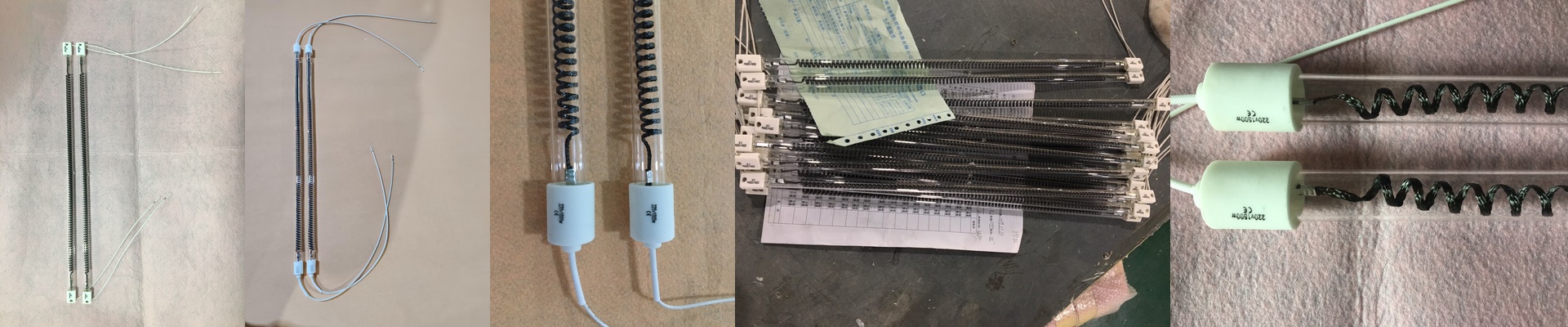
Here is the problem: brake pads aren’t all made the same. A ceramic compound and a semi-metallic blend handle heat in completely different ways. If you try to use a one-size-fits-all heater, you’re going to have a bad time. You’ll either end up with cold spots in your ceramics or you’ll accidentally scorch the surface of your semi-metallics. It’s frustrating, and it wastes material. That’s why we don’t do “generic.” We build our IR solutions around how the specific material you’re using actually absorbs heat. The trick is in the wavelength. Ceramic pads are dense. To get the heat to actually penetrate the surface, you need short-wave IR. But semi-metallics? They’ve got steel fibers and copper in them, so they react differently. We tweak the quartz tube coating and the filament temperature to shift where the heat peaks. This makes sure the heat reaches the core of the pad. You aren’t just baking the skin; you’re getting a consistent cure through the whole batch. Balancing speed and stress. We use high-density quartz envelopes because automotive lines move fast. You need a rapid ramp-up, or your whole floor slows down. Now, you can crank up the wattage to get parts moving faster, but there’s a trade-off. High-wattage lamps put more strain on your electrical panels. You also need a really tight grip on your PID control. If you overshoot the temp or push the heat density too hard, you risk cracking the pads. It’s a balancing act. Getting it onto your floor. The last thing you want is to rebuild your entire chassis just to get better heat. We designed these heaters to be drop-in replacements for the ovens you already have. We use standard industrial connectors, so wiring them up is pretty painless. We also keep a close eye on the lamp footprint so everything lines up with your current conveyor spacing. Just one thing: make sure your cooling fans can handle the ambient heat these lamps kick out when they’re running at full tilt. Once that’s sorted, you’re good to go.