

Getting Your IR Heating Walls Right (Without Burning the Paint)
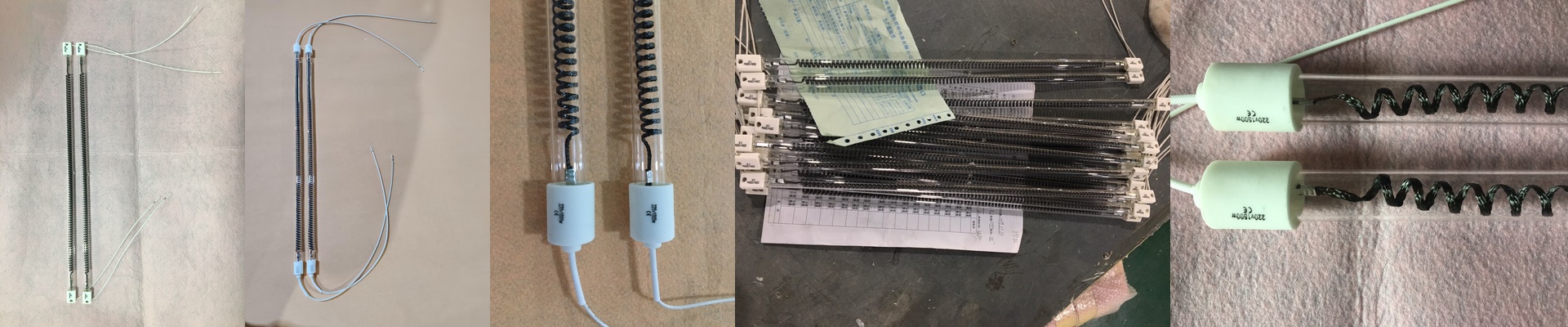
When we’re building custom heating walls for paint booths, the goal is simple: you want the whole car to heat up evenly. You can’t just throw a bunch of lamps on a wall and hope for the best. If you do, you’ll end up with hot spots and cold patches all over the body. Plus, cars come in all shapes. A low-slung sports car and a massive SUV don’t hit the heat the same way. That gap between the wall and the car changes everything. Where do the lamps actually go? We map out the lamps based on the height of the car you’re actually painting. Shortwave IR is great because it digs deep into the paint, but it loses punch quickly as you move away from the source. If the lamps are too far apart, you get these annoying “cold stripes” on the panels. To stop that, we tweak the vertical spacing for every model. For those big SUVs, we pack more lamps into the middle section. It makes up for the extra distance between the wall and the door panels. Balancing the heat Now, it’s tempting to just use the highest wattage lamps possible to speed things up. But there’s a catch. If you cram too many high-output tubes into a tight space, you’re going to scorch the paint wherever the car is closest to the wall. It’s a balancing act. We play around with the voltage and wattage per tube to find that sweet spot. We also use zoned controls. It’s a lifesaver. If you’re curing a low sedan, you can just kill the power to the bottom row. No point in baking the floor and overheating the booth for no reason. The gritty details: Wiring and Air Wiring these things is no joke. You need heavy-duty cables because when all those IR arrays kick in at once, they pull a massive amount of power. Your electrical panel needs to be ready for that initial surge, or you’re going to have a bad day. And then there’s the heat. These walls put out a ton of ambient warmth. If your exhaust system isn’t beefy enough to suck that air out, the booth becomes an oven. Your team won’t be able to stand in there, let alone work. One last tip: stick with quartz-glass tubes. They handle the thermal stress way better and won’t let you down when things get hot.