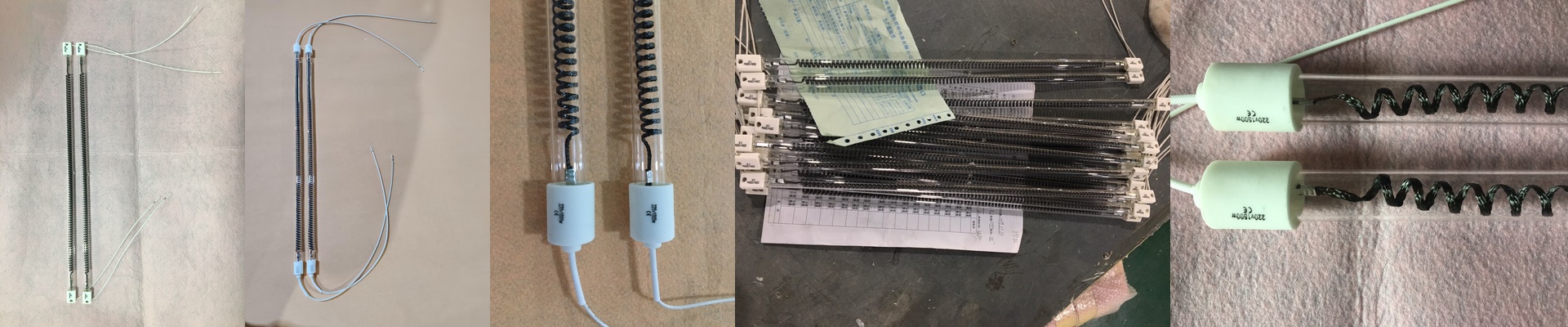


A Better Way to Cure Brake Linings: Why Quartz IR Actually Works
If you’re still using conventional convection ovens for your brake linings, you know the struggle. You’re basically heating up a massive tunnel of air and hoping for the best. It’s slow. It takes up way too much floor space. And honestly? It’s a waste of energy. We do things differently. We use shortwave quartz infrared (IR) heaters. Instead of waiting for the air to get hot, IR radiation goes straight into the coating. It doesn’t mess around with the atmosphere; it just hits the target. The secret is in the frequency. Shortwave IR doesn’t just sit on the surface like a heat lamp at a buffet. It soaks deep into the lining material. Because the heat hits almost instantly, you don’t need those endless “ramp-up” zones. I’ve seen this shrink production lines significantly. You get your floor space back and you move way more parts through the door every hour. It’s a huge relief when you stop fighting your own equipment. Getting the setup right To make this work for industrial brake pads, you need some serious power. We use high-wattage quartz tubes that pump out intense energy focused right on the coating. But you have to be careful. You’ll want a precision PID controller to keep things in check. If you let the temperature spike, you’ll scorch the resin. If it dips too low, the coating won’t bond, and you’ve just wasted a batch. It’s a balancing act. The honest truth (the trade-offs) Look, this isn’t a magic trick. Quartz heaters get incredibly hot, which means your housing needs proper insulation and venting. And a word of advice: don’t cram the tubes too close together. If there isn’t enough airflow around the lamp ends, you’re going to fry your connectors. What works best? A zoned approach. Hit it hard at the start to flash off the solvents, then dial it back to a steady heat to let the bond cure properly. At the end of the day, it’s about efficiency. You stop paying to heat a giant tunnel of empty air and start putting that power exactly where it belongs—right into the brake lining.