



Stop the Squeal: Why Consistent Curing is Everything
Ever wonder why some brake pads just won’t stop screeching? It usually comes down to how they were baked. If the surface of the friction material hardens too quickly, the core stays raw. This creates a mess of internal stress and weird density gaps. You end up with “hot spots” and those annoying vibrations every time you hit the pedal. It’s frustrating, and it’s avoidable.
Getting the Heat Where it Matters
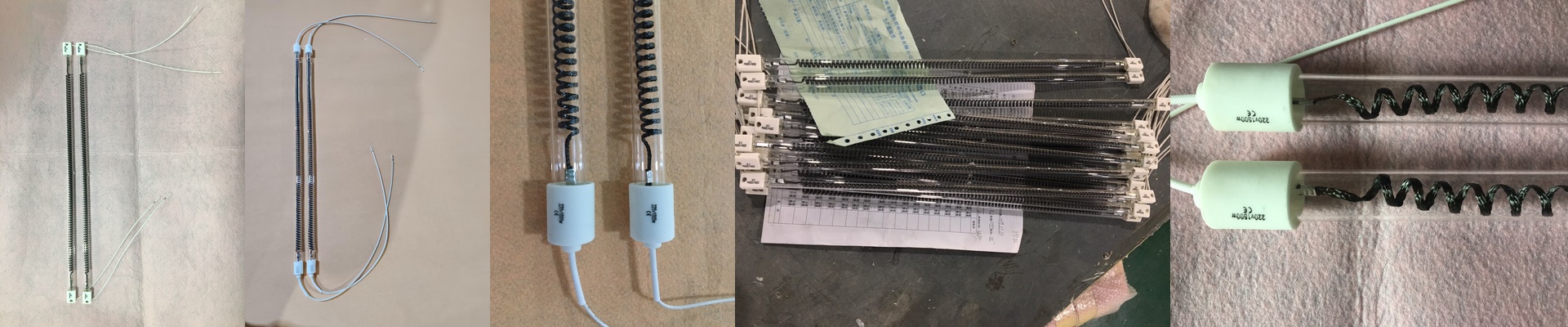
Most shops use standard convection ovens. The problem? They heat from the outside in. For heavy, high-density materials, that’s just too slow. That’s where short-wave infrared (IR) comes in. Instead of waiting for hot air to drift around, IR sends energy straight into the material. These waves soak through the organic binders and metallic fibers, curing the whole pad all at once. When the core and the surface hit the target temperature together, those structural gaps disappear. No gaps, no noise. Simple as that.
Dialing in the Heat
To make this work, you need high-wattage emitters that cover everything. We’re talking about shrinking curing times from hours down to a few minutes. It’s a massive time-saver. But you can’t just blast it. If you go too hard too fast, you’ll scorch the phenolic resins. The trick is a staged approach. Start with a high-intensity burst to get deep into the core, then dial it back to a lower-power “soak” to let the material stabilize.
The Real-World Trade-offs
Switching to IR is great because you can rip out those giant, clunky convection tunnels and reclaim your floor space. But here’s the catch: IR is line-of-sight. If your pads are stacked or something is blocking the light, you’ll get cold spots. To fix this, you’ll want a multi-angle array of emitters so every single millimeter gets hit. One last thing—these arrays pull a lot of power. Do yourself a favor and double-check your power panels before you plug everything in. You don’t want to trip the breakers the moment you start production.