



Stop wasting floor space on your brake pad coating lines
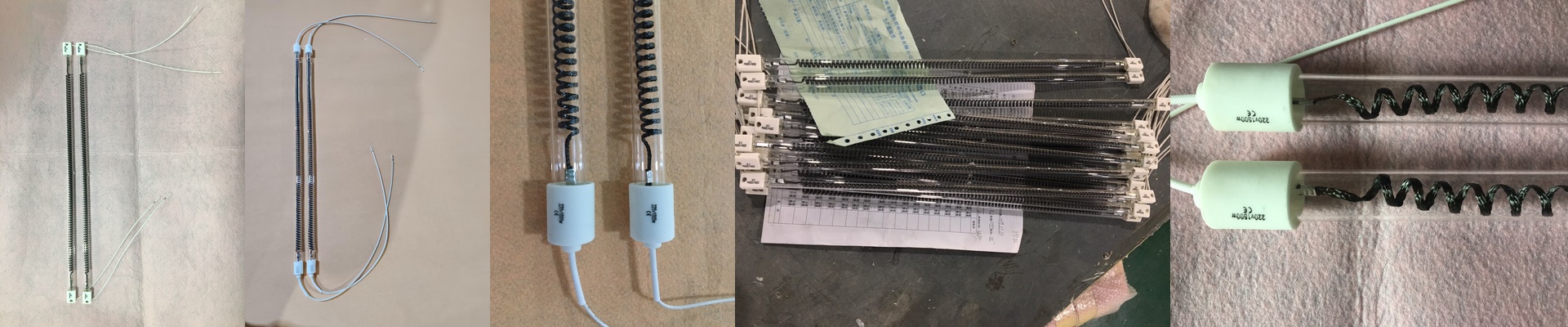
Let’s be honest: traditional convection ovens are a pain. They rely on heating up the air first, and then waiting for that air to heat your parts. It’s slow. Because it takes so long, you end up with these massive, lumbering tunnel ovens that eat up half your factory floor just to get the job done. We do things differently. We use short-wave infrared (SWIR). Instead of messing around with the air, we hit the coating directly. Why this actually works Think of it like the sun hitting your skin on a cold day. You don’t need the air to be 80 degrees to feel the warmth; the radiation just hits you. In a brake pad line, you’re trying to bake off solvents or cure resins without frying the friction material itself. SWIR emitters put the energy exactly where it needs to go. Since you aren’t waiting for heat to “soak” through the air, your heat-up time drops from minutes to seconds. That means your tunnel can be way shorter. You get your floor space back. Setting it up for speed If you want a compact line that still pushes out high volumes, you need power density. We usually lean on high-wattage quartz lamps arranged in banks. You can tweak the spacing of the lamps and the speed of your conveyor to dial in exactly how much energy hits every square inch. One heads-up, though: watch your power supply. These high-density IR arrays pull a lot of current, especially during that first surge. If you’re moving from gas to IR, you’ll probably need to beef up your electrical panel to handle the load. The real-world stuff Now, SWIR is fast, but it’s directional. It travels in a straight line. If your parts have weird shapes or deep pockets, the lamps can’t “see” those areas, and you’ll end up with cold spots. It’s not a dealbreaker. We just use reflectors or angle the lamps to make sure every nook and cranny gets hit. And for the love of everything,keep your reflectors clean. Dust and overspray from the coating process will gunk them up fast. A dirty reflector doesn’t just waste electricity—it leads to uneven curing, and that’s how you end up with a bad batch.