


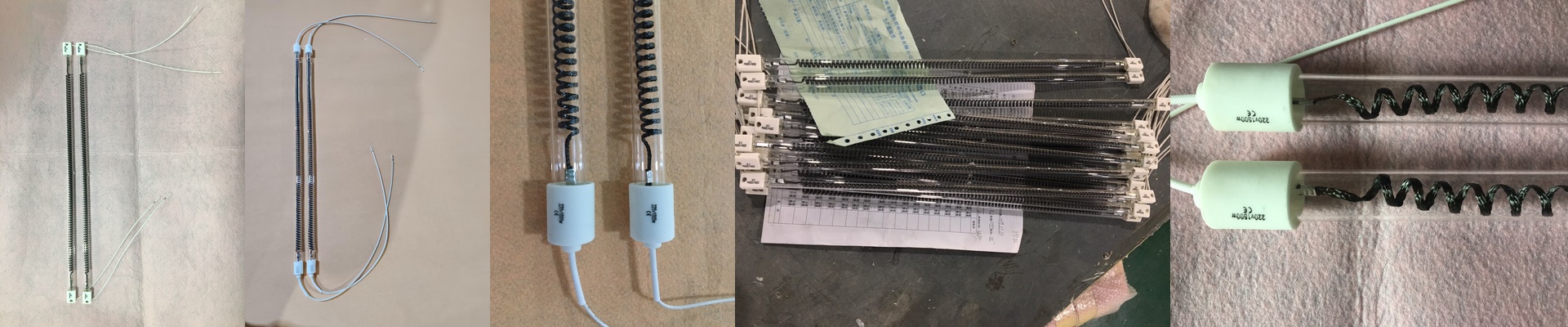


Ever wonder why brake pads squeal? Usually, it’s because they weren’t cured evenly. When the material doesn’t bake consistently all the way through, you end up with internal stress and weird density spots. That’s where the vibration comes from. And that vibration is exactly what you hear as that annoying high-pitched noise. Most shops use standard convection ovens. The problem is they heat the surface first and then just hope the heat slowly crawls toward the center. We do things differently. We use high-intensity shortwave infrared (IR) to skip the waiting game. Here is the trick: Shortwave IR doesn’t bother heating the air. Instead, it goes straight for the molecules inside the pad. It’s a deep, volumetric heat. You get a consistent temperature from the surface all the way down to the backing plate. No more “skin effect” where the outside is burnt to a crisp while the middle is still raw. But you can’t just throw any heater at this. You need serious wattage density. We build these to hit target temperatures in seconds. It’s incredibly fast. This ensures the resins lock together at the same rate throughout the whole part. Now, you have to be careful with your timing. Because the energy hits so hard, it’s easy to overshoot. If you do, you’ll burn the organic binders and ruin the batch. You need tight PID control and sensors that actually work, so you can kill the power the second the core hits the sweet spot. Of course, there’s a trade-off. Switching to high-intensity IR shrinks your curing window and speeds up your throughput, but it’s a heavy lift for your electrical panel. You’ve got to make sure your wiring can handle the current draw. Plus, keep an eye on your cooling fans. If they aren’t up to the task, the heat from the IR array will warp your housing or kill your lamps early. It’s a simple choice: you get way more speed, but you have to be a bit more disciplined with your power and thermal management.